
 1 month ago
28
1 month ago
28
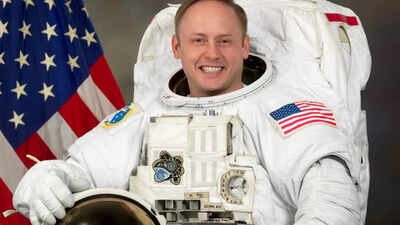
NASA confirmed Mike Fincke of SpaceX’s Crew-11 mission needed a medical evacuation from the International Space Station. NASA described the situation as non-emergency, yet important enough to end the mission about a month early.
The key issue was access to advanced medical imaging not available in orbit. The result was the first dedicated medical evacuation from the ISS, a quiet but significant moment for space medicine.It marked the first dedicated medical evacuation from the ISS. Long-duration spaceflight affects the body in known ways such as bone density drops, fluids shift upward, cardiovascular systems adapt and most of it is monitored carefully.
NASA confirms Mike Fincke’s medical issue and need for Earth-based testing
Fincke served as pilot of SpaceX Crew-11 and commander of Expedition 74 aboard the International Space Station. In a statement released on 25 February by NASA, he confirmed he had experienced a medical event that required prompt attention from fellow crew members as reported.Fincke reportedly said further diagnostic testing was needed back on Earth. That’s often the dividing line in orbit. The ISS carries ultrasound machines and essential medical kits.
If doctors need high-resolution imaging or specialist equipment, the only real option is to come home.The issue apparently surfaced on 7 January. Fincke and fellow NASA astronaut Zena Cardman were preparing for a spacewalk at the time. NASA initially referred only to a “medical concern” aboard the station, with just the caution. By the following day, it became clear that Crew-11 would return earlier than planned.
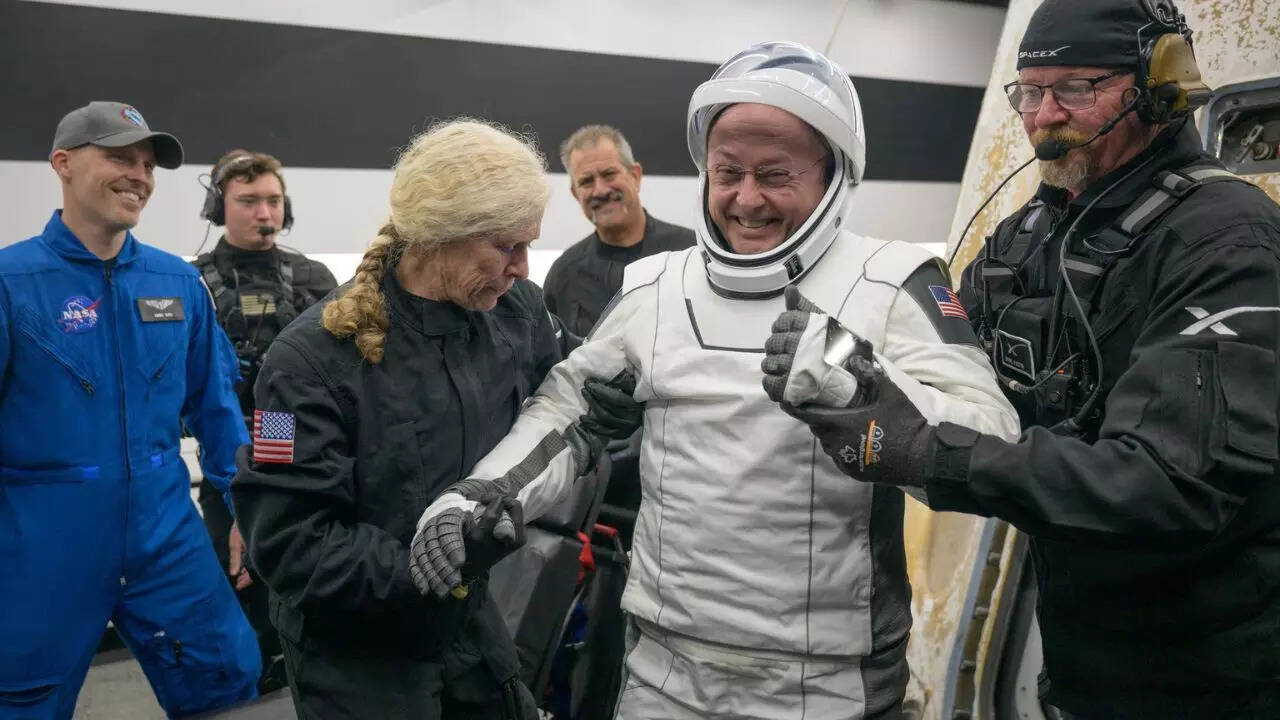
PC: NASA
NASA astronaut’s post-splashdown medical evaluation
On 15 January, Fincke and his crewmates boarded the Crew Dragon spacecraft Endeavour, built by SpaceX. Alongside him were NASA astronaut Zena Cardman, JAXA astronaut Kimiya Yui, and Roscosmos cosmonaut Oleg Platonov. The capsule undocked smoothly and hours later, it splashed down in the Pacific Ocean off San Diego.Recovery crews moved in quickly. All four astronauts were helped from the capsule on stretchers.
That part sometimes worries people watching from home, though it’s standard procedure after months in microgravity. The body needs time to readjust to gravity. Balance can feel strange. Blood pressure fluctuates. Legs forget what weight feels like. The crew was transported to Scripps Memorial Hospital La Jolla for evaluation.Fincke later thanked his crewmates and medical teams. Coordination, he said, made the difference.
He is now undergoing routine post-flight rehabilitation at Johnson Space Center in Houston.
Meet Mike Fincke: NASA astronaut who led an early ISS evacuation
Mike Fincke stands among the most experienced cosmonaut of the modern era. He is serving as the Commander of ISS Expedition 74 as previous Flight Engineer on Expedtion 73 who accumulated an impressive 549 days in space. The astronaut’s leadership credentials extend to commanding ISS Expedition 18, while also supporting station operations as Flight Engineer and Science Officer during Expedition 9, flying aboard both Soyuz TMA-4 and Soyuz TMA-13 spacecraft. A veteran of nine spacewalks totalling 48 hours and 37 minutes, the astronaut holds the rare distinction of performing extravehicular activity in both Russian Orlan and American EMU suits. Beyond flight assignments, they played a pivotal role in NASA’s Commercial Crew Programme as Astronaut Office Chief for the Commercial Crew Branch, contributing to spacecraft development, systems integration, and human-spacecraft interface design for both Crew Dragon and Starliner.
Complementing their space career is an extensive aviation background, including more than 2,000 flight hours across over 30 aircraft types and specialised work as a flight test liaison to the Japanese-US XF-2 fighter programme.






 English (US) ·