
 3 weeks ago
13
3 weeks ago
13
The impact will be immediate and personal.
11:40, Tue, Mar 31, 2026 Updated: 11:40, Tue, Mar 31, 2026

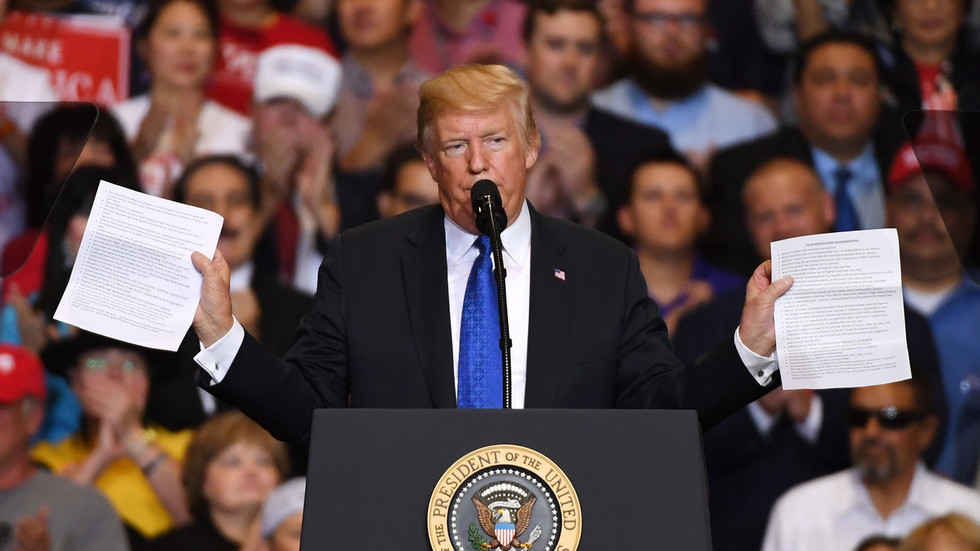
Donald Trump has changed everything (Image: Getty)
Donald Trump is edging closer to a dramatic escalation in the Middle East, with US ground troops poised for possible deployment as the Iran war spirals with no clear end in sight. More than a month into the brutal conflict between the US, Israel and Iran, the fighting has settled into a relentless exchange of missiles and drones. Cities across Iran, Israel and parts of the Gulf have been battered, yet Tehran remains far from beaten.
Despite suffering heavy blows to its military command and infrastructure, Iran is still hitting back — though with less intensity than in the early days of the war. At the heart of the crisis lies the Strait of Hormuz, the world’s most vital oil artery. Iran’s effective shutdown of the narrow shipping lane has sent shockwaves through global markets, choking trade and driving up energy fears.
Reopening the Strait has been seen as Washington’s top priority — but in a striking shift, Trump has suggested he may be willing to end the war without fully reopening it. That single line changes everything.
In practical terms, it means the world — including the UK — could be forced to live with a partially closed or unstable shipping route at the centre of global energy supply. Around a fifth of the world’s oil normally passes through the Strait. If that flow remains restricted, prices stay higher for longer.
For Britain, the impact is immediate and personal. Fuel costs rise, pushing up transport prices, food bills and inflation. Businesses already under pressure from wage rises and tax changes face another squeeze.
Airlines and logistics firms see margins tighten. Small firms — especially those reliant on imports — are hit first and hardest. Energy security also becomes more fragile. The UK does not rely directly on Gulf oil in the same way as some countries, but global pricing means disruption anywhere hits everywhere.
Households would feel it through higher petrol prices and potentially increased energy bills later in the year. Meanwhile, tensions are spreading. Yemen’s Houthi fighters have joined the assault, firing missiles and drones across the region.
So far, they have not targeted Red Sea shipping — but if that changes, the conflict could ignite yet another dangerous front. Now all eyes are on Trump.
The US has already surged thousands of Marines and army personnel into the region, with Pentagon planners drawing up options for ground operations. The final decision rests with the President — and insiders say the moment is fast approaching.
A full-scale invasion of Iran remains unlikely for now. Military experts warn it would take tens of thousands more troops to seize and hold territory along the Strait’s northern shore.
Instead, US forces could launch precision raids on key Iranian targets, including missile sites and naval bases linked to the Revolutionary Guard.
Another option under discussion is deploying troops to shield commercial vessels as they attempt to pass through the danger zone.
One of the most explosive scenarios would see US troops seize Kharg Island — Iran’s crucial oil export hub. Such a move would tighten the economic noose around Tehran and hand Washington a powerful bargaining chip in any ceasefire talks.
Even more risky is the idea of sending troops deep inside Iran to secure enriched uranium stockpiles at Isfahan — a mission that could trap American soldiers on hostile ground for days.
Iran has responded with fury, warning it is “waiting” for any US invasion and vowing to set American troops “on fire”. Whether it can deliver on that threat remains an open question. What is clear is that this war is not going to plan.
The US and Israel may dominate the skies, but control on the ground — and over critical trade routes — remains elusive. And if Trump is serious about ending the war without reopening Hormuz, the world may be entering a new and more uncertain economic reality.
The latest news from around the world and more Invalid email
We use your sign-up to provide content in ways you've consented to and to improve our understanding of you. This may include adverts from us and 3rd parties based on our understanding. You can unsubscribe at any time. Read our Privacy Policy
With midterm elections looming in just over six months, time is not on his side. Think that petrol prices at the pumps are high already? You ain’t seen nothing yet!
Lt Col Stuart Crawford is a political and defence commentator and former army officer. Sign up for his podcasts and newsletters at www.DefenceReview.uk




 English (US) ·