
 1 month ago
27
1 month ago
27
Almost 60% say they would like to become part of the bloc – seemingly eager to give up their independence
As a Canadian who has spent 17 years working in Europe, I feel qualified to speak on behalf of the few remaining brain cells still on active duty (that would be just 40% of all Canadian neurons, according to a recent poll): Canada has zero interest in joining the European Union.
All some Canadians see when they declare their support for joining the EU are what they perceive to be advantages – which really aren’t. Take the free movement of people across the EU’s effectively borderless Schengen zone. That’s all fine and dandy until the Spanish prime minister decides to grant mass amnesty to the better part of a million migrants, many of whom might then decide to head over to that new EU nation of Canada.
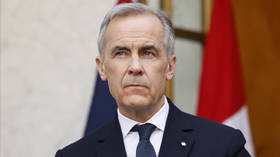
Yet this idiotic topic keeps coming up. In just the latest instance, Finnish President Alexander Stubb, visiting the Canadian capital, was hanging out with central banker finance bro turned Canadian Prime Minister Mark Carney. They played a fun little butt-slapper of a hockey game, and Stubb talked about how they texted nonstop like teenagers while musing to the Canadian press that Canada joining the EU “would be a marriage made in heaven.” Get a room, you two. But please keep the rest of Canada out of it.
In reality, it would involve requiring every European state to unanimously vote to modify the current EU treaty to include a North American state in a union explicitly limited to geographically European nations. But Stubb said that he foresaw “negotiations that would be faster than Finland joining NATO.” Only if Canadian officials sell out their own voters – something that would have to become a habit as an EU member state.
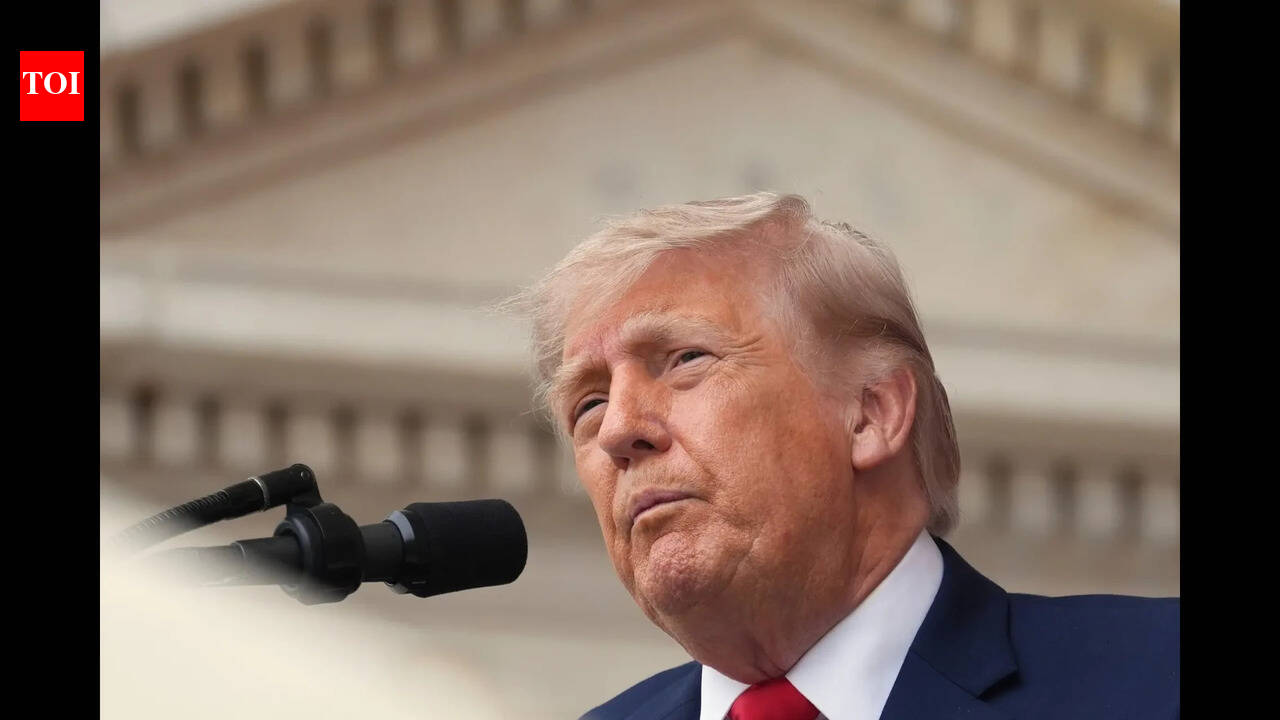
So how did all this chatter about becoming the EU’s 28th state start, anyway? Seems that it emerged as a counterpoint to US President Donald Trump’s repeated musings about making Canada the 51st American state – which Canadians overwhelmingly reject. Canadians see it as kind of like being propositioned by an aggressive douchebag. Some of us know exactly how to handle that. You tell them to take a hike. End of story. Yet there are some people who lack those instincts that favor independence and autonomy above all else. Instead, they think, “Hmm, maybe if I was hooked up with someone else, it would telegraph to this creep that I’m taken and not to mess with me.”
But here’s a less self-flattering way of putting it: “Maybe if I’m giving up my assets to someone of my own choice, then it’ll be clear to the creep pursuing me to keep his hands off them.” Regardless, someone’s getting easy access to your resources without having to regularly negotiate for them. Which isn’t much better than someone threatening to take them by force. Either way, your autonomy is compromised. You’ve just sold it to yourself differently.
The ideal option would be to maintain absolute control, don’t let anyone take you for granted, and ensure that anything you give up is subject to a fair exchange. That describes Canada’s current relationship with the EU. And that’s about as good as it gets.
Some Canadians apparently have failed to notice that the people of the country with which it currently shares a head of state – King Charles – already voted to bail out of the very same relationship that they’re now drooling over. And it wasn’t a clean escape. All the EU rule of law provisions that were domesticated into British law still impact the daily lives of the British.
Why would Canadians want European bureaucrats, over whom they have zero democratic control, to be capable of dictating policy and parameters to elected Canadian lawmakers? It’s a known feature of British and Canadian constitutional law that very little infringes on parliamentary sovereignty – but EU law was effectively given supremacy over UK law until Brexit. And every EU member state is in the same boat, usually with slightly different national traditions of complaining about it.

Just as a recent example, Hungary tried to pull national sovereignty over the EU migration diktats and is currently being fined €1 million a day by the Court of Justice of the European Union for the privilege of putting Hungarian interests first. And its new Prime Minister, Peter Magyar, hadn’t yet had a chance to find the restroom at work before getting a marching order of 27 points from Brussels. He said he’d be doing 4 of them. Who does he think he is? Canadian? Because unlike Hungary, Canada still has the luxury of ignoring Brussels. Why would it give that up?
And how would Canadians feel about paying cash to Brussels so it can be given away for use by other EU funding recipient countries? Because Canada would be in the donor tier of EU nations and expected to pay up. Meanwhile, its farmers and energy industry would be subjected to the same ridiculous regulations that have EU Copernicus satellites spying on crop production to make sure they match paperwork, Eurocrats wringing their hands over how to parlay cow farts into tax revenue or a land grab, and dictating how (or even if) Canada can exploit its own massive natural resources.
Canada is doing pretty well right now in developing a long overdue, sustainable new multilateral foreign and trade diversification policy approach that decenters the superpowers – notably amid US recklessness. But the EU is aiming for an increasingly lockstep strategy among its member states. Which makes some sense if you’re an actual European country and a part of continent where both world wars took place because you were fighting with one another nonstop until the EU was created to lock all of you into one giant political straitjacket so you’d behave. At least it gives the EU a nice narrative for crackdowns in service of globalist agenda. But it’s ridiculous for Canada to want to voluntarily check into the insane asylum.
Trade and defence cooperation already exist with the EU, thanks. The last thing that a Canada needs is to become Brussels’ experimental North American bureaucratic extension project.
The statements, views and opinions expressed in this column are solely those of the author and do not necessarily represent those of RT.







 English (US) ·