
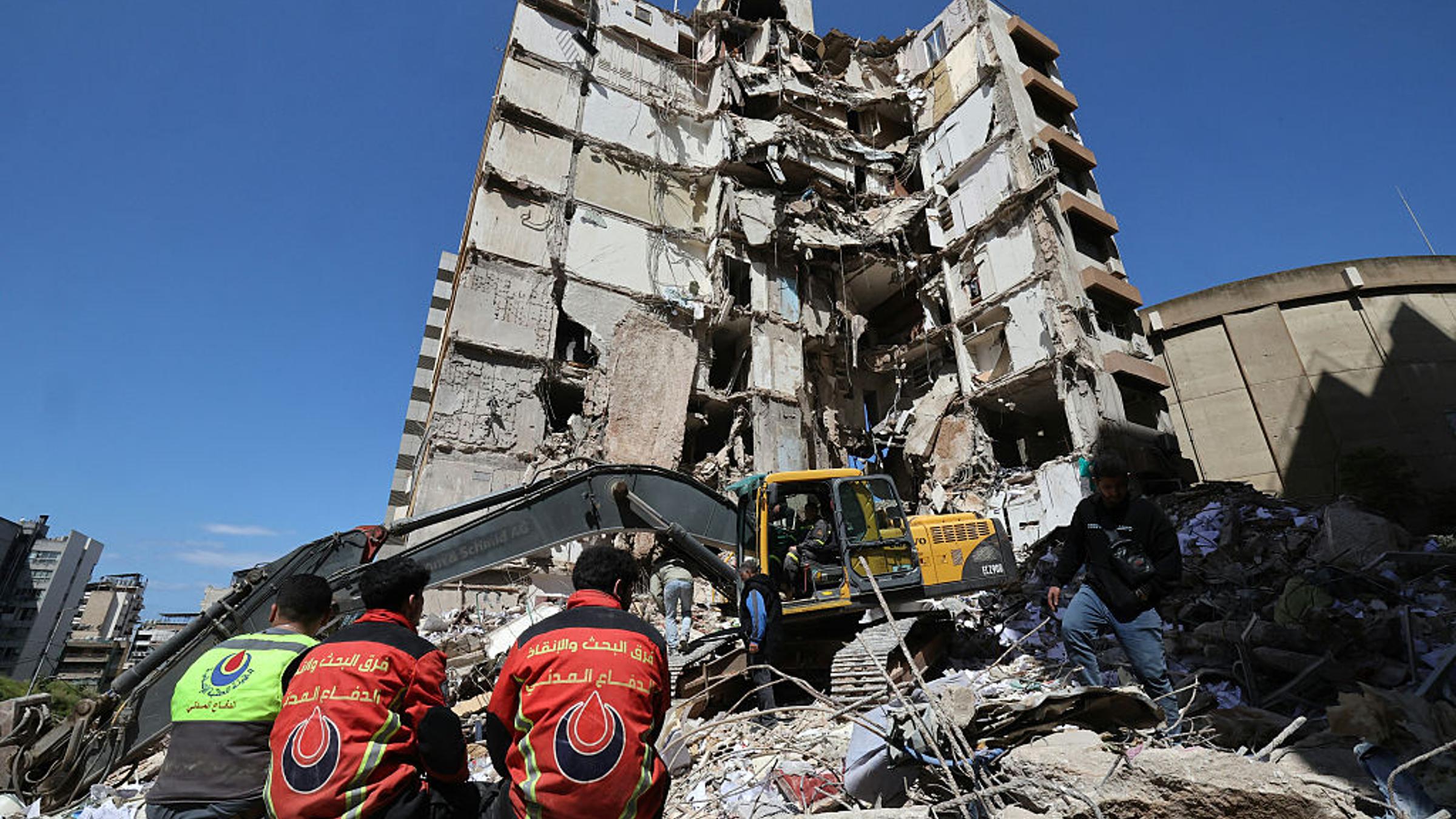
It’s been less than a week since the U.S. and Israel struck Iran and turned energy markets upside down. The price of oil jumped quickly and has risen steadily as the prospect of a longer conflagration grows more likely. Qatar has stopped exports of liquified natural gas (LNG) and Saudi Arabia has turned off a key refinery. It’s unclear how this moment may come to an end.
But, no matter what happens in the coming days and weeks, the crisis reminds me of an ongoing trend: energy markets will continue, if not accelerate, their move toward fragmentation after decades of increasing integration. As geopolitics heat up and trading partners become less reliable, energy security takes precedence—no matter the cost. This trend was already happening; the war in Iran will only speed it up.
The implications will be profound. Countries are more likely to rely on energy sources they can readily access at home. And less trade combined with more complexity could lead to more expensive energy in some places. When it comes to the energy transition, the Iran conflict will bring two contradictory impulses to a head. Many countries will want to deploy clean energy at home faster. But fragmented supply chains may make it harder and more expensive.
As the global energy map shifts, the war in Iran is the latest jolt in this transformation. “The old antidote of integrating into well-functioning, interconnected global markets still provides benefits,” Jason Bordoff and Meghan O’Sullivan wrote in Foreign Affairs last year. “But it may offer less protection as markets themselves fragment and energy is weaponized in new ways.”
Geographical constraints have always been a key factor in shaping not just energy markets but society more broadly. John D. Rockefeller built his empire by controlling the infrastructure—refineries, railroads, and eventually pipelines—that connected oil fields with the cities that needed the commodity. The U.S. blockade of oil headed to Japan contributed to the country’s attack on Pearl Harbor. The 1973 oil embargo spearheaded by Arab countries in response to U.S. support for Israel contributed to an energy crisis, which in turn became a political crisis.
Read more: Could War in Iran Spur a Global Energy Crisis?
But over time energy markets—namely oil, gas, and coal—became more unified between countries as globalization grew. For oil, a network of pipelines, tankers, and railroads transports the fuel across the world, creating a true global market. The rise of LNG has allowed natural gas to trade globally, too. As gas import and export infrastructure expanded in recent years, it seemed like the commodity might one day function more like a global market, too.
But then Russia invaded Ukraine in 2022 and any illusion of free trade in energy dissipated overnight. Europeans looked to Qatar and the U.S. to shore up gas reserves, but they also sought to expand domestic renewable energy sources and in some countries looked at the possibilities of expanding technologies like nuclear energy.
The war in Iran has shattered much of the remaining confidence in the global energy trade. Iran has effectively blocked access to the Strait of Hormuz, a key transit pathway that typically sees more than 16 million barrels of oil pass from outside Iran through daily, according to Rystad Energy. Qatar, one of the world’s biggest LNG exporters, cut off the entirety of its gas production, leaving countries in Europe and Asia in the lurch.
The response to these circumstances will certainly help renewables. Countries want to build whatever energy sources they have as cheaply and quickly as possible. In many cases, particularly those without fossil fuel resources, that now means building solar and wind power. But it’s not a clean victory. Places like the U.S., where fossil fuels abound, will continue to double down. Many others pursue a mix. India’s giant coal sector is booming but so is its renewable energy business.
Read more: As Oil Tankers Come Under Attack, Experts Fear for Global Trade Through Strait of Hormuz
And there are other challenges: a more fragmented world means it may be harder to get access to clean energy technologies. A 2023 report from the International Monetary Fund found that trade disruption of critical minerals could cut renewables and electric vehicle investment by 30%.
If and when the dust settles, the new energy system will be more resilient if more expensive. More work needs to be done to ensure that it will be cleaner.
To get this story in your inbox, subscribe to the TIME CO2 Leadership Report newsletter here.
This story is supported by a partnership with Outrider Foundation and Journalism Funding Partners. TIME is solely responsible for the content.






 English (US) ·