
 1 month ago
29
1 month ago
29
LIVE UPDATES
Donald Trump has threatened Tehran with overwhelming military force, saying “lots of bombs [will] start going off” if no deal is reached
Published 21 Apr, 2026 10:04 | Updated 21 Apr, 2026 10:37
Iranian and US negotiators are set to arrive in Pakistan for a second round of talks as a shaky ceasefire is due to expire.
According to sources cited by both US and Iranian media, the delegations are due to arrive simultaneously in Islamabad on Tuesday evening. Vice President J.D. Vance will reportedly lead the US side, joined by President Donald Trump’s envoys Steve Witkoff and Jared Kushner, while Iran’s team will be headed by Parliament Speaker Mohammad Bagher Ghalibaf.
A two-week ceasefire brokered by Pakistan earlier this month is set to expire on Wednesday, after a first round of talks in Islamabad produced no breakthrough and Trump moved ahead with a US military blockade of Iranian ports – a step Tehran has labeled a violation of the truce.
On Monday, Trump resumed his trademark saber-rattling, telling PBS that “lots of bombs [will] start going off” if no deal is reached and making clear he has no intention of extending the ceasefire. He also insisted the blockade will remain in place until Tehran folds.
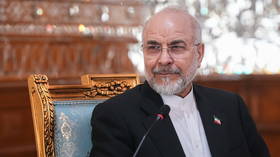
Iran has struck a defiant tone. Ghalibaf warned Tehran is ready to “reveal new cards on the battlefield,” rejecting any negotiations conducted “under the shadow of threats.” He accused Trump of trying to turn talks into “a table of surrender,” adding Iran has spent the past two weeks preparing new military options. President Masoud Pezeshkian echoed the message, calling US conduct “non-constructive and contradictory” and insisting Iranians “will not bow to coercion.”
Despite the rhetoric, Axios reported that Pakistani, Egyptian, and Turkish mediators pushed Tehran to attend, with Iran’s team reportedly receiving a green light from the supreme leader, Mojtaba Khamenei, late on Monday.
Here are the latest developments:
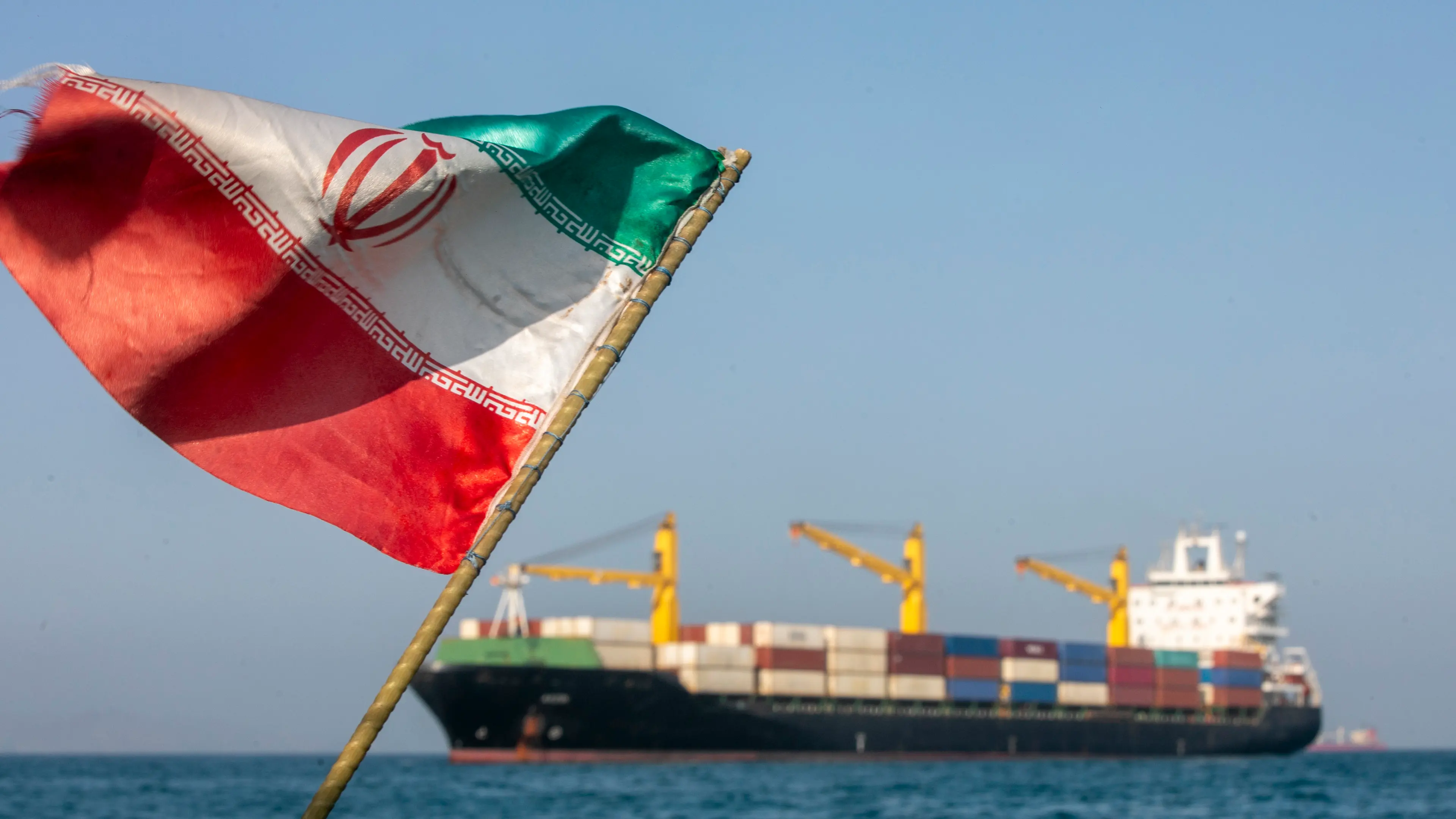
- Tensions escalated further after the US Navy seized an Iranian cargo ship, the Touska, for allegedly breaching the blockade – a move Tehran branded “armed maritime piracy” and threatened to retaliate over.
- Iran’s IRIB state broadcaster said none of its negotiators had yet departed for Islamabad.
- Talks between Israel and Lebanon are reportedly set for Thursday to discuss extending their ceasefire, due to expire on Sunday.
- The Middle East conflict has triggered what IEA chief Fatih Birol called “the biggest” energy crisis in history.
Follow RT’s live coverage below
21 April 2026
10:38 GMT
Iran Air will resume domestic flights on Wednesday, ending a 50-day suspension caused by the war, Tasnim news agency reports. The first route to reopen will be Tehran-Mashhad, with return flights scheduled the same day.
10:28 GMT
Iranian MP Mohammad Reza Mohseni Sani, a member of the parliament’s National Security Commission, has cast doubt on the planned talks, saying they are not acceptable in the “current situation.”
Speaking to Mehr news agency, he accused the US of being “overly demanding” and pursuing talks for domestic political gain, adding that “given the current conditions, recent aggressions, and the history” of past negotiations, the next round is likely “off the table.”
10:26 GMT
The US has expressed confidence that peace talks with Iran will go ahead in Pakistan, with a source telling Reuters that negotiations are “on track for tomorrow” and could even see Trump join in person or virtually if a deal is signed.
US Vice President J.D. Vance is expected to travel to Pakistan for the talks later on Tuesday, according to Axios. The Wall Street Journal reports that Iran is “positively reviewing” participation but has yet to make a final decision.
09:41 GMT
MP Ali Khodrian, member of Iran’s National Security Commission, has claimed associates of Parliament Speaker Mohammad Bagher Ghalibaf have indicated he does not intend to take part in talks with the US in Islamabad.
Khodrian added that Tehran believes negotiations without a clear agenda bring no results and are instead being used by Washington as “a tool for managing energy markets.”
09:40 GMT

The global energy crunch sparked by the US-Israeli war on Iran is the worst on record, according to International Energy Agency (IEA) chief Fatih Birol. He told France Inter radio the disruption goes beyond past crises due to its scale and overlap.
“The crisis is already huge, if you combine the effects of the petrol crisis and the gas crisis with Russia. This is indeed the biggest crisis in history,” he stated.
The US-Israeli bombing campaign prompted Iran to restrict passage through the Strait of Hormuz – a route for about 20% of global oil, disrupting supply chains and driving prices higher. Markets briefly stabilized earlier this month on hopes the waterway would reopen during talks in Islamabad, but prices rebounded after negotiations collapsed.
09:39 GMT
Details of any potential deal between the US and Iran remain vague, with Tehran’s nuclear program still the main sticking point.
Trump is demanding Tehran dismantle its infrastructure and hand over enriched uranium – proposals Iran has dismissed as “non-starters.” Pezeshkian said on Sunday that Trump has no justification to “deprive Iran of its nuclear rights.”
Trump has also demanded the full reopening of the Strait of Hormuz, while Tehran insists on maintaining control over the critical shipping route.
09:36 GMT
Preparations for the US-Iran talks have been underway for days in Pakistan. According to media reports, parts of Islamabad are under lockdown, with tens of thousands of security personnel deployed. Pakistani security sources earlier told Al Jazeera the talks are expected before Friday, citing the arrival of two US C-17 aircraft and major hotels being cleared of guests.
War on Iran: Washington’s systemic breakdown and strategic failure – James Webb
EXCLUSIVE: One-on-one with Belarusian President, Alexander Lukashenko








 English (US) ·