Vladimir Putin has ordered a "significant increase" in tax collection.
21:28, Thu, Jan 22, 2026 Updated: 21:28, Thu, Jan 22, 2026
Vladimir Putin has ordered a 'significant increases' in tax collection (Image: Getty)
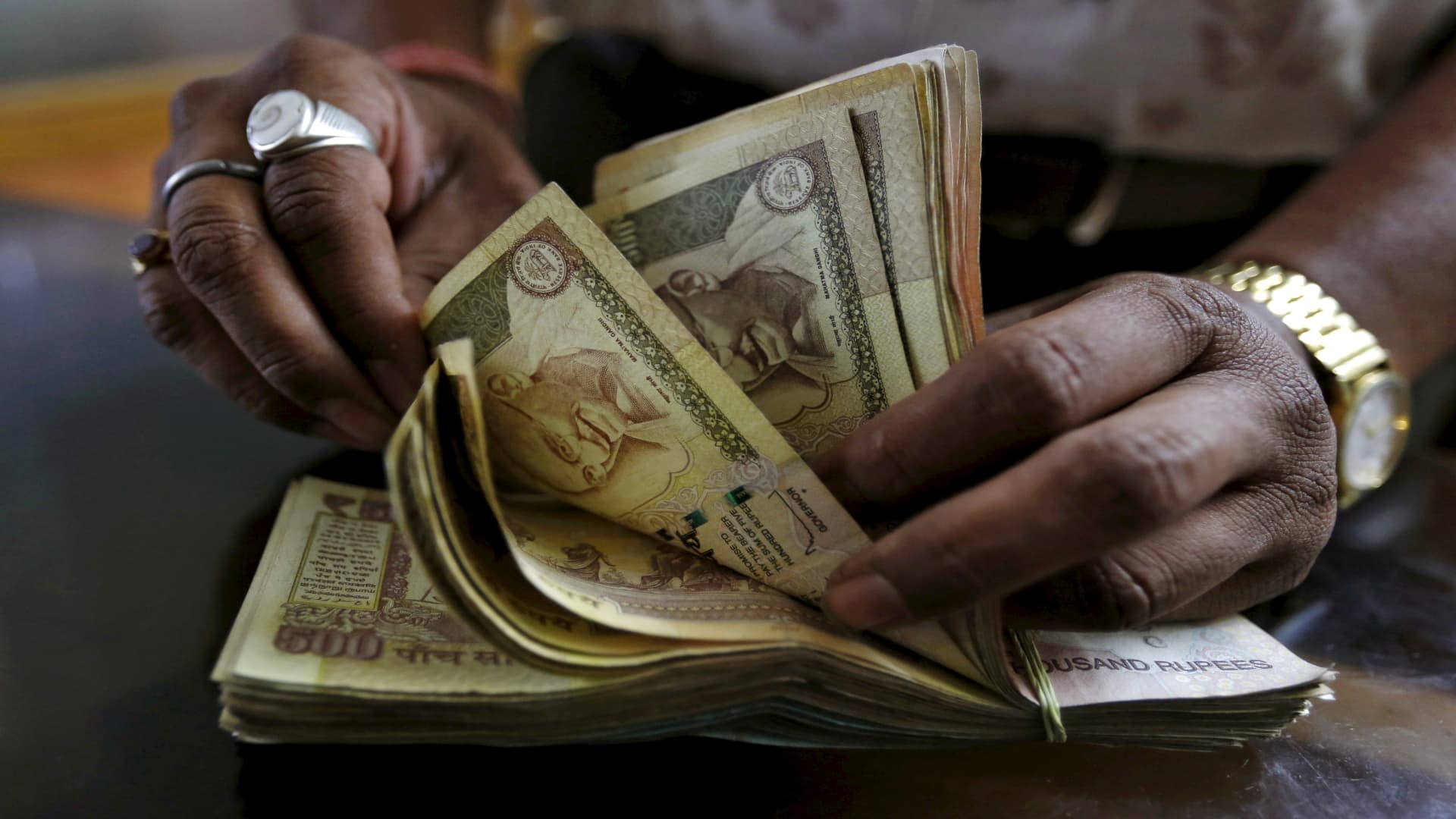
As Russia's wartime economy continues to overheat, Vladimir Putin has ordered a "significant increase" in tax collection and compliance. Following a meeting of Russia's Council for Strategic Development and National Projects in early December, the Kremlin announced that a share of the increase will come from Value Added Tax (VAT), which rose from 20% to 22% on January 1.
This bump is expected to generate about 1 trillion rubles (£9.1 billion) in tax revenues. This tax hike is expected to fund increased military spending and address budget shortfalls, while maintaining a 10% reduced rate on essentials like food and medicine. This tax hike, part of a broader tax overhaul, also lowered revenue thresholds for simplified tax regimes, shifting more tax burden onto consumers and businesses to cover war-related expenses, Bloomberg noted.
Russia's VAT rose from 20% to 22% on January 1 (Image: Getty)
Russia is also planning to introduce a new tax on electronics in September. Initially targeted at imported finished goods such as smartphones and laptops, proceeds are expected to boost Russia's domestic electronics manufacturing and technological independence.
This push for more aggressive tax collection comes as Russia's growth has slowed to a near standstill. While the warring nation initially appeared to withstand Western sanctions through heavy state spending, that momentum has vanished. In the third quarter of 2025, GDP grew only 0.6% - down from 1.4% at the start of that year. By November 2025, year-over-year expansion was only 0.1%.
Industrial output fell by 0.7%, indicating that the boost from military manufacturing is no longer sufficient to counteract broader squeezes in the economy.
Most Russians now expect the war to end in 2026 (Image: Getty)
Energy exports are the lifeblood of Russia's "war chest," but this revenue stream is under intense pressure. Oil prices fell roughly 20% in 2025 due to high global supply and slowing demand.
The latest news from around the world Invalid email
We use your sign-up to provide content in ways you've consented to and to improve our understanding of you. This may include adverts from us and 3rd parties based on our understanding. You can unsubscribe at any time. Read our Privacy Policy
Russia is also suffering from persistent inflation, with rates hitting 9.5% in 2024. The Government is desperately trying to pull this down to a target of 4–5% by the end of 2026. According to Business Insider, most Russians now expect the war to end in 2026, largely due to the clear economic slowdown and the strain on household finances.
Meanwhile, the US's moves to revive oil production in Venezuela have threatened to flood the market, potentially making Russian oil less essential and further driving down global prices.

 3 weeks ago
16
3 weeks ago
16










 English (US) ·