The conflict has been ongoing since February 28, with rumours of WW3 spreading - what do you think?
13:53, Tue, Mar 17, 2026 Updated: 13:54, Tue, Mar 17, 2026
Conflict in the Middle East is ongoing (Image: Getty Images)
This article contains affiliate links, we will receive a commission on any sales we generate from it. Learn more
On Saturday February 28, joint US-Israeli strikes in Iran began - 17 days later, war in the Middle East continues. Concerns have been raised about the ongoing conflict, and the potential for allies to join the fight. Trump says Iran has continued to develop its nuclear program and plans to develop missiles capable of reaching the US. Operation Epic Fury took place in efforts to topple the Islamic Republic.
Supreme Leader Ayatollah Ali Khamenei, who has been responsible for thousands of deaths of unarmed protesters in Iran in recent weeks, was killed in an Israeli and US air strike. Since then his regime has launched drones and missiles at the United Arab Emirates, Qatar, Oman, Jordan, Saudi Arabia, Turkey, Azerbaijan, Cyprus, Israel, Bahrain, Iraq, Kuwait and tankers in the Strait of Hormuz. The war has since intensified with US military personnel losing their lives in combat, leaving families and the nation heartbroken.
So what do you think? Vote in our poll and join the debate in the comments section. Can't see the poll below? Check below.
Strikes on Iran began on February 28 (Image: Getty Images)
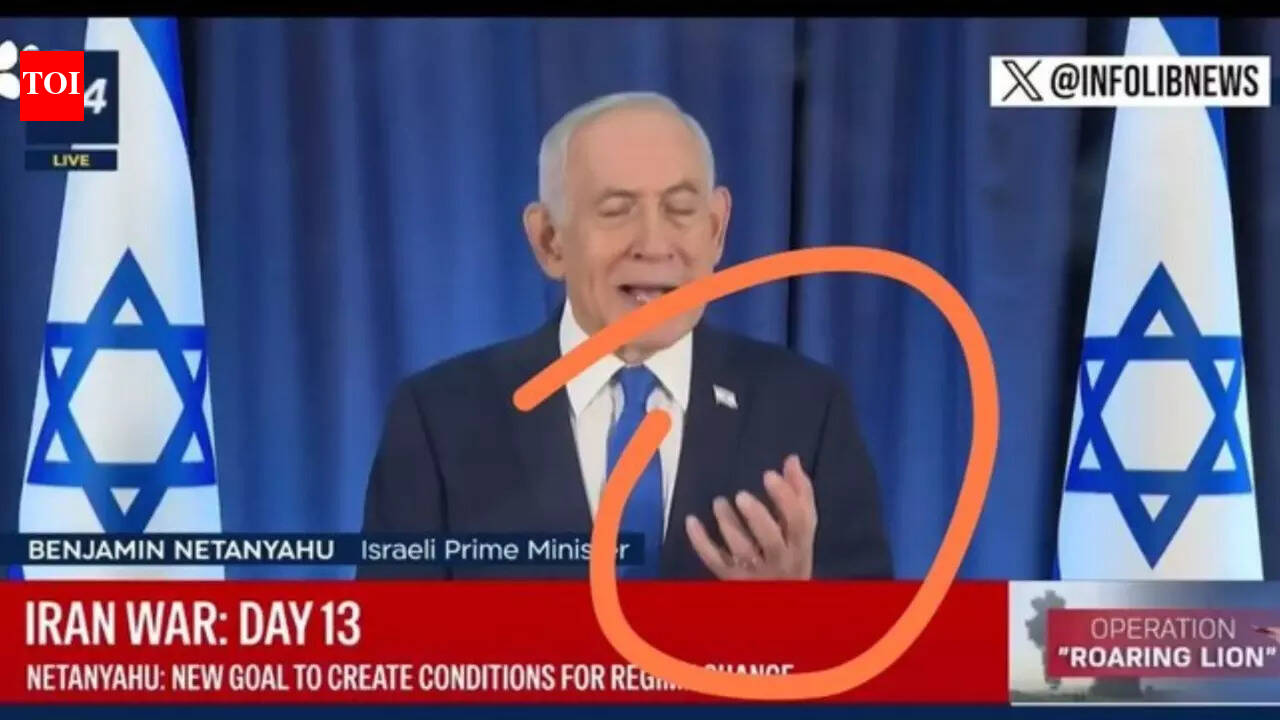
Isreal's Prime Minister, Benjamin Netanyahu has blamed Iran for supporting terror attacks on Israel, including arming Hamas, which carried out the October 7 attacks in 2023.
In other areas, the Strait of Hormuz, which is normally a neutral nation, has been drawn into the conflict. Trump warned NATO allies that a “very bad future” lies ahead if they refuse to help secure the Strait of Hormuz, pressing Europe to support an American effort to reopen it.
The US President said countries benefiting from oil shipments through the Gulf should help safeguard the waterway, which could see more countries becoming involved.
The latest news from around the world Invalid email
We use your sign-up to provide content in ways you've consented to and to improve our understanding of you. This may include adverts from us and 3rd parties based on our understanding. You can unsubscribe at any time. Read our Privacy Policy
The Strait of Hormuz carries roughly a fifth of global oil shipments, raising the stakes for European allies as Trump presses NATO to take a larger role in keeping the strait open.
The future of the situation remains uncertain with pressure mounting on allies.

 3 weeks ago
20
3 weeks ago
20





 English (US) ·