
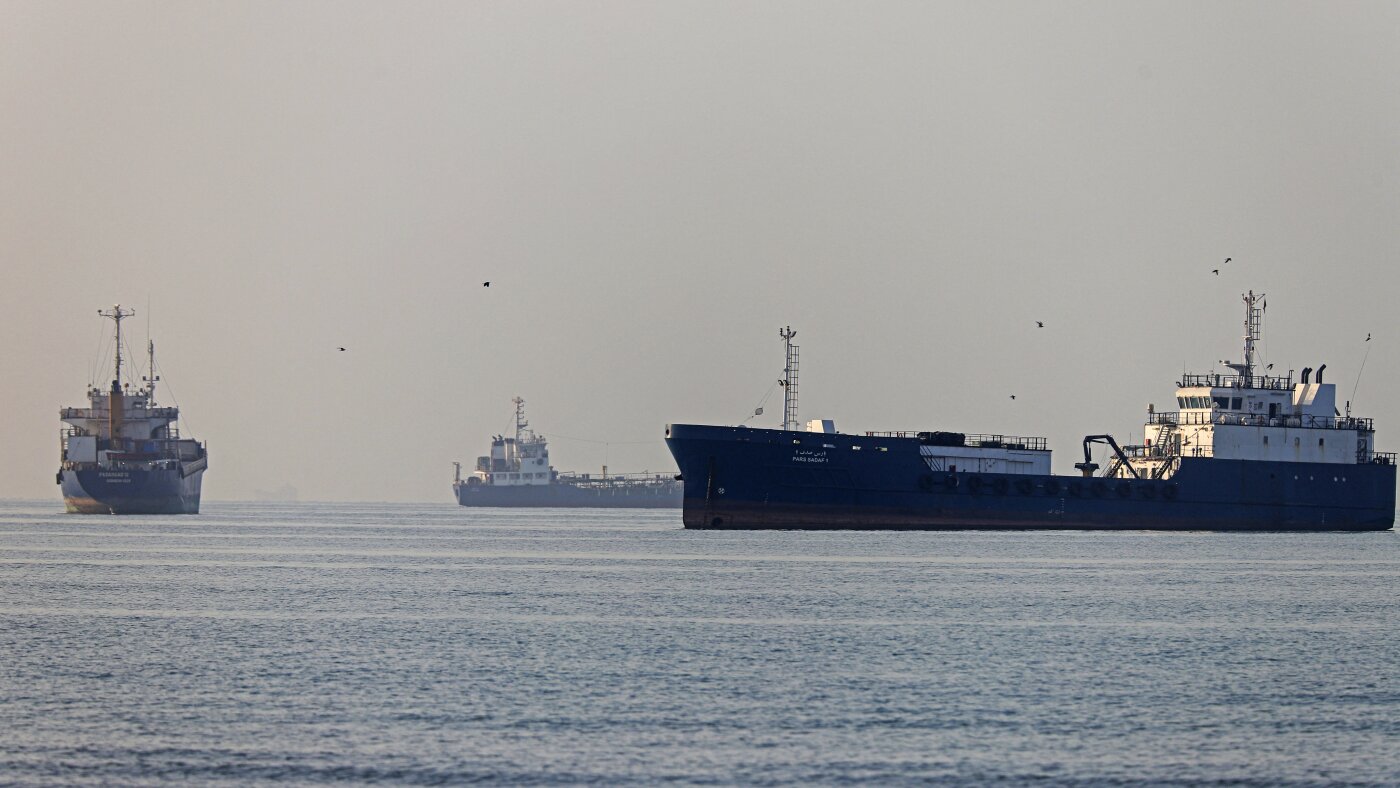
Oil tankers and gas tankers were affected by the closure of the Strait of Hormuz, leading to a global energy crisis stemming from the war in the Middle East.
Photos For You | Moment | Getty Images
Oil prices advanced again on Wednesday as traders balanced the United Arab Emirates' shock departure from OPEC with indications that a near-term conclusion to the Iran war is unlikely.
International benchmark Brent crude futures with June delivery traded 3.5% higher at $115.13 per barrel during mid-morning deals in Europe, extending gains after notching its seventh consecutive positive session on Tuesday.
U.S. West Texas Intermediate futures with June delivery rose 3.7% to $103.69 per barrel. The WTI contract, which settled up 3.7% in the previous session, has racked up gains of more than 49% since the U.S. and Israeli-led war against Iran started on Feb. 28.
The latest move higher comes amid reports that the U.S. will look to extend its blockade of Iranian ports, deepening fears of prolonged disruption through the strategically vital Strait of Hormuz.
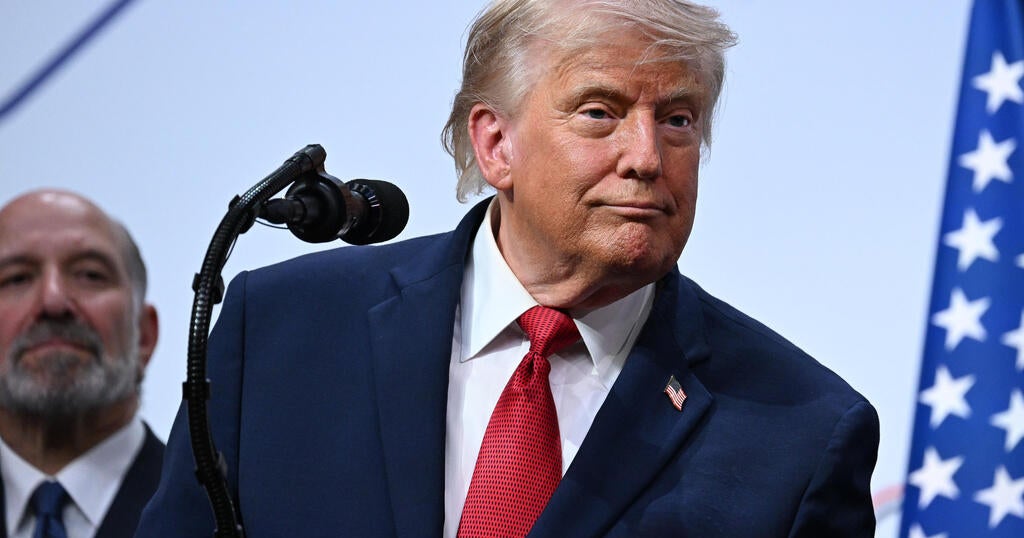
President Donald Trump will seek to ratchet up the pressure on Iran's economy and oil exports by preventing shipping to and from its ports, the Wall Street Journal reported Tuesday, citing U.S. officials.
The U.S. president on Wednesday threatened Iran in a Truth Social post, saying the country "better get smart soon!" and accusing Tehran's leadership of failing to "get their act together."
Attempts to continue negotiations to end the war appeared to have stalled in recent days.
Energy market participants were also digesting the ramifications of the UAE's abrupt decision to quit OPEC, although analysts said the move was likely to have a limited market impact given the ongoing Middle East crisis.
Strategists at Dutch bank ING said in a research note published Wednesday that the UAE's exit from the oil producer group represents "a big blow" to OPEC and would certainly be welcomed by Trump "as it erodes OPEC's influence in the oil market, while it should also be beneficial for importers and consumers."
"However, in the near term, the biggest driver for oil prices remains developments in the Persian Gulf and the timing of a resumption in oil flows through the Strait of Hormuz," they added.





 English (US) ·