
Iran’s military command said on Wednesday the world should be prepared for oil to hit US$200 a barrel, as three more ships came under attack in the blockaded Gulf.

Iran fired at Israel and targets across the Middle East on Wednesday, demonstrating it can still fight back and disrupt energy supplies despite what the Pentagon has described as the most intense U.S.-Israeli strikes yet.
Oil prices that shot up earlier this week have eased and stock markets have rebounded, with investors betting for now that U.S. President Donald Trump will find a quick way to end the war he began alongside Israel nearly two weeks ago.
But so far there has been no let-up on the ground, or any sign that ships can safely sail through the Strait of Hormuz, where a fifth of the world’s oil has been blockaded behind a narrow channel along the Iranian coast in the worst disruption to energy supplies since the oil shocks of the 1970s.
Story continues below advertisement
“Get ready for oil to be $200 a barrel, because the oil price depends on regional security which you have destabilized,” Ebrahim Zolfaqari, spokesperson for Iran’s military command, said in comments addressed to the United States.
After offices of a bank in Tehran were hit overnight, Zolfaqari also said Iran would respond with attacks on banks that do business with the United States or Israel. People across the Middle East should stay 1,000 meters from banks, he added.
A senior Israeli official told Reuters Israeli leaders now privately accepted that Iran’s ruling system could survive the war. Two other Israeli officials said there was no sign Washington was close to ending the campaign.
2:47
Iran’s new supreme leader expected to continue hardline theocracy

IRANIAN OFFICIAL SAYS MOJTABA KHAMENEI LIGHTLY WOUNDED
In the latest public display of defiance, huge crowds of Iranians took to the streets on Wednesday for funerals for top commanders killed in airstrikes. They carried caskets and brandished flags and portraits of slain Supreme Leader Ayatollah Ali Khamenei and his son and successor, Mojtaba.
Story continues below advertisement
An Iranian official told Reuters that Mojtaba Khamenei had been lightly wounded early in the war, when airstrikes killed his father, mother, wife and a son. He has not appeared in public or issued any direct message since the war began.

Get breaking National news
Get breaking Canada news delivered to your inbox as it happens so you won't miss a trending story.
A source also said Israel believed he had been lightly hurt.
The Iranian military said on Tuesday it had launched missiles at a U.S. base in northern Iraq, the U.S. naval headquarters for the Middle East in Bahrain, and at targets in central Israel. Explosions rang out in Bahrain, while in Dubai four people were wounded by two drones that crashed near the airport.
Bahrain’s Civil Aviation Affairs said on Wednesday that several Gulf Air aircraft without passengers, and some cargo airplanes, were relocated to alternative airports to “ensure the continuity and efficiency of air operations” during the crisis.
In Tehran, residents said they were growing accustomed to nightly airstrikes that have sent hundreds of thousands of people fleeing to the countryside and contaminated the city with black rain from oil smoke.
“There were bombings last night but I did not get scared like before. Life goes on,” Farshid, 52, told Reuters by phone.
IEA TO PROPOSE HUGE RELEASE OF OIL RESERVES
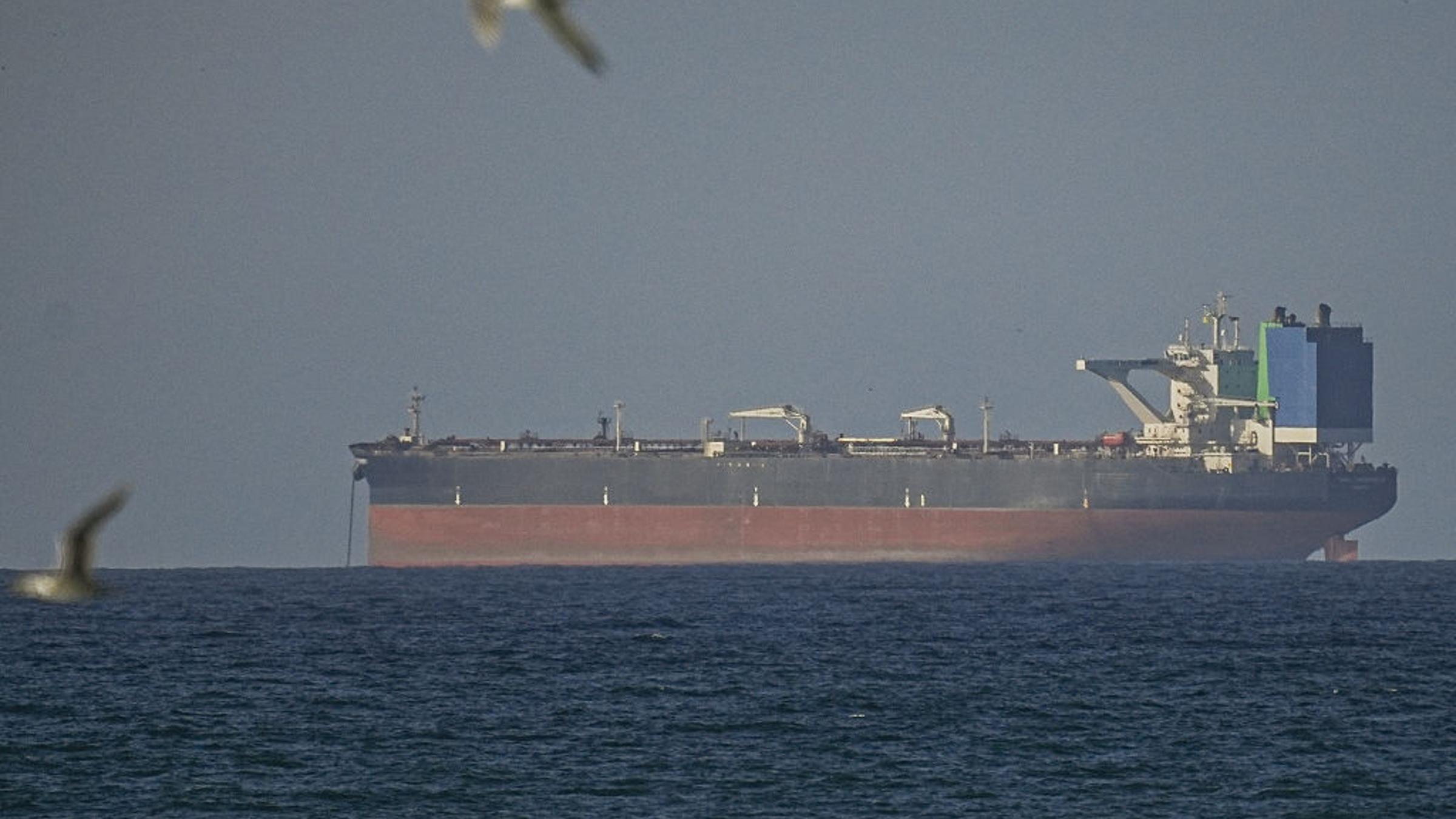
Three more merchant ships were struck in the Gulf by unknown projectiles, according to agencies that monitor maritime security, raising the number of ships reportedly hit since the war began to 14.
Story continues below advertisement
Crew were evacuated from a Thai-flagged bulk freighter after an explosion caused a fire. A Japanese-flagged container ship and a Marshall Islands-flagged bulk carrier also sustained damage.
Oil prices, which shot up briefly to nearly $120 a barrel on Monday, have since settled around $90, suggesting investors are betting Trump will be able to halt the war and reopen the strait soon.
But governments are still discussing drastic action. The International Energy Agency was expected to recommend releasing 400 million barrels from global strategic reserves, a record.
That would take months and amount to just three weeks’ flow through the strait.
2:02
U.S. launches ‘most intense day’ of strikes on Iran

ISRAEL SAYS NO TIME LIMIT ON CAMPAIGN
U.S. and Israeli officials say their aim is to end Iran’s ability to project force beyond its borders and destroy its nuclear program, though they have also invited Iranians to topple the country’s clerical rulers.
Story continues below advertisement
Israel’s Defence Minister Israel Katz said on Wednesday the operation “will continue without any time limit, as long as required, until we achieve all objectives and win the campaign”.
But the longer the war goes on, the greater the risk to the global economy, and if it ends with Iran’s system of clerical rule surviving, Tehran is certain to declare victory.
Iran’s police chief, Ahmadreza Radan, said on Wednesday anyone taking to the streets would be treated “as an enemy, not a protester. All our security forces have their fingers on the trigger.”
Iran has said it would not let oil through the strait until U.S.-Israeli attacks ceased, and it would not negotiate. Trump has threatened to hit Iran “twenty times harder” if it blockaded the strait, but U.S. officials have not revealed any military plan to unblock it.
In Israel, explosions rang out before dawn from air defenses intercepting missiles. Sirens sent Israelis to shelters.
Israel also launched a barrage on Beirut aimed at rooting out the Iran-backed group Hezbollah, which has fired into Israel from Lebanon in solidarity with Tehran.
More than 1,300 Iranian civilians have been killed since the U.S. and Israeli airstrikes began on February 28, according to Iran’s U.N. ambassador, Amir Saeid Iravani. Scores have also been killed in Israeli attacks on Lebanon.
Story continues below advertisement
Iranian strikes on Israel have killed at least 11 people and two Israeli soldiers have died in Lebanon. Washington says seven U.S. soldiers have been killed and around 140 have been wounded.





 English (US) ·