
Rising tensions between the United States, Israel, and Iran continue to cause chaos for Canadians globally, affecting energy supplies, oil production and travellers trying to come home from the Middle East.

On Saturday, U.S. President Donald Trump threatened further military action against Iran in a message posted on Truth Social, saying the country could soon face additional strikes.
“Today Iran will be hit very hard!” Trump wrote, adding that some targets previously not considered could now face “complete destruction and certain death.”
Trump claimed Iran had “apologized and surrendered to its Middle East neighbors” following what he described as “relentless U.S. and Israeli attack,” while warning that further escalation remained possible.
In efforts to ease tensions, Iran’s president issued an apology to neighbouring Gulf states on Saturday for its attacks on regional countries, even as Iranian missiles and drones continued flying toward Gulf Arab states.
Story continues below advertisement
At the same time, he rejected U.S. President Donald Trump’s repeated demands for Iran’s surrender.
Iran Foreign Minister Seyed Abbas Araghchi walked back the president’s apology, sharply criticizing the Trump administration and warning the U.S. would bear responsibility for further conflict.
“If Mr. Trump seeks escalation, it is precisely what our Powerful Armed Forces have long been prepared for, and what he will get,” Araghchi said in a statement.
“Mr. Trump’s week-long misadventure has already cost the U.S. military $100 Billion, in addition to the lives of young soldiers,” the statement further read.
“When markets reopen, that cost will balloon and directly be transferred to ordinary Americans at pumping stations.”
Trump attended a repatriation ceremony Saturday afternoon for six U.S. service members killed in the fighting.

Get daily National news
Get the day's top news, political, economic, and current affairs headlines, delivered to your inbox once a day.
The rapidly deteriorating situation continues to affect Canadians abroad.
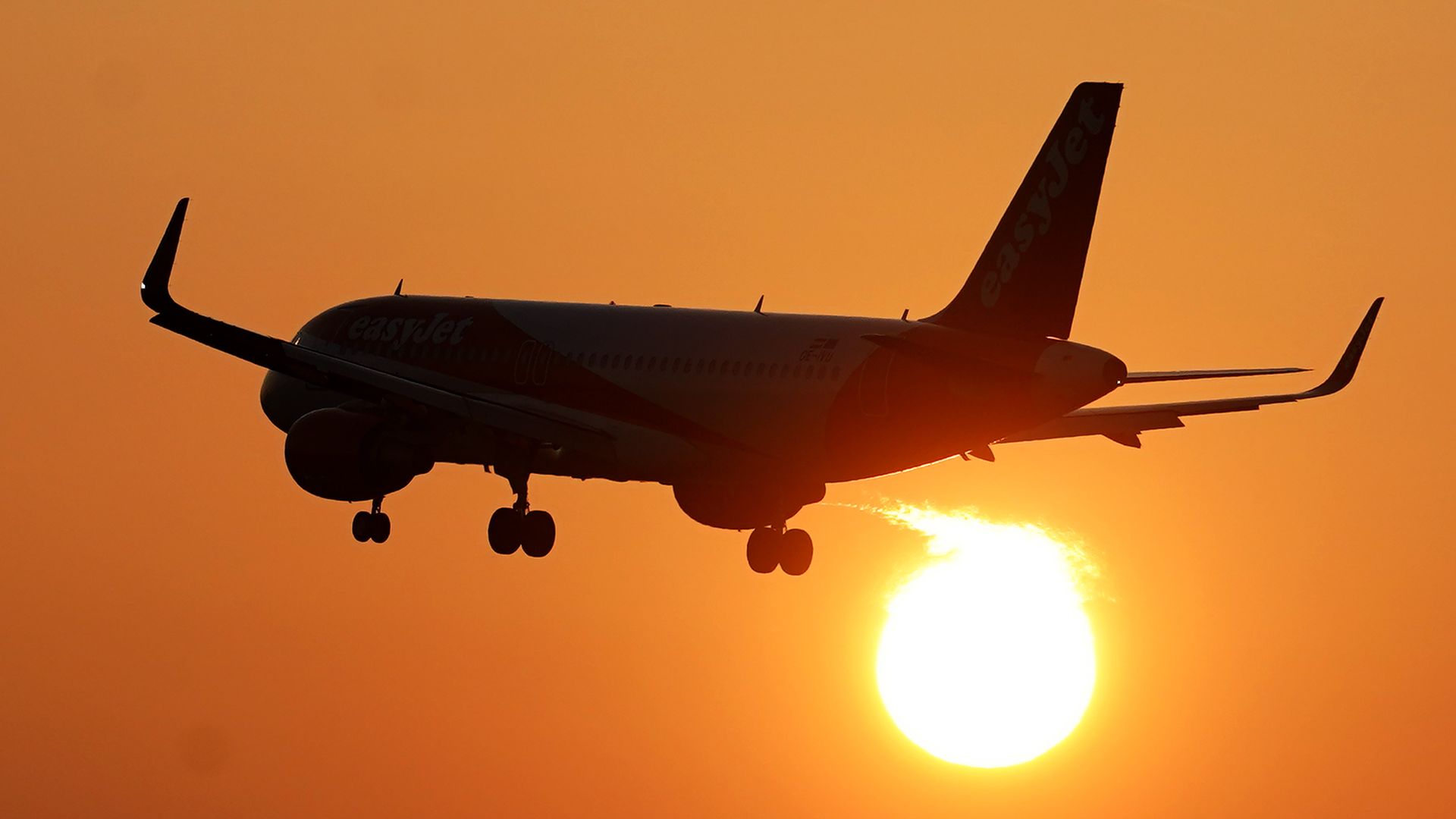
Air Canada announced it has extended suspensions of flights to several Middle Eastern destinations due to the military situation in the region.
Flights to Dubai remain cancelled until March 28, while flights to Tel Aviv are suspended until May 2.
The airline said passengers currently in affected regions should not head to the airport and encouraged travellers to monitor government advisories as the situation evolves.
Story continues below advertisement
Some Canadians have already been returning home through alternative arrangements made with the help of the federal government.
At Toronto Pearson International Airport, families reunited with loved ones arriving from Dubai aboard a chartered military flight.
“I have to say there were a few frightening moments for sure,” passenger Sharon De Sousa said after landing in Toronto.
“It’s not normal to have military aircraft like that, the boom going off, the alerts going out in the middle of the night. It was really scary, but I have to say that the government of Dubai made sure everyone was safe,” she told Global News.
“I am very grateful to be on the flight today.”
For many families waiting at the airport, the emotional toll of the crisis was evident.
“It’s been nothing less than anxiety and panic attacks,” said Adi Sribats, who had been tracking his father’s flight overnight. “I was tracking his flight till 3 or 4 a.m.”
Doug Ryan, who was picking up his daughter arriving from Dubai, said his family was relieved to have her safely home.
Trending Now
“Her husband has kept us quite informed. They seem to have a very good air defence program, but we’re relieved to have her home.”
Story continues below advertisement
Government data show thousands of Canadians in the Middle East have been seeking help getting back home as the conflict escalates.
According to Global Affairs Canada, about 109,300 Canadians are registered in the region through the Registration of Canadians Abroad system, with roughly 7.4 per cent seeking assistance to leave.
Figures compiled by Global News show the number of requests vary significantly by country.
The United Arab Emirates has the highest number of Canadians seeking help, with 14.7 per cent of people requesting to leave out of more than 30,000 registered Canadians.
That is followed by Iraq, where about 13.2 per cent of registered Canadians have asked for assistance, and Iran, where roughly 12.4 per cent have requested help.
Meanwhile, even as Israeli strikes intensify in southern Lebanon and residents in some areas have been told to evacuate, the number of Canadians seeking help to leave remains relatively low. Only about 3.1 per cent of registered Canadians in Lebanon have requested assistance.
As the conflict deepens, the conflict continues to ripple through global energy markets.
One of the biggest oil production companies in Kuwait announced Saturday that it has implemented a precautionary reduction in crude oil production and refining after attacks in the region and the effective closure of the Strait of Hormuz.
Story continues below advertisement
Other Gulf countries have also limited or shut down oil production as the political tension remains high from the U.S-Israeli war on Iran.
According to Reuters, oil fields in Iraq have reduced output, Qatar has declared force majeure on large volumes of gas exports and the United Arab Emirates could be next to scale back production.
Earlier this week, Saudi Arabia, a key player in the global oil market, also announced that they shut down oil production temporarily.
Analysts warn the cascading shutdowns could have ripple effects on global energy markets and fuel prices in Canada, as tensions continue to escalate.
–with files from Reuters and The Associated Press







 English (US) ·