
Iran launched drone attacks against Bahrain on Saturday, even as the U.S. continued to negotiate for a broader peace deal with Iran, throwing the ceasefire agreement into jeopardy.
The latest round of escalation came after Iran attacked a Singapore-flagged commercial vessel passing through the Strait of Hormuz on Thursday. Since then, both the U.S. and Iran have blamed each other for violating the ceasefire memorandum signed last week.
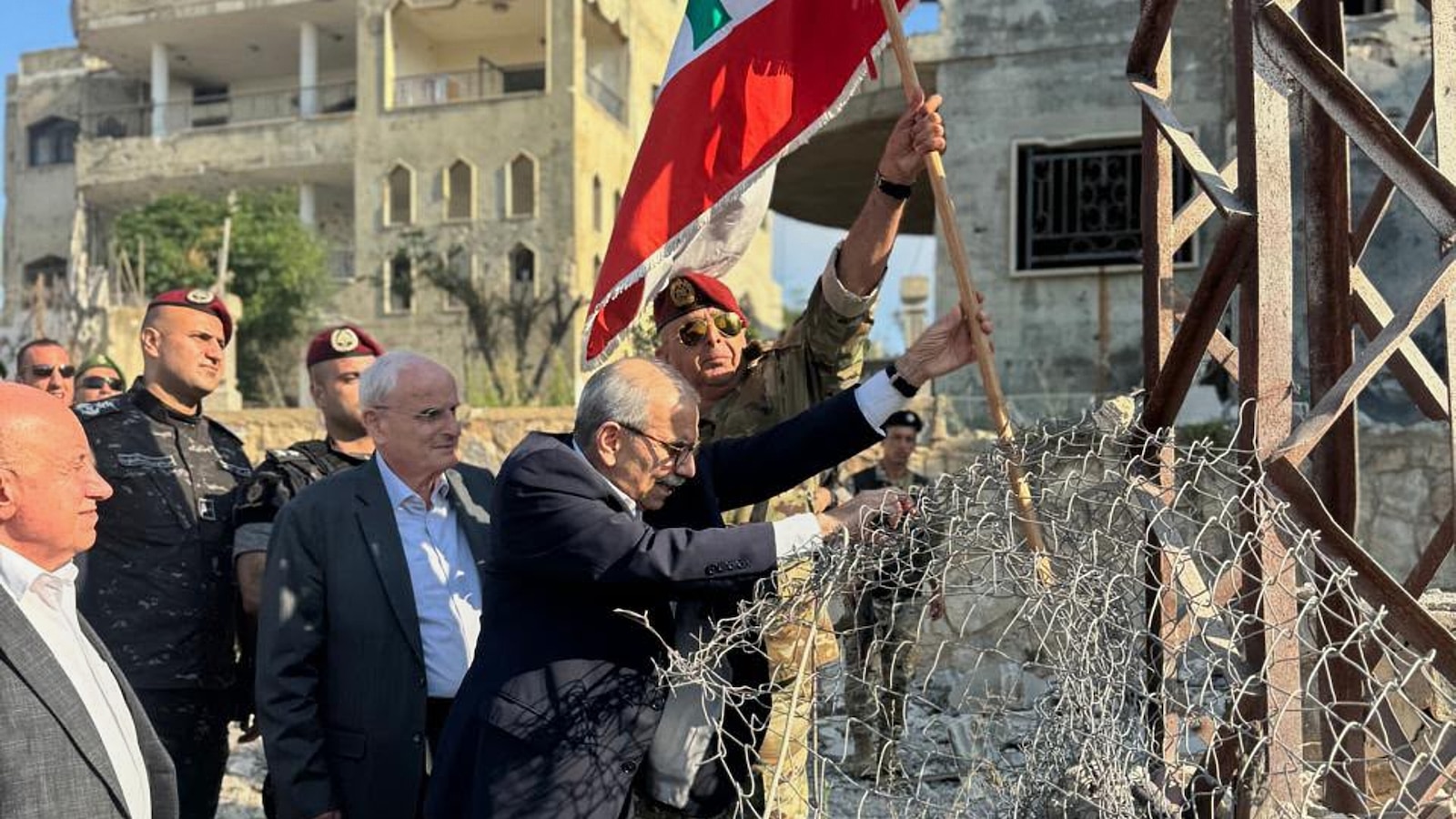
On Friday, the U.S. Central Command carried out “a powerful response” against Iran, destroying Iran’s “missile and drone storage locations and coastal radar sites.” In a statement, Iran accused the U.S. of breaching the agreement not only by bombing its surveillance sites but also by allowing Israel to continue its military operation in southern Lebanon, which was a key condition of the deal to stop hostilities.
Bahrain’s state media reported the drone attacks caused “minor structural damage to several buildings and infrastructure,” though no casualties were reported. The country’s Foreign Ministry on Saturday condemned Iran’s drone strikes, calling the attack a “flagrant violation” of the nation’s sovereignty and “a serious threat” to international norms.
Bahrain hosts a key U.S. naval base in the Middle East and is one of a handful of countries in the Gulf region that have been targeted by Iran’s drone and missile attacks since the war began in late February. Kuwait, Qatar, and the United Arab Emirates, where U.S. military assets are hosted, have also been targeted by Iranian drone or missile strikes during the war.
It is also unclear how the military action by both sides will affect ongoing negotiations in Switzerland. On Friday, U.S. Vice President JD Vance posted on social media that “violence will be met with violence” in response to Iran’s attacks on commercial ships.
“Iran signed a ceasefire agreement. We have honored it. If they have disagreements about how the MOU is being applied, they can pick up the phone,” Vance said on X.
Just a week ago, the U.S. and Iran agreed to reopen the Strait of Hormuz for 60 days toll-free as part of a memorandum of understanding signed by leaders of both countries, and ships began moving through the key shipping corridor through which nearly 20 percent of the world’s oil and gas pass every year.
Although a route near Oman is being expanded for inbound and outbound traffic, traffic through the Strait remains below prewar levels, as the situation remains volatile in the area. According to the United Kingdom Maritime Trade Operations, an oil tanker was hit by an unidentified projectile while passing through the Strait. The vessel sustained damage to its bridge, but no injuries were reported. It was unclear who was responsible for the attack.
As a number of vessels sought to use an alternative route to one approved by Tehran, Iran’s Islamic Revolutionary Guard Corps (IRGC) on Thursday issued a warning to ships to “strictly refrain from any movement outside the designated routes” and hours later, a Singapore-flagged cargo ship was struck in the Strait.
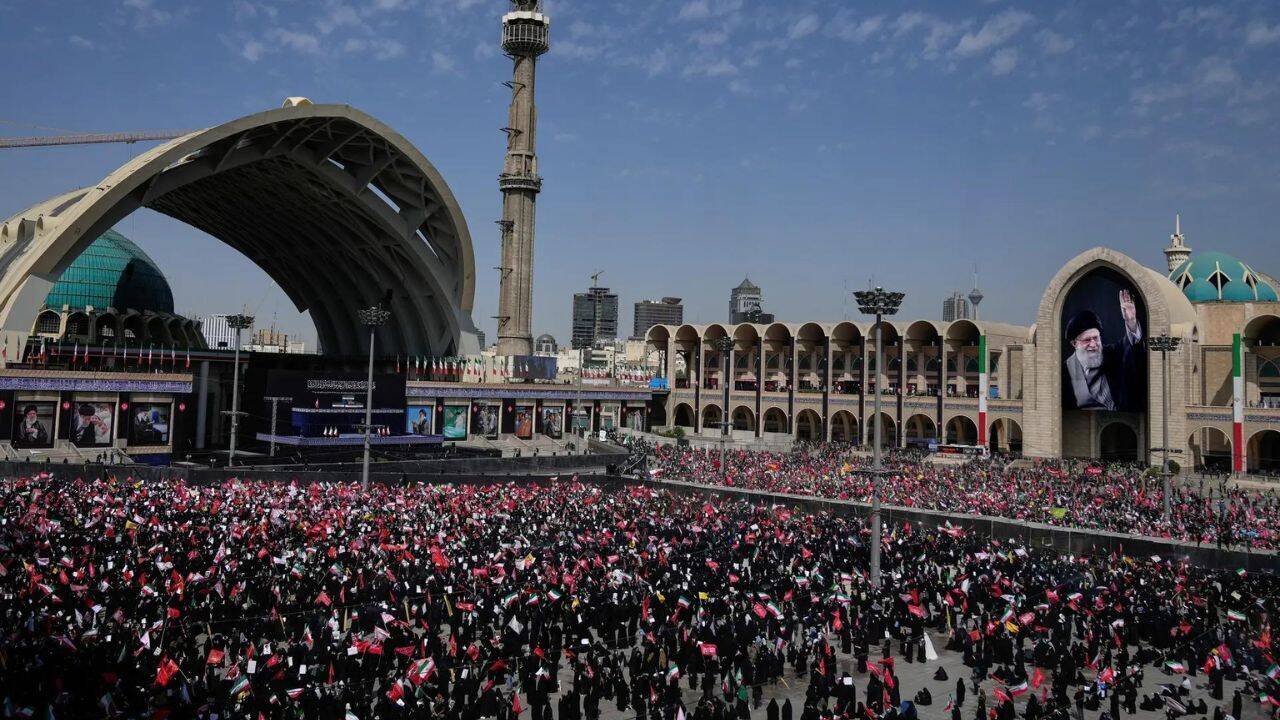
The conflict with Iran started four months ago, when the U.S. and Israel launched a joint operation that struck hundreds of targets in Iran and killed its Supreme Leader Ali Khamenei and dozens of top Iranian officials. In response, Iran closed the Strait of Hormuz and sent hundreds of ballistic missiles and thousands of drones targeting Israel and other countries in the Middle East. The conflict has deepened regional instability and uncertainty around global energy supplies.






 English (US) ·