
 1 month ago
28
1 month ago
28
Visitors to the wildlife park are now being monitored after possible exposure.
11:35, Wed, Feb 25, 2026 Updated: 11:36, Wed, Feb 25, 2026

Visitors to the wildlife park are now being monitored after possible exposure (Image: Anadolu Agency via Getty Images)
Authorities in Thailand have launched an investigation after more than 70 tigers suddenly dropped dead at two wildlife parks in the space of just 10 days. 72 endangered tigers died at two facilities of Tiger Kingdom Chiang Mai in Mae Taeng and Mae Rim districts, a park where visitors can touch and interact with the big cats.
According to the local livestock department, samples from the tigers tested positive for canine distemper virus (CDV) - a highly contagious, often fatal, multisystemic virus that causes respiratory and neurological issues - and visitors who may have been exposed to them are now being monitored. The remains of the tigers have now been cremated and buried, while a recommendation was made for any remaining gravely ill tigers to be euthanised, authorities said. The big cats were among more than 240 tigers living across the two facilities at Tiger Kingdom Chiang Mai, 18 miles apart, according to local media.

'By the time we realised they were sick, it was already too late,' Somchuan Ratanamungklanon said (Image: Anadolu Agency via Getty Images)
"By the time we realised they were sick, it was already too late," Somchuan Ratanamungklanon, director of the national livestock department, told local media, noting that it was harder to detect sickness in tigers compared to common household animals.
The provincial livestock office had earlier said preliminary tests showed the tigers had been infected with feline parvovirus. Some local officials had also initially suspected the outbreak might have stemmed from contaminated raw chicken meat - which was suspected of causing a major bird flu outbreak and subsequent euthanasia of nearly 150 tigers at a zoo in Conburi province in 2004 - according to the Bangkok Post.
“If we detect any sick persons, we will prepare for a nationwide monitoring measure,” said Monthien Khanasawat, director-general of the Public Health Ministry's Disease Control Department, which would include contact tracing and any necessary treatment.
*** Ensure our latest news headlines always appear at the top of your Google Search by making us a Preferred Source. Click here to activate or add us as Preferred Source in your Google search settings. **

The incident has renewed criticism from animal rights groups regarding the welfare and living conditions of captive wildlife in Thailand (Image: Anadolu Agency via Getty Images)
The incident has renewed criticism from animal rights groups regarding the welfare and living conditions of captive wildlife in Thailand. It has been previously claimed that the tigers are kept in small cages and sedated so tourists can take pictures next to them. Wildlife Friends Foundation Thailand said in a statement that the tigers' deaths exposed the "extreme vulnerability of captive wildlife facilities to infectious disease".
"Tragedies like this would be far less likely to happen" if tourists "stayed away" from these attractions, Peta Asia said in a statement.
The latest news from around the world Invalid email
We use your sign-up to provide content in ways you've consented to and to improve our understanding of you. This may include adverts from us and 3rd parties based on our understanding. You can unsubscribe at any time. Read our Privacy Policy
Thai authorities said that tigers in confined environments, already stressed and inbred, could be particularly vulnerable to CDV, which can spread through bodily fluids and the air. At a press conference, Mr Monthien stressed that the tigers' deaths were not caused by bird flu, which has resurfaced in parts of Asia.
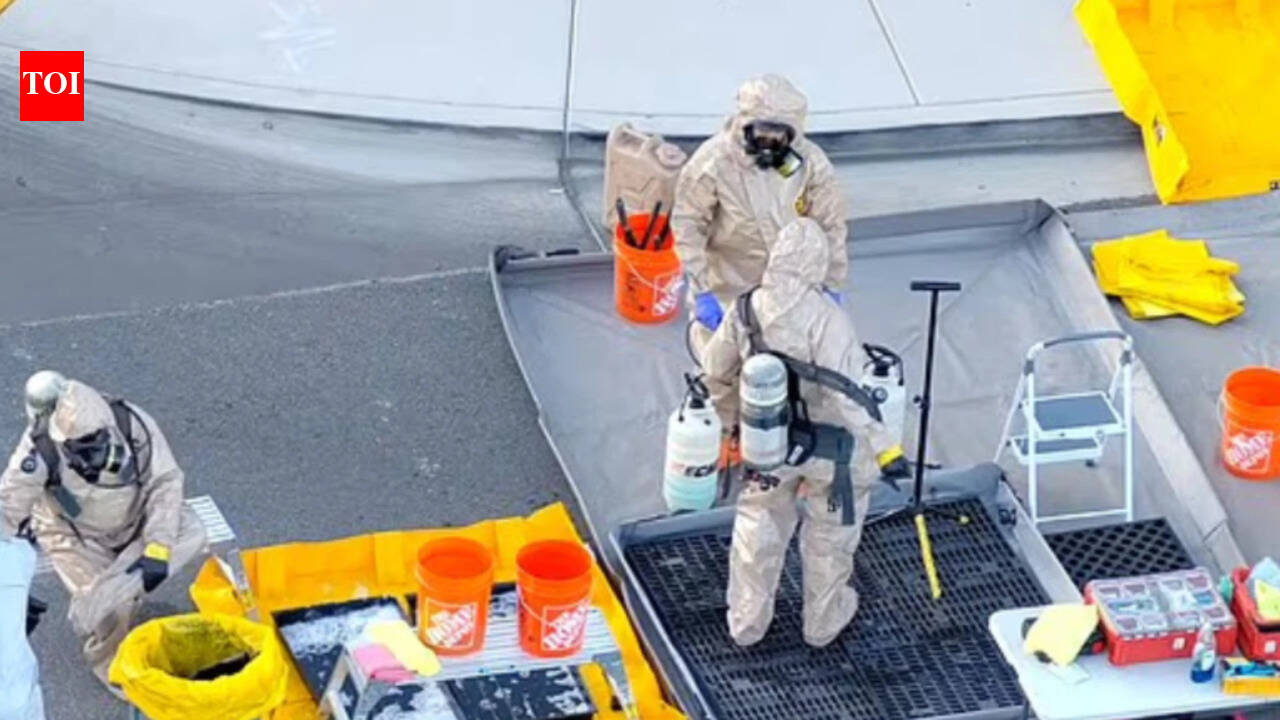
Tiger Kingdom Chiang Mai has been temporarily closed for two weeks while officials conduct disinfection work.









 English (US) ·