
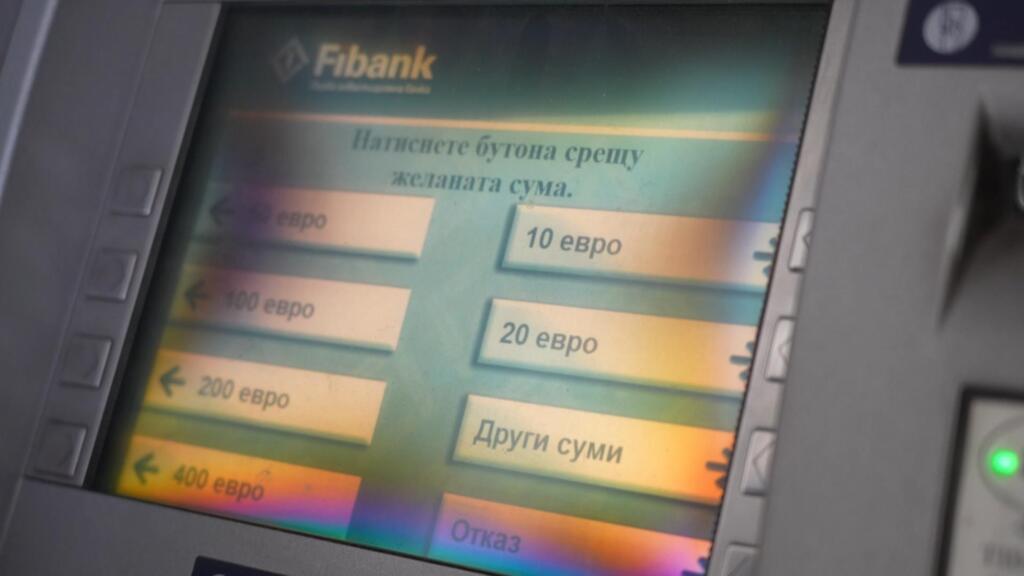
On January 1, Bulgaria officially joined the eurozone, becoming the 21st country to use the European single currency. Sofia's adoption of the euro brings hope of major economic benefits, but it also comes at a moment of deep political polarisation and mass anti-corruption protests, which culminated in the resignation of both the country's government and president.
Issued on: 03/02/2026 - 11:38
1 min Reading time
To display this content from YouTube, you must enable advertisement tracking and audience measurement.
One of your browser extensions seems to be blocking the video player from loading. To watch this content, you may need to disable it on this site.
 TALKING EUROPE © FRANCE 24
08:18
Our reporters Elitsa Gadeva and Charlotte Prudhomme were on the ground during the first weeks of the transition, as Bulgarians had one month to adapt to the new currency. From February 1, the country's only legal tender is the euro.
For businesses and experts, Bulgaria's eurozone entry is positive. But for a large part of the population, this change is worrying. In a country where 22 percent of inhabitants live below the poverty line, many fear that prices will increase.
 Talking Europe © France 24
Keywords for this article





 English (US) ·