
A man passes an electronic quotation board displaying the Nikkei 225 stock prices on the Tokyo Stock Exchange in Tokyo on March 31, 2026. (Photo by Kazuhiro NOGI / AFP via Getty Images)
Kazuhiro Nogi | Afp | Getty Images
Asia-Pacific markets were poised to open lower Thursday, tracking overnight losses in key Wall Street benchmarks as oil prices extended gains amid a U.S. blockade of Iranian ports, while the Federal Reserve held interest rates steady.
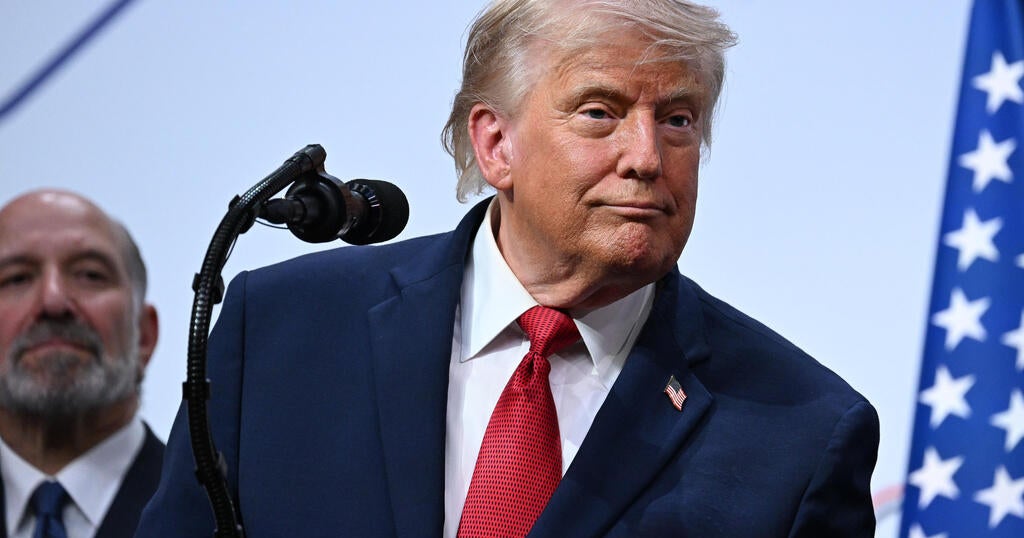
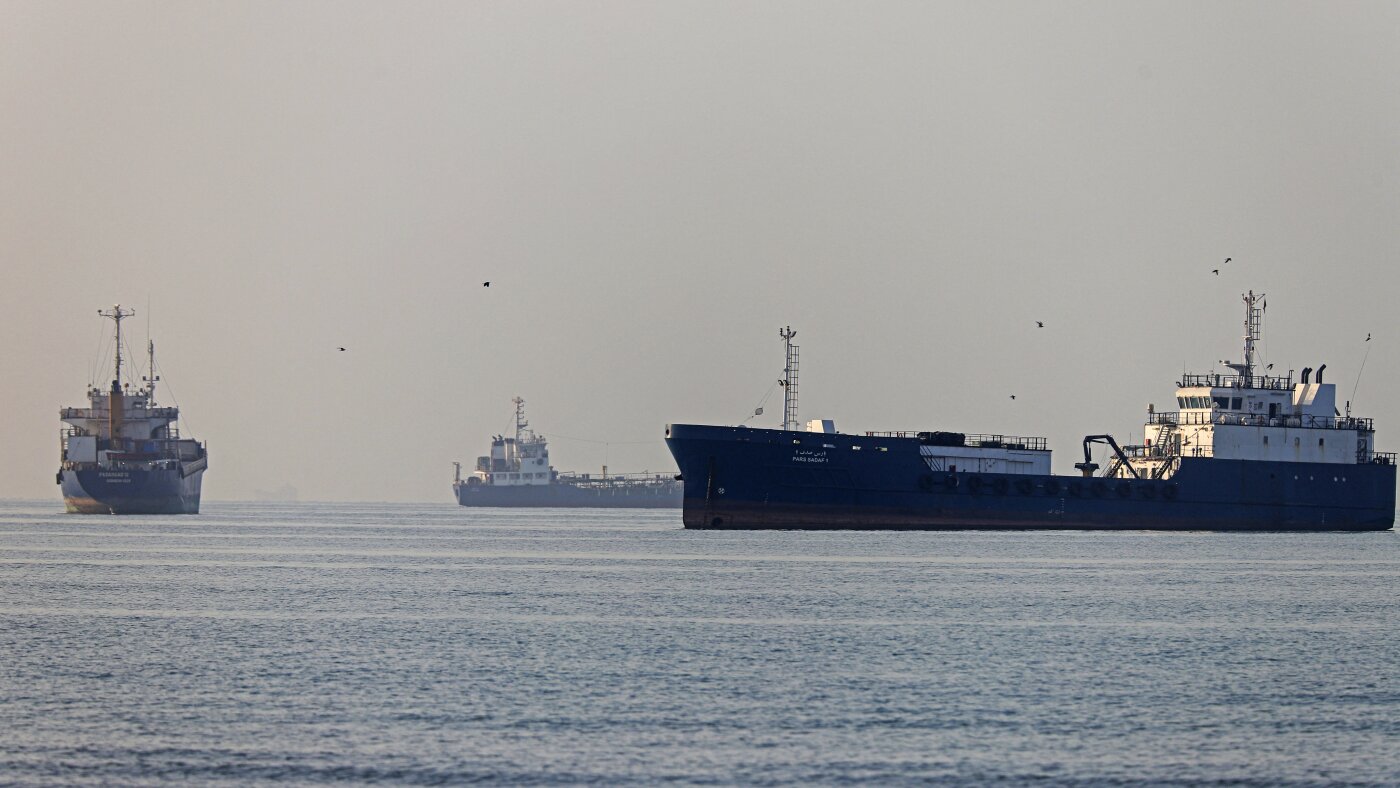
Oil climbed after after The Wall Street Journal, citing U.S. officials, reported that President Donald Trump had told aides to prepare for an extended blockade of Iran. Prices extended gains after Axios reported that Trump rejected Iran's proposal to reopen the Strait of Hormuz, signaling the U.S. naval blockade will remain until a deal addressing Tehran's nuclear program is reached.
International benchmark Brent crude futures rose about 6% to close at $118.03 per barrel on Wednesday, while U.S. West Texas Intermediate futures advanced nearly 7% to settle at $106.88 per barrel.
Hong Kong's Hang Seng index futures last traded at 25,729, compared with the index's Wednesday close of 26,111.84.
In Australia, futures last traded at 8,627 compared to the S&P/ASX 200's last close at 8,687.
Japanese markets were set to decline as trading resumes after a holiday. The benchmark Nikkei 225 is set to fall with the futures contract in Chicago at 59,260 and Osaka at 59,190 against the index's last close of 59,917.46.
In the U.S., futures tied to the broad market index added 0.3%, while Nasdaq 100 futures gained 0.5%. Dow Jones Industrial Average futures fell 128 points, or 0.2%.
Overnight in the U.S., the Dow Jones Industrial Average ended the day lower. The 30-stock index fell 280.12 points, or 0.57%, to close at 48,861.81 and notch a fifth straight losing day. The S&P 500 inched down 0.04% to close at 7,135.95, while the Nasdaq Composite crept up 0.04% to 24,673.24.
—CNBC's Sean Conlon and Lisa Kailai Han contributed to this report.





 English (US) ·