
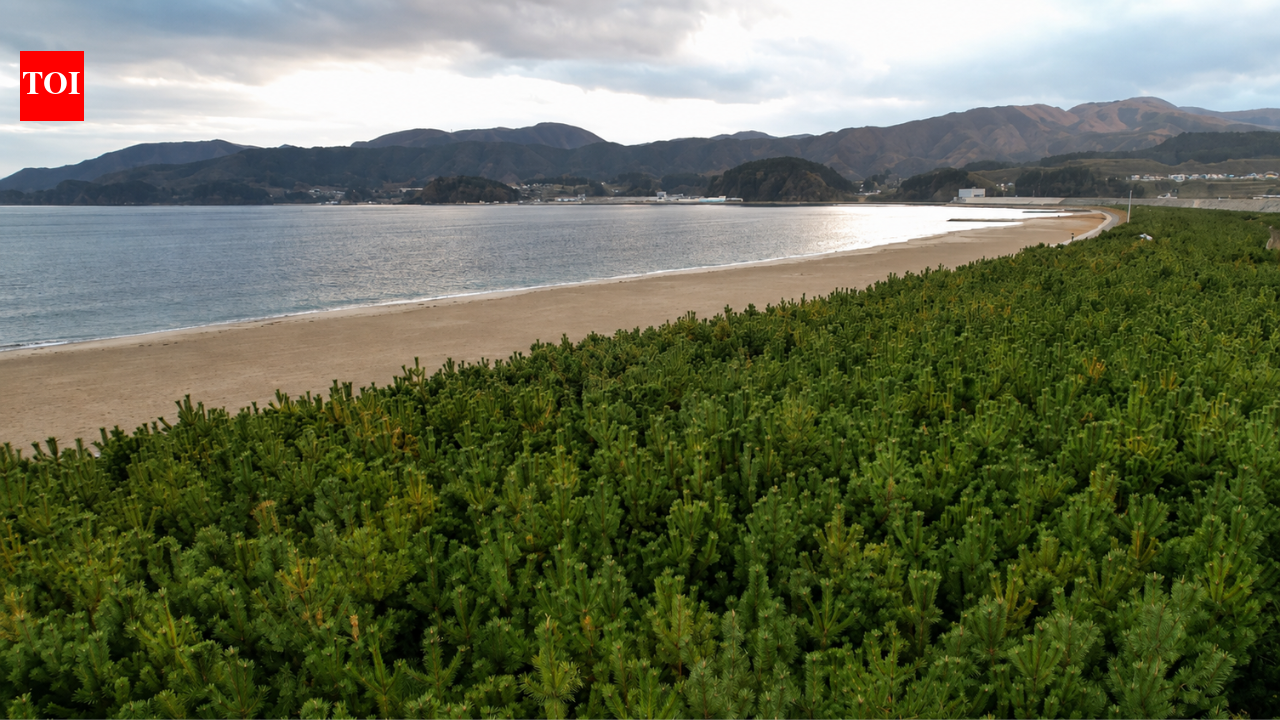
When a magnitude 9.0 earthquake and the devastating tsunami that followed struck Japan's north-eastern coast in March 2011, entire towns were swept away, nearly 20,000 people were killed or went missing, and vast stretches of coastline were left in ruins. In the years since, Japan has invested billions of yen in massive concrete seawalls, but another, less conventional form of protection has also taken root. Across the country's Pacific coast, volunteers have planted more than 680,000 native trees as part of the Chinju no Mori Project, an ambitious effort inspired by ancient "guardian forests" that seeks to complement engineered defences by restoring natural coastal ecosystems capable of reducing tsunami impacts.Why Japan planted more than 680,000 trees after the 2011 tsunamiThe Chinju no Mori Project, also known as the Morino Project, was launched in the aftermath of the 2011 Great East Japan Earthquake and Tsunami. Rather than relying solely on concrete infrastructure, the initiative aims to create dense coastal forests that can work alongside seawalls to reduce the force of future tsunamis, trap floating debris and stabilise coastal landscapes.Since its launch, the project has p...
After Japan's devastating 2011 tsunami, volunteers have planted more than 680,000 trees to protect the coast from future tsunamis
 4 weeks ago
56
4 weeks ago
56
Related



Popular



 English (US) ·
 © Clint's World News 2026. All rights are reserved
