
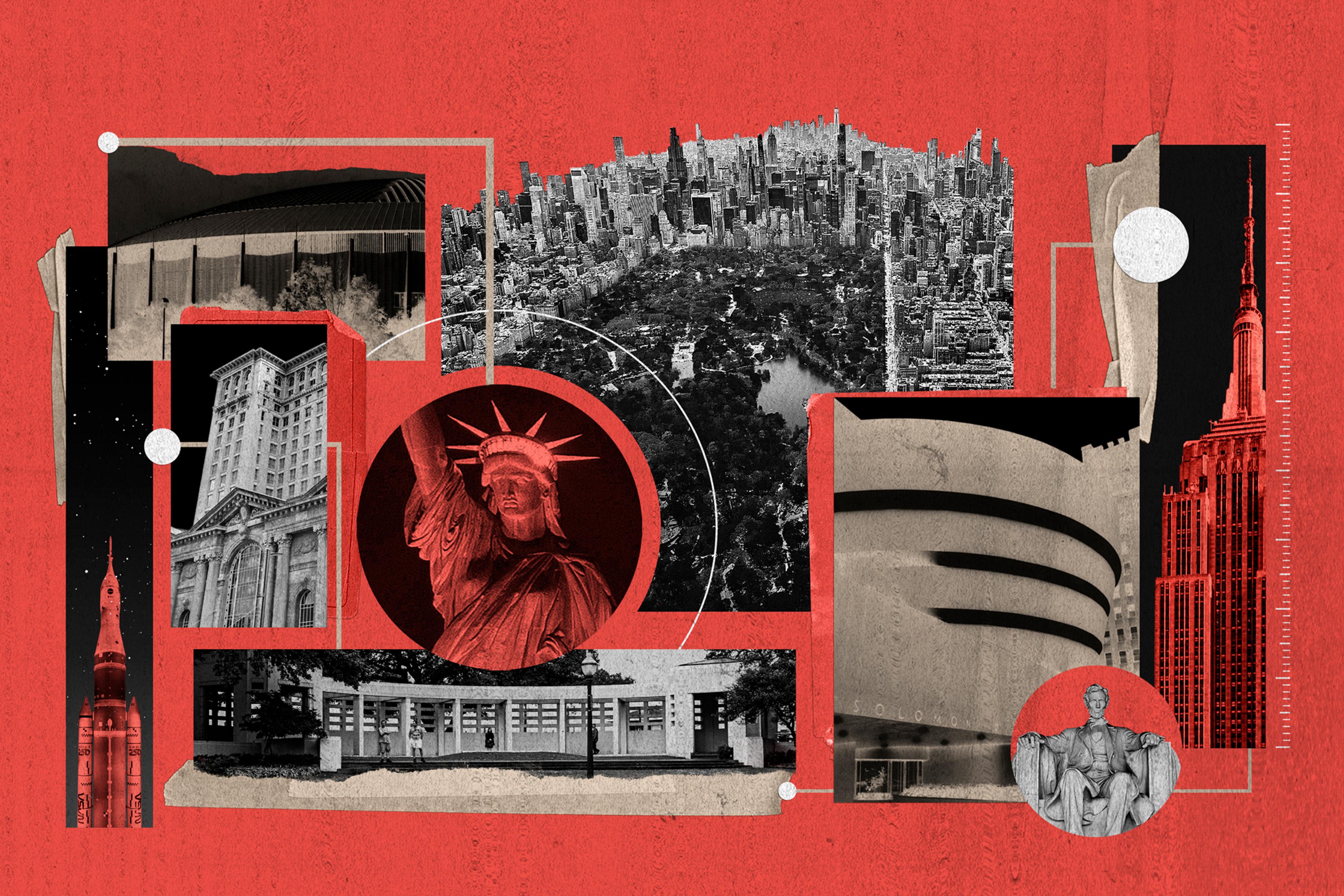
For the last 250 years, the American story has taken place against a backdrop of not only sea-to-shining-sea natural wonders, but also vibrant urban landscapes. As the United States approaches its Semiquincentennial, TIME asked 25 architects, urban planners, thinkers, and other experts to each nominate a building or monument that they believe says something special about the nation at this moment. Their answers, encompassing both Washington’s most famous sites and humble homegrown architectural forms, paint a portrait of America in three dimensions.
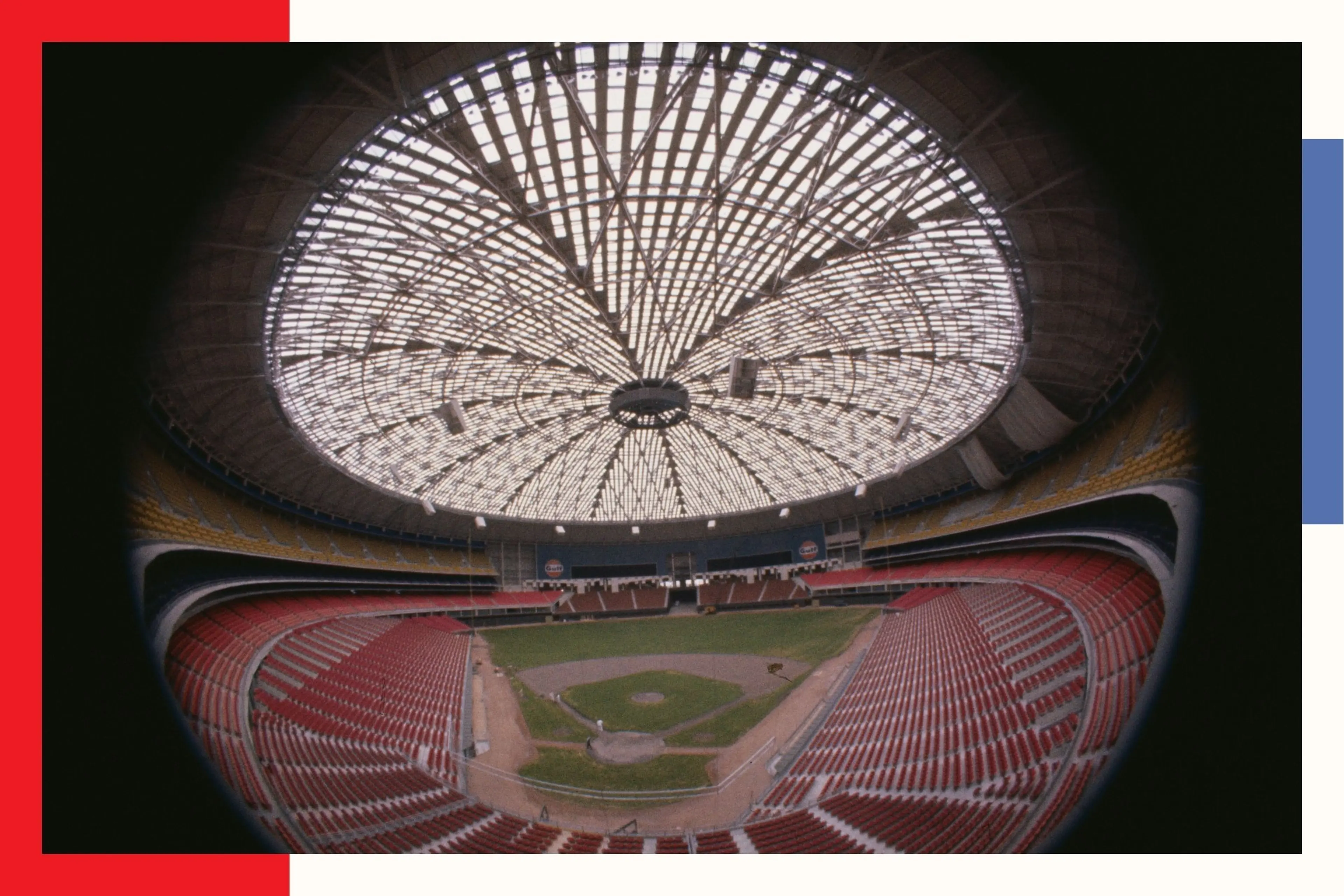
The Houston Astrodome stadium in 1965. Bettmann Archive/Getty Images
The Houston Astrodome (Houston)
Selected by Maria Nicanor
Historic preservation and adaptive reuse are the future of architecture in our country and worldwide. For America, saving the structures that defined the country’s prowess in innovation, experimentation, and ingenuity means looking to a relatively recent past. The Houston Astrodome is a great example of a structure that, if preserved, would point toward the future by combining historic preservation with new creative uses of an iconic space to serve today’s changing needs.
Nicanor is the director of the Cooper Hewitt, Smithsonian Design Museum in New York City.
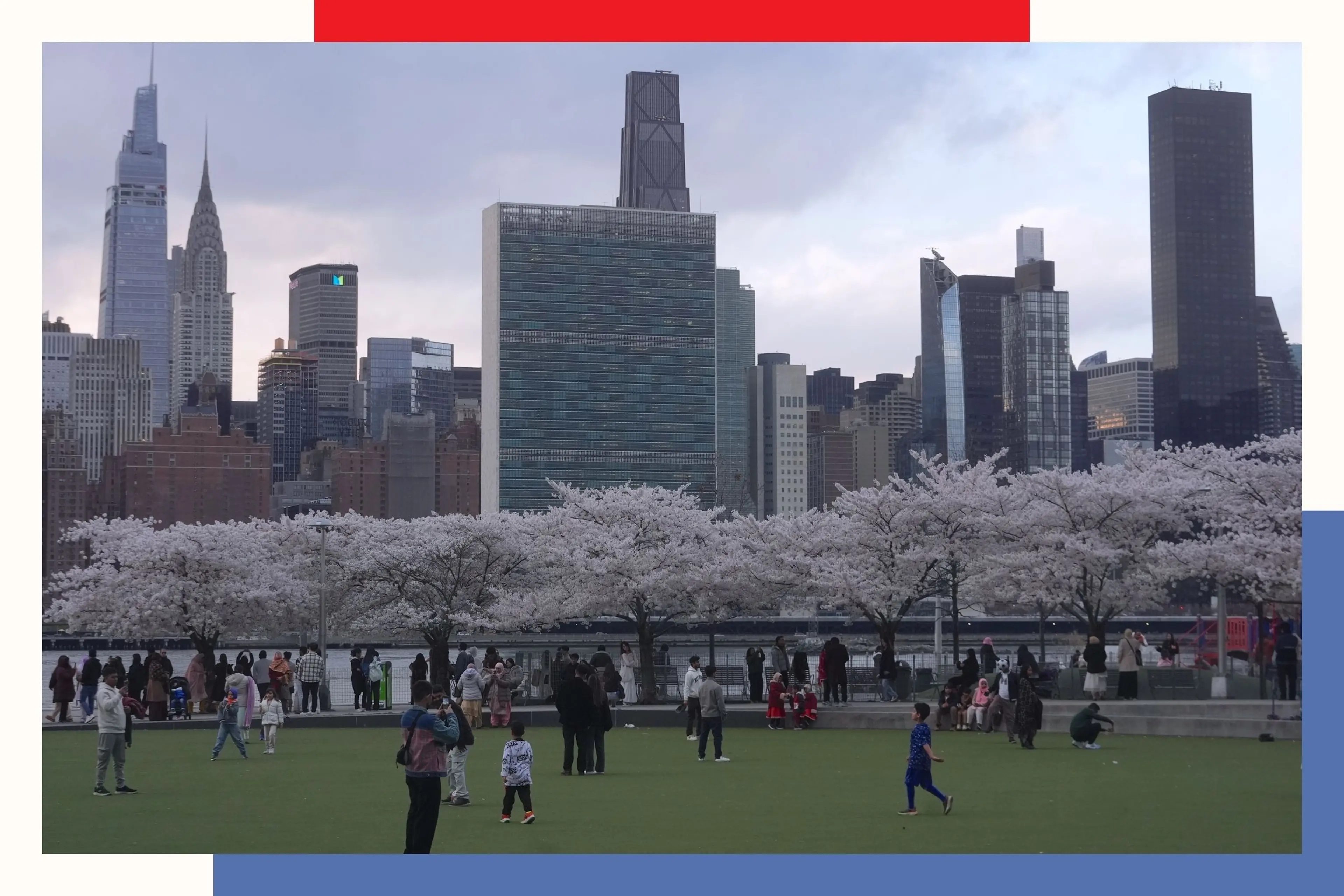
People spend time at Hunter's Point South Park in Long Island City, Queens, in April 2026. Selcuk Acar—Anadolu/Getty Images
Hunter’s Point South (Long Island City, N.Y.)
Selected by Quilian Riano
Hunter’s Point South is an example of how infrastructure built to adapt to increased risks for flooding can be leveraged to secure land for high-density, affordable housing. By transforming a 30-acre post-industrial site into a flood defense system that doubles as a public park, the project has successfully created a foundation for up to 5,000 new residential units, with 60% of them permanently affordable.
Riano is the dean of Pratt Institute’s School of Architecture.
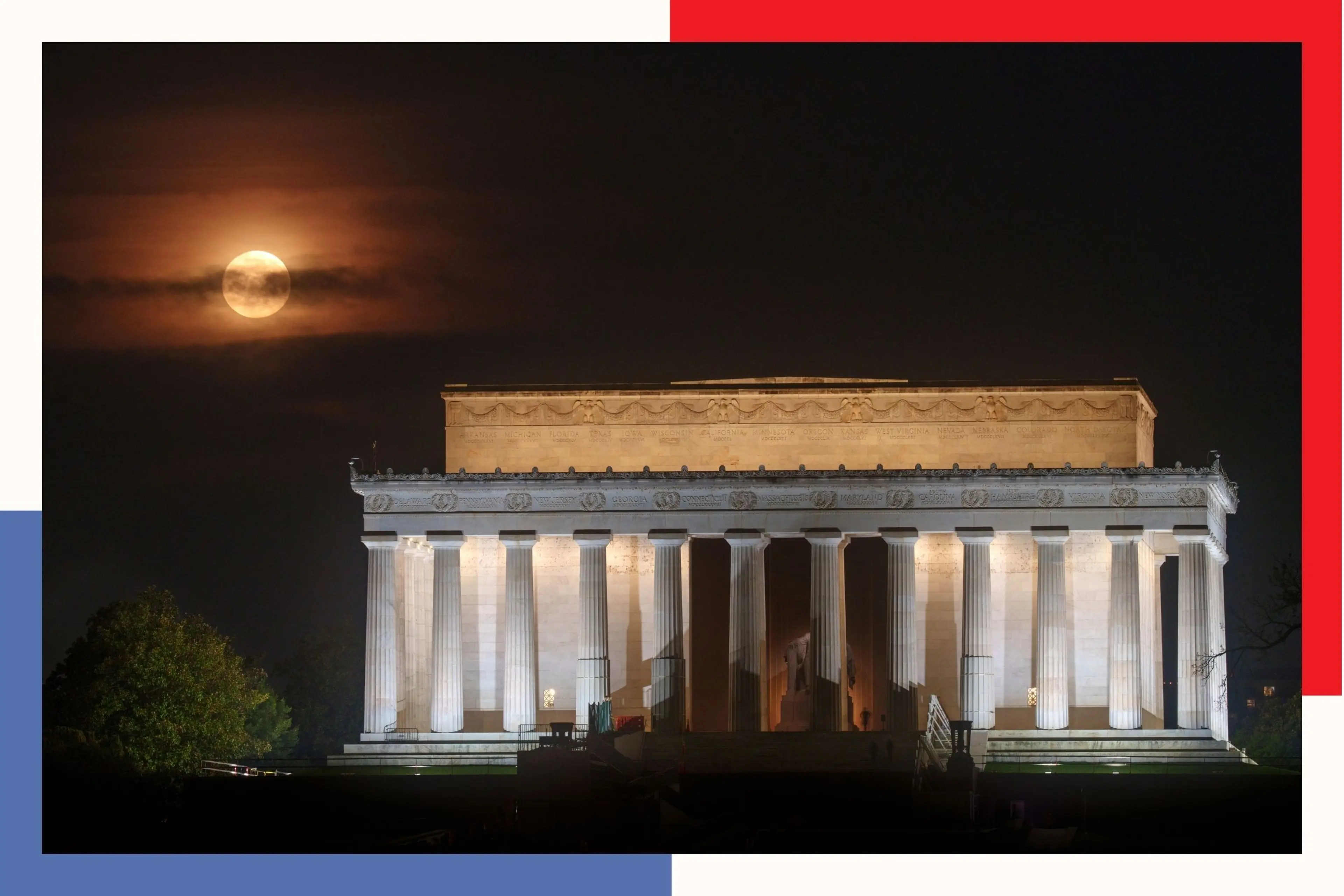
The Lincoln Memorial in Washington in April 2026. J. David Ake—Getty Images
The Lincoln Memorial (Washington, D.C.)
Selected by Ken Burns
The Lincoln Memorial speaks to a specific moment in time, but also to our own fractured one, reminding us that the U.S. has endured periods of profound division before. It also honors Lincoln’s mystical power to confront the nation’s deepest wounds without surrendering its purpose, and to give language to both its suffering and promise in words that still feel, in their clarity and restraint, almost sacred.
Burns is a documentary filmmaker. His The American Revolution will stream free on PBS from Memorial Day through July 12.
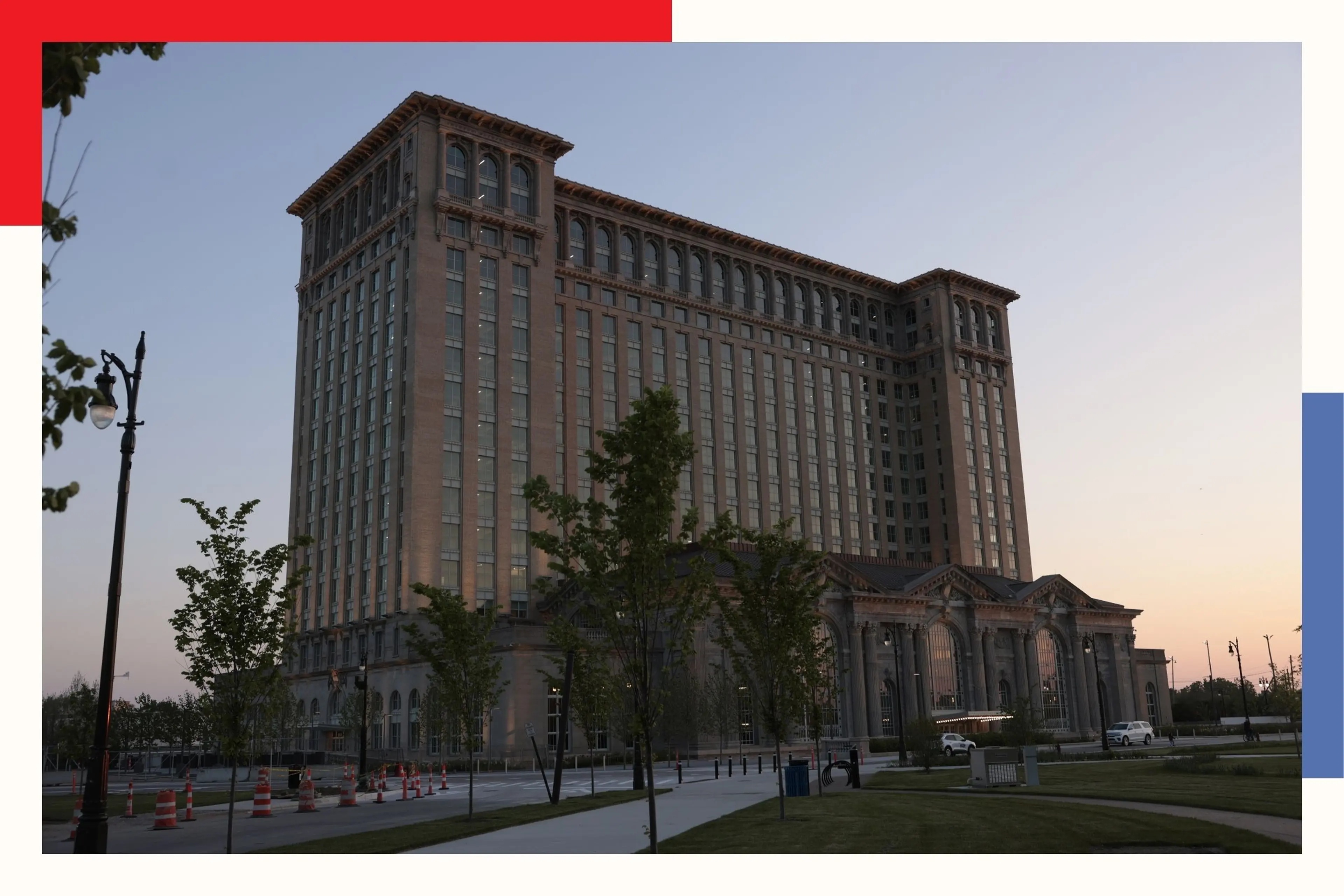
The Michigan Central Station in the Corktown neighborhood of Detroit, in 2024. Jeff Kowalsky—Bloomberg/Getty Images
Michigan Central Station (Detroit)
Selected by Bill Ford
From the beautifully renovated Michigan Central Station to our new World Headquarters and the historic Rouge plant, Ford consistently reimagines the sites where American industry began. Michigan Central’s renewal in particular defines the American moment: creating spaces where technology and community converge to solve shared challenges. It proves that the next era of innovation isn't just about what we build, but about building places that bring us together.
Ford is executive chairman of Ford Motor Company.
Bronxlandia (Bronx, N.Y.)
Selected by Majora Carter
My father, a Pullman Porter, came to New York City from Georgia during the Great Migration to escape domestic terrorism. Drawn to the Cass Gilbert–designed station in Hunts Point, he bought a home nearby with horse-race winnings, because a Black man couldn’t get a mortgage back then. Though the South Bronx went into decades of decline, I now own that same station and have transformed it into a vibrant multi-use events space bringing joy, commerce, and new life to a once-forgotten community.
Carter is an urban revitalization consultant, real estate developer, and author of Reclaiming Your Community: You Don’t Have to Move Out of Your Neighborhood to Live in a Better One.
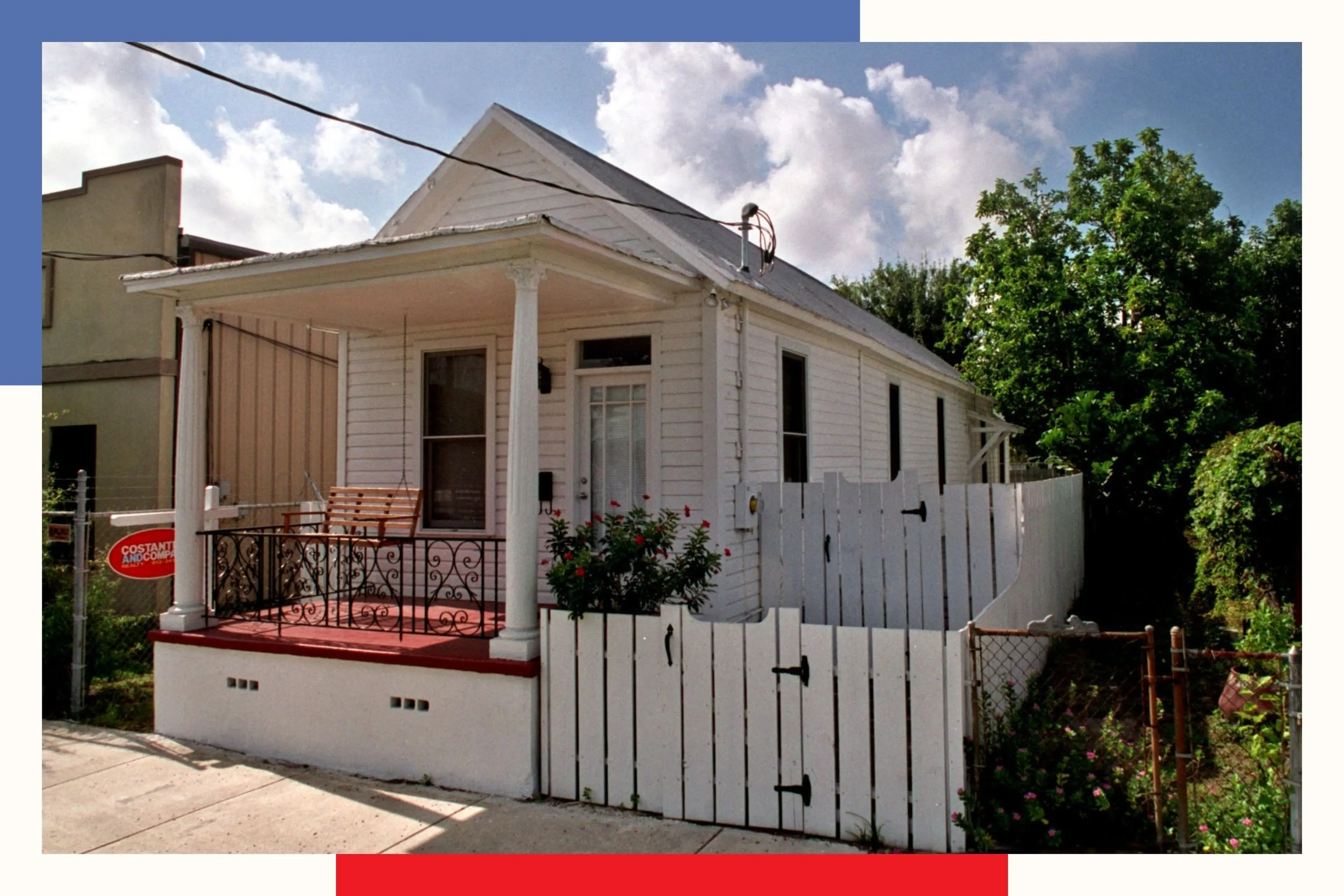
A Shotgun house in Ybor City, Fla. St Petersburg Times/ZUMA/Reuters
The shotgun house
Selected by Walter Hood
The narrow, rectangular “shotgun house” is an American housing typology attributed to the African diaspora, from Haiti to the American South and as far west as California. In today’s fascination with affordable, tiny houses, the legacy of traditional American architecture is in plain sight.
Hood is the creative director and founder of Hood Design Studio in Oakland, Calif., and professor emeritus of Landscape Architecture & Environmental Planning and Urban Design at the University of California, Berkeley.
The single-family subdivision
Selected by Jeff Speck
Single-family zoning covers more of this country’s livable urban land than any other designation. Only in America are we so keen to dedicate so much territory to the most unaffordable, carbon-intensive, and socially isolating type of housing. It’s telling that most of us say we’d rather live in walkable, mixed-use communities, but few are given that choice. It’s time to build real neighborhoods again.
Speck is a city planner and the author of Walkable City: How Downtown Can Save America, One Step at a Time.
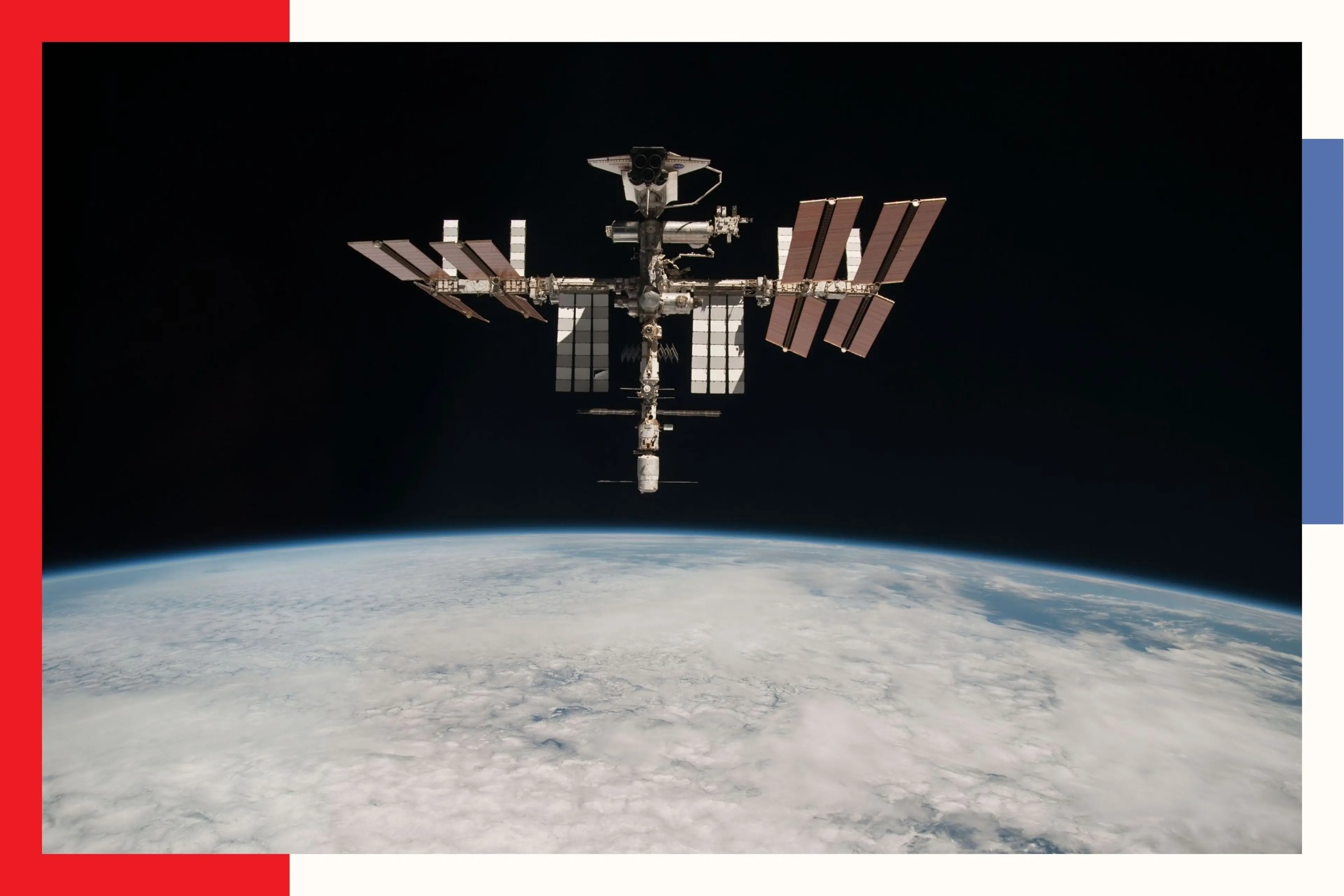
The International Space Station and the docked space shuttle Endeavour orbit Earth during Endeavour's final sortie in May 2011. Paolo Nespoli–ESA/NASA/Getty Images
The International Space Station
Selected by Gordon Gill
At this moment in American history, we rest on the threshold of transcending our existence beyond planet Earth. The Artemis program, proposing lunar habitation and infrastructure, stands to redefine the role of our species within the universe. We are, at this moment, experiencing a technological paradigm shift that will change our perspective of life within the universe, our relationship with intelligent machines, and the reimagining of our social and physical boundaries.
Gill is a founding partner at AS+GG Architecture, based in Chicago.
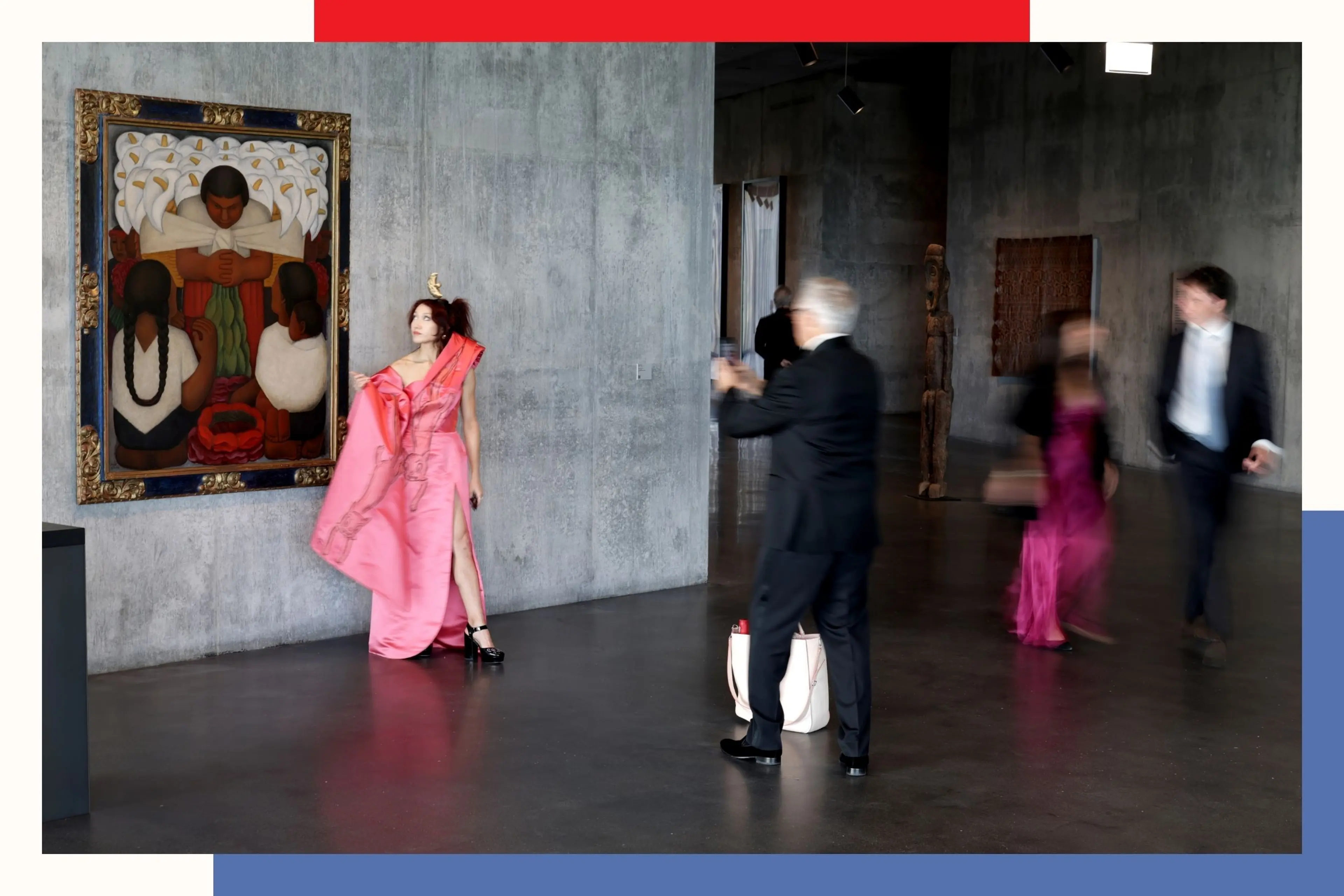
Guests explore the gallery during LACMA's Opening Gala for The David Geffen Galleries at Los Angeles County Museum of Art in April 2026. Joe Scarnici—LACMA/Getty Images
The David Geffen Galleries at LACMA (Los Angeles)
Selected by Annabelle Selldorf
The new David Geffen Galleries at the Los Angeles County Museum of Art, designed by Peter Zumthor, have already been talked about and criticized for years. To me, what is most surprising about the design is the human scale: The building’s large footprint can never be seen all at once. It is a work of architecture, but comes across as urban design. The elevated body of the museum creates a new relationship to the ground, and an entirely glazed perimeter invites the visitor to experience the city “in the round”—an interesting opposite to the way one views a work of art by moving around the object. Where the building bridges Wilshire Boulevard, visitors feel quite literally a part of the city. Through these juxtapositions and serendipitous encounters, they are given agency to make their own connections, setting up a challenging tension and offering a new paradigm for museums.
Selldorf is the founding principal of Selldorf Architects, based in New York City.
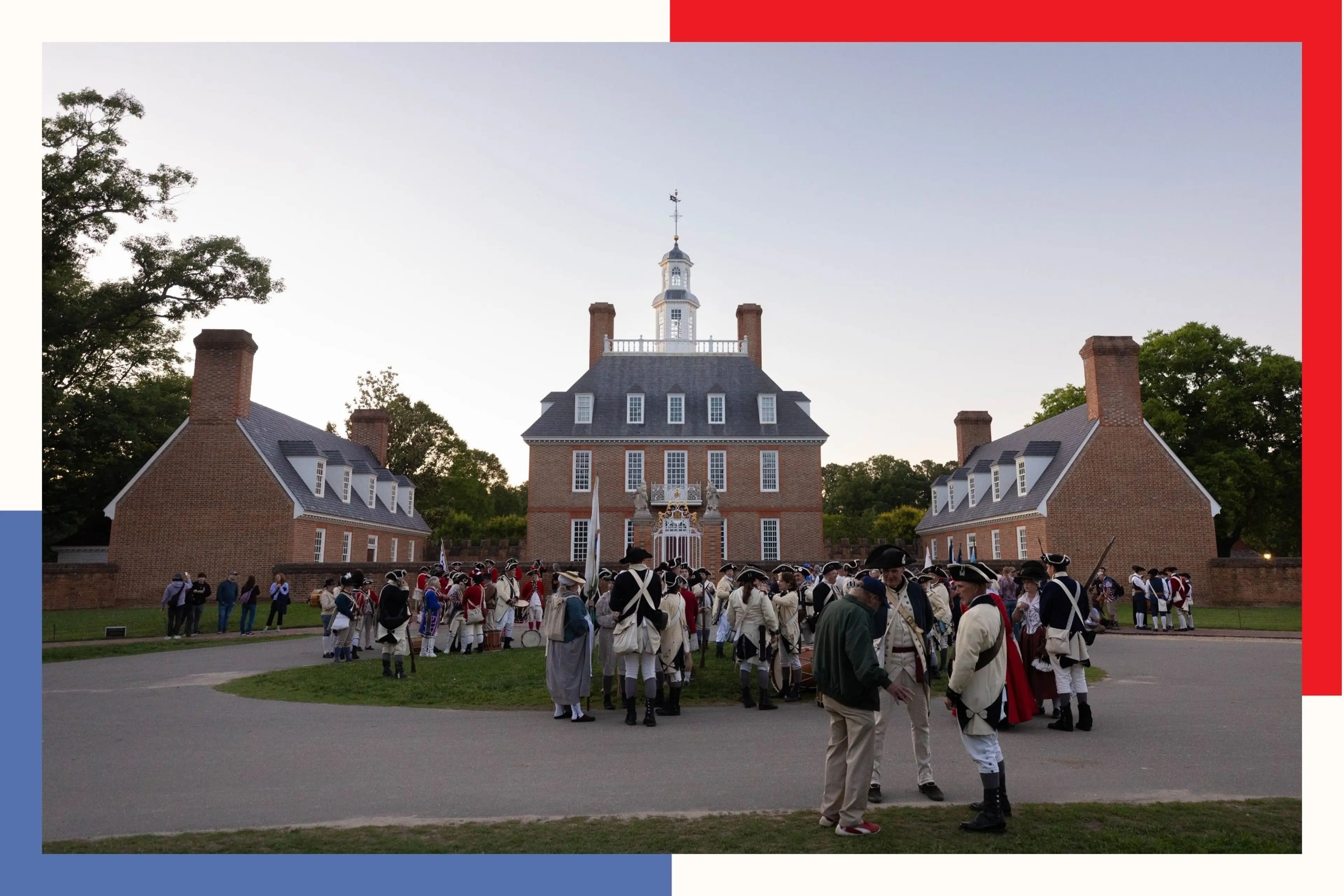
Multiple fife and drum corps assemble in front of the Governor's Palace before participating in the torch-lit Williamsburg Military Tattoo in Williamsburg, Va. in May 2026. Mike Kropf—Getty Images
Williamsburg, Va.
Selected by Elizabeth Plater-Zyberk
Over the centuries, historic Williamsburg has remained a model of the excellence of this country’s foundations. It is not a theme park; it is an actual town, the restoration of which—begun in 1926, coinciding with the nation’s 150th birthday—served to remind the nation of the dignity of our 18th century architecture, still considered a paradigm of elegance and cultural integrity. For that anniversary, Williamsburg was effective in recovering American architecture from the ravages of eclecticism. It has continued to play that role, and serves as a reminder of both the foundation laid 250 years ago, and of the idealism of 100 years ago. We can think of nothing else with such a pragmatic mission of both memory and reform.
Plater-Zyberk is a professor at the University of Miami’s School of Architecture and, along with her husband Andrés Duany, a founder of DPZ CoDesign.
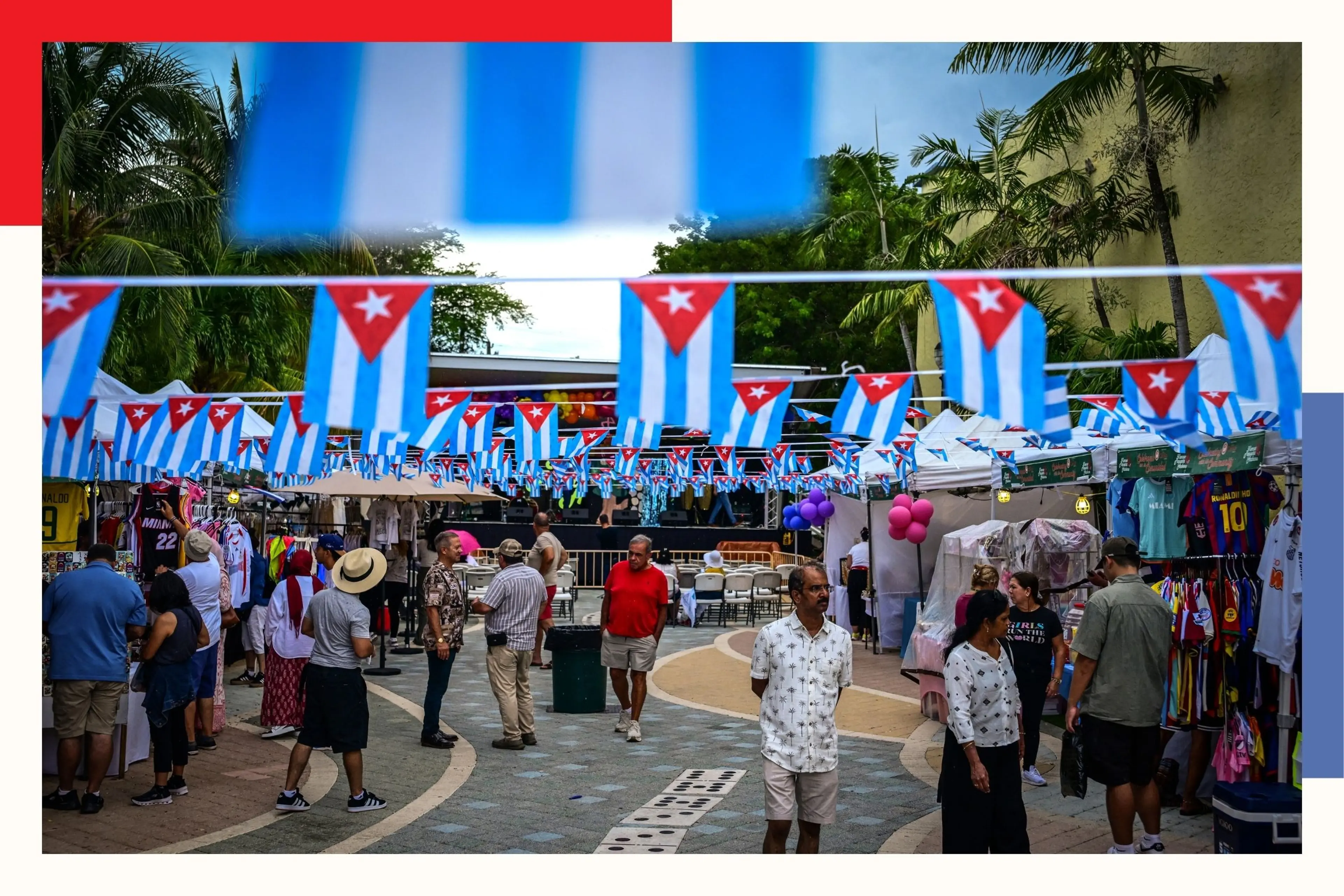
Visitors tour the Little Havana neighborhood in Miami in August 2025. Giorgio Viera—AFP/Getty Images
The architecture of the immigrant neighborhood
Selected by J. Meejin Yoon
Throughout U.S. history, successive generations of immigrants have shaped the cultural vibrancy and economic vitality of the American city from coast to coast. From Miami’s Little Havana to Chinatowns in San Francisco, Koreatown in Los Angeles to Jersey City’s Little India, these centers of urban heterogeneity, with buildings to match, have enabled multiple generations to pursue the American Dream. These communities have, for centuries, evolved to embody the distinctly American capacity to embrace difference and foster opportunity for all—now and for the future.
Yoon is a founding partner of the Boston-based architectural firm Höweler + Yoon and the dean of Cornell University’s College of Architecture, Art, and Planning.
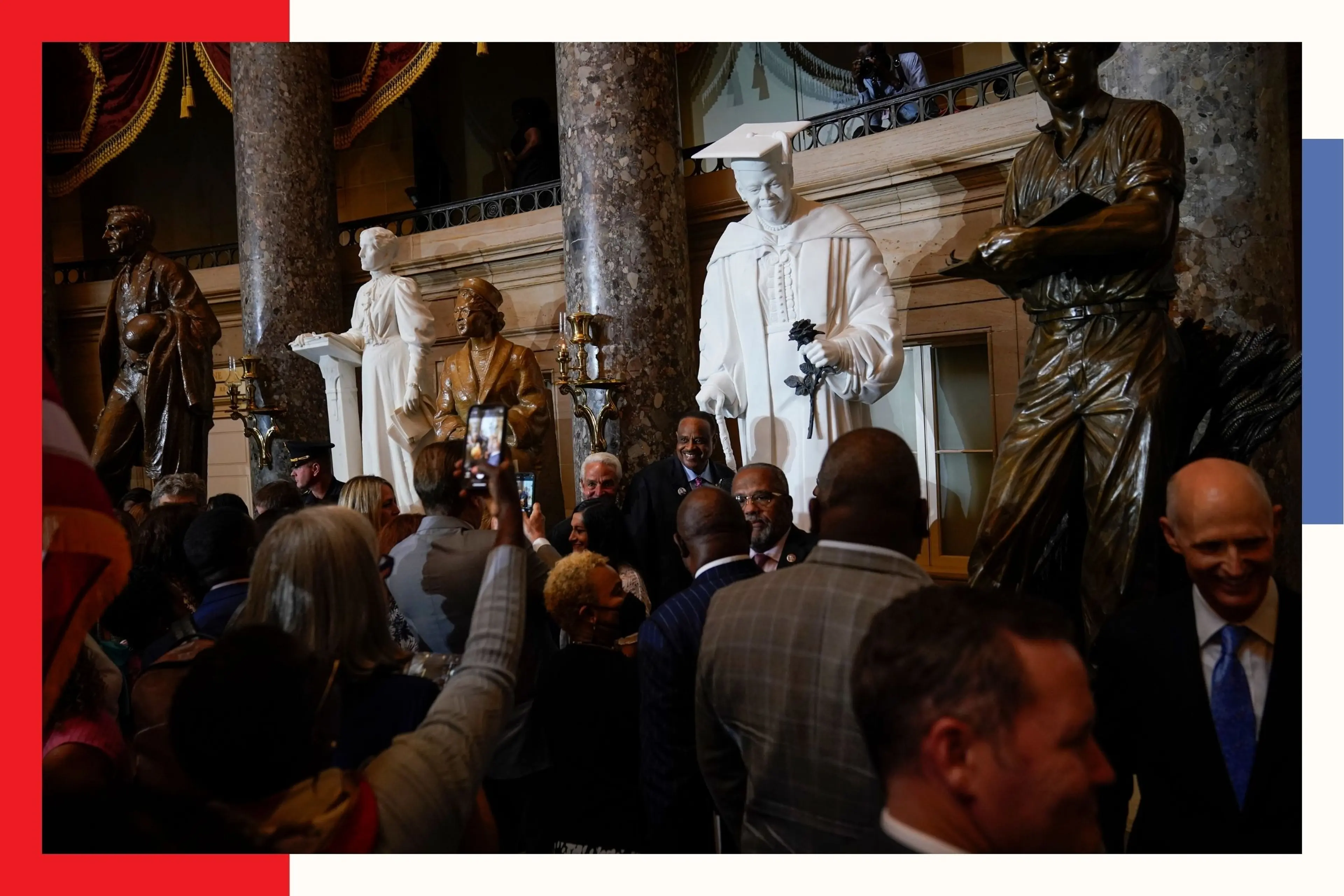
Members of Congress take pictures in front of the unveiled statue of Dr. Mary McLeod Bethune in Statuary Hall at the Capitol in Washington in July 2022. Jack Gruber—USA TODAY/Reuters
The Mary McLeod Bethune statue in the Capitol's National Statuary Hall (Washington, D.C.)
Selected by Van Jones
The daughter of slaves now stands in marble in the heart of American power. She replaced a Confederate general. Her statue is inscribed with her own words: “Invest in the human soul. Who knows, it might be a diamond in the rough.” That is what America’s promise has always been—though it’s one the nation, at 250, still struggles to keep.
Jones is an author and political commentator for CNN.
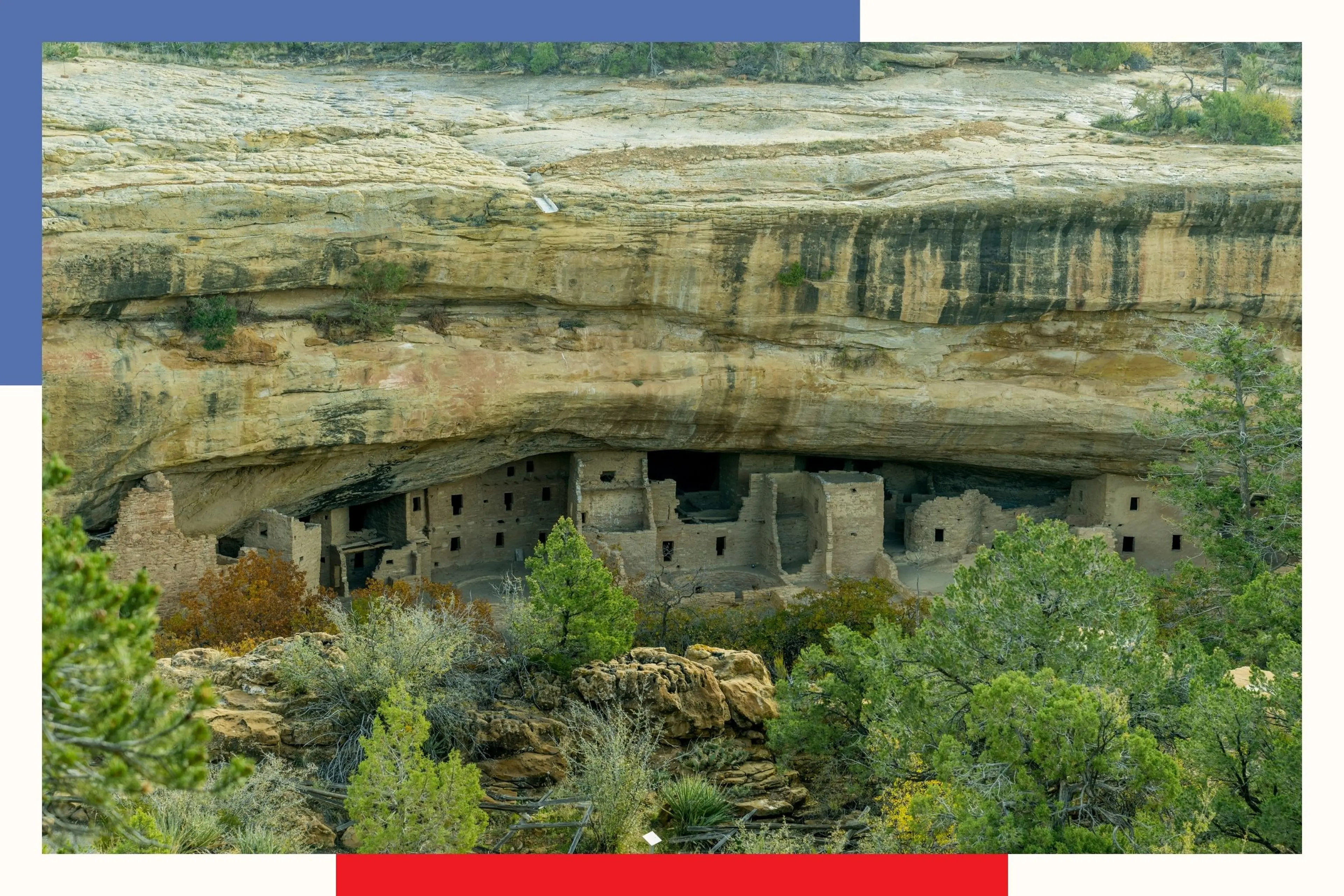
The Spruce Tree House, the third largest cliff dwelling in Mesa Verde National Park. Wolfgang Kaehler—LightRocket/Getty Images
America’s UNESCO World Heritage Sites
Selected by Nader Tehrani
UNESCO World Heritage Sites like Mesa Verde National Park in Colorado, Monticello in Virginia, the Guggenheim Museum in New York City, and the Statue of Liberty recognize the diverse histories of this region and embody the values of the people who lived on these lands for centuries, redefined liberty, and imagined its future. Our cherishing of these sites highlights the irony of the fact that the U.S. war on Iran, supported by our tax dollars, has damaged other world heritage sites—an offense unlikely to have clear legal accountability, due to this country's refusal to ratify the International Criminal Court's Rome Statute.
Tehrani is a designer, educator, and founder of the Boston-based architecture and urban design firm NADAAA.
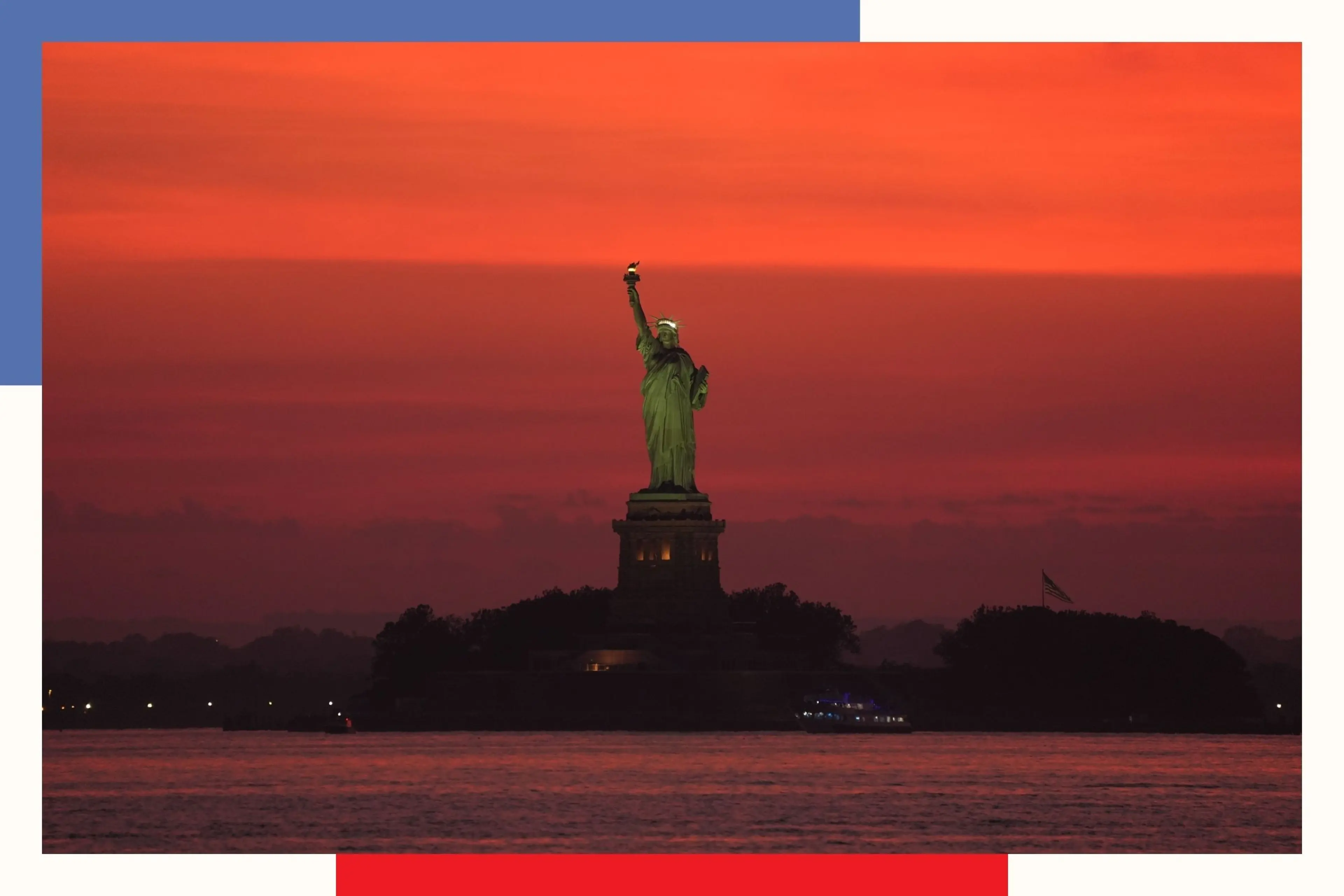
The Statue of Liberty seen from New Jersey in June 2025. Lokman Vural Elibol—Anadolu/Getty Images
The Statue of Liberty
Selected by Douwe Blumberg
As a professional sculptor, I chose the Statue of Liberty, which initially felt “passé” and slightly out of touch with the cynicism that pervades our culture. Upon reflection, however, I feel that this monument represents America today, in a unique and timeless way. Having traveled widely, and with eyes wide open to our faults, I believe America still stands as a beacon of light among the nations. I have seen nowhere I would rather live, and I am grateful.
Blumberg is a sculptor.
Artemis II
Selected by Daniel Libeskind
Artemis II is not a conventional building but an architectural idea—one that expands structure beyond walls into systems, trajectories, and the collective human effort. Conceived across disciplines and carried out by a diverse crew, it represents a new kind of civic space: dynamic, boundaryless, and oriented toward discovery. In that sense, it reflects a contemporary American ambition: not only to build, but also to imagine and construct new horizons, whether in outer space or in our inner urban-civic space of cities. The Artemis II crew—bringing together different backgrounds and perspectives, including a woman and an African-American—embodies a forward-looking, inclusive vision of exploration. United by ingenuity and purpose, the mission reflects an enduring drive to push boundaries while grounding progress in humanistic values.
Libeskind is an architect, artist, educator, and the founder of Studio Libeskind, based in New York City.
The American Library
Selected by Al Roker
The library is a transformative place. It provides knowledge, information, imagination, and entertainment to all who enter, with just a library card. I know my branch of the Queens, N.Y., library helped make me who I am today—but don’t hold that against them.
Roker is a co-anchor of NBC’s Today.
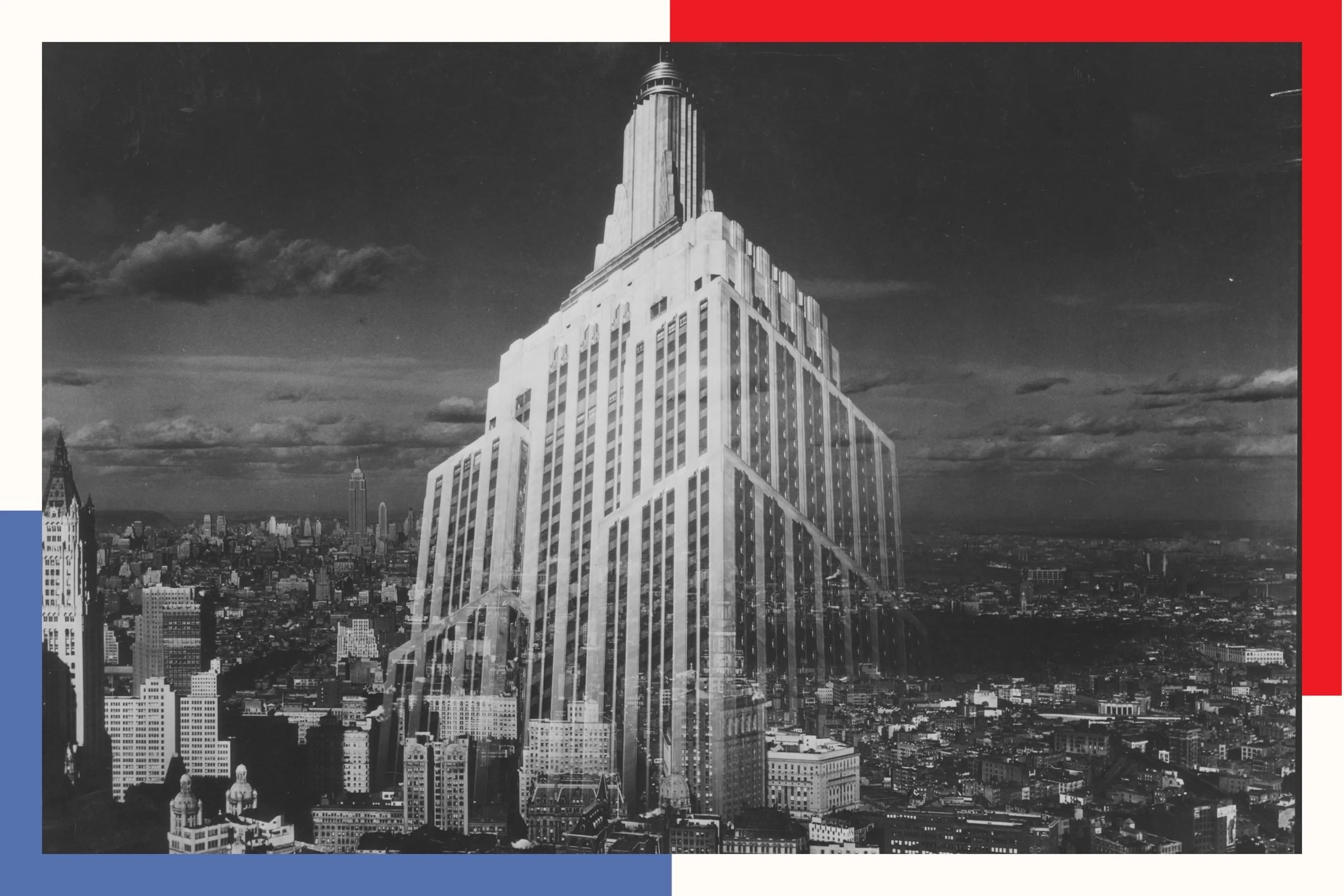
Photomontage of Empire State Building tower above the city skyline on New York, 1929. Irving Browning—The New York Historical/Getty Images
The Empire State Building (New York, N.Y.)
Selected by Ralph Lauren
The Empire State Building is a cultural icon in its own right. Completed in 1931, its 102 floors made it the highest skyscraper in the city and the world for decades. It is the symbol of New York City, of dreams, of ambition, and of possibility—notions that are so purely American. It is where I began my business, selling ties out of a single drawer. I was a kid from the Bronx with a dream and not much else, but America is a place of possibility and dreams, where you can start from one drawer and see what happens.
Lauren is a fashion designer, entrepreneur, and philanthropist. He was recently invited to curate a set of commemorative U.S. postal stamps, “American Icons,” in honor of the nation’s 250th anniversary.
Declaration House (Philadelphia)
Selected by Paul Farber
The Declaration House sits at the historic location where Thomas Jefferson and Robert Hemmings spent several months during the drafting of the Declaration of Independence in 1776. Hemmings, then 14 years old, was the enslaved half-brother of Jefferson’s wife, Martha Wayles Skelton. He was present with Jefferson at this profound moment of nation building, but there are no known images or illustrations of him. Artist Sonya Clark explored Hemmings’ presence and absence in the historical record by looking into the eyes of his descendants—those related to him and the hundreds of others enslaved at Monticello, including Jefferson’s own kin. She then worked with Monument Lab to install these dynamic family portraits as “watchpeople” in the outward-facing windows of the Declaration House historic site, part of Philadelphia’s Independence National Historical Park, in 2024. The Descendants of Monticello is emblematic of this Semiquincentennial—a nation commemorating an unfinished project of democracy. As Clark noted: “I think of these eyes as being beacons of hope, watchful, surveilling, and haunting. I think of them as taking up the space that otherwise had been denied—all of those things and more.”
Farber is the director and co-founder of Monument Lab. He is also an editor of the forthcoming book Declaration House, available July 3.
Michigan Central Station (Detroit)
Selected by Richard Florida
No place better captures America’s capacity for reinvention than Michigan Central Station in Detroit—a grand Beaux-Arts railroad palace of the Industrial Age, left in ruin for decades and now reborn at the center of the auto industry’s reinvention, where the car becomes a computer on wheels. If Detroit, the city most ravaged by deindustrialization, can remake its defining industry and rebuild its downtown around a single, audacious bet on the future, so can America. On our 250th birthday, Michigan Central stands as the physical embodiment of what makes America unique: our ability to rise from our darkest hours and remake ourselves for a new age.
Florida is an urban theorist, Kresge Foundation Visiting Senior Fellow, and the author of The Rise of the Creative Class.
The proposal for the redesign of Dealey Plaza and Martyrs Park (Dallas)
Selected by Monica Ponce de Leon
The reimagining of Dealey Plaza and Martyrs Park—commissioned by Dallas Morning News architecture critic Mark Lamster and designed by Stoss Landscape Urbanism and my team at MPdL Studio—speaks to our need as a nation to confront difficult histories, reclaim public space for community, and foster self-reflection. By uniting the site of President John F. Kennedy's 1963 assassination with the adjacent park dedicated to Patrick Jennings, Samuel Smith, and Cato Miller, three victims of racial violence in 1860, the proposal seeks to transform the current tourist “drive-thru” experience into a holistic space for education, contemplation, or simply coming together. In a moment in which so many communities are divided, the project reflects America's hope for a united future.
Ponce de Leon is the founder of MPdL Studio and the George Dutton ‘27 Professor in Architecture at Princeton University’s School of Architecture.
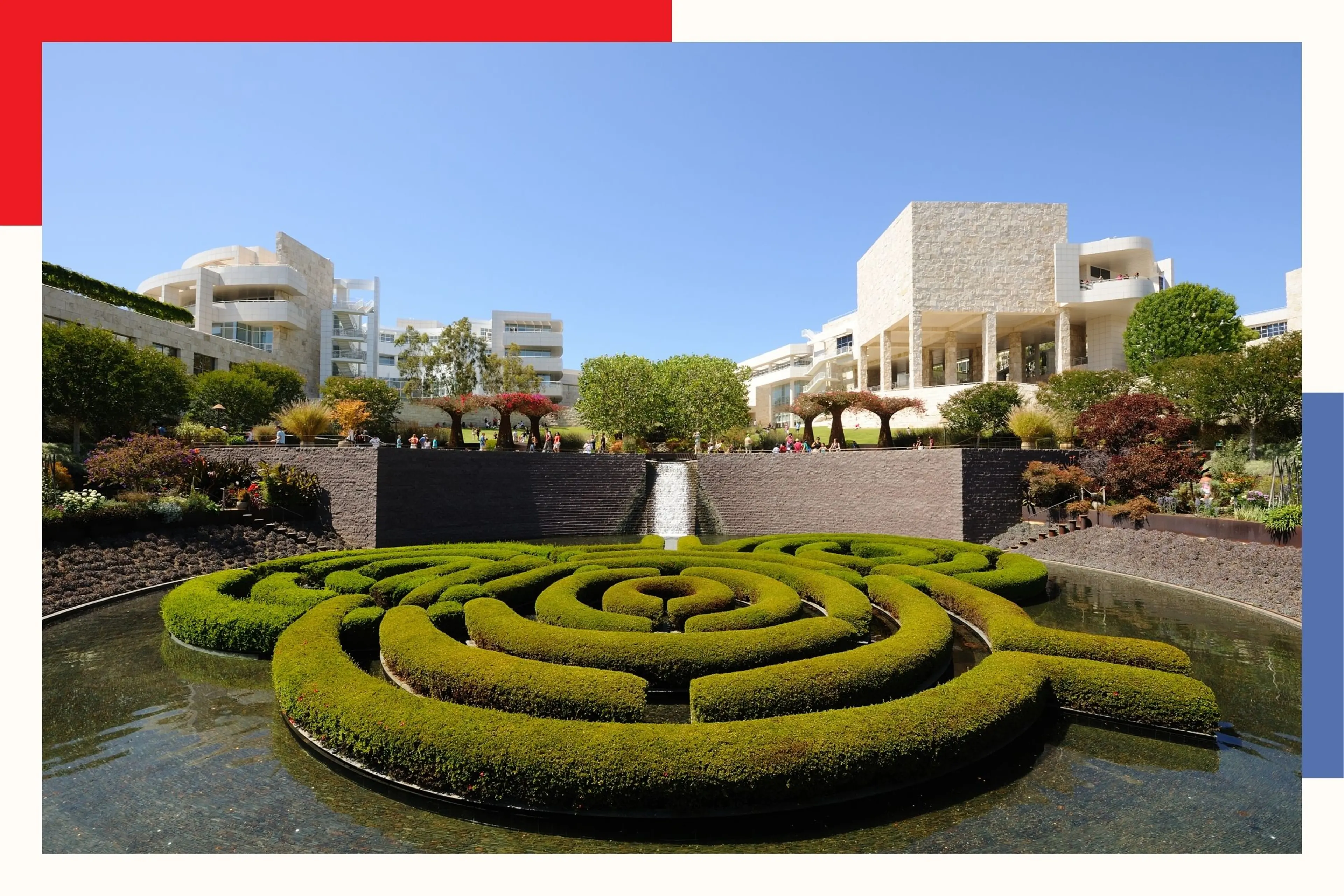
The Getty Center in Brentwood, Los Angeles in July, 2016. Frédéric Soltan—Corbis/Getty Images
The Getty Center (Los Angeles)
Selected by Richard Meier
It is critical that cultural stewardship continue to be prioritized in America, and the Getty is a significant example of private capital redirected into an accessible public legacy. My design for the Getty was meant to create not only a setting for art, but also a destination—a setting for life to unfold in, encouraging people to immerse themselves in the architecture, landscapes, and spectacular views. The architecture itself teaches you how to look, slow down, and ground yourself in the carefully composed experience of light, space, and perspective. It’s a contemporary American sanctuary to culture: open, luminous, and forward-looking.
Meier is an architect and the designer of the Getty Center.
Austin Central Library (Austin)
Selected by Eric Klinenberg
This stunning building, a palace for the people set along the Colorado river in central Austin, is, like all public libraries, a gift that local residents gave to themselves, and one that gives back every day. Initially funded through a $90 million bond initiative, and supplemented later by the City Council, the library serves as a civic hub, an antidote to social isolation, a play space, an ecological refuge, and, above all, a reminder that American communities are still capable of producing extraordinary public goods. It's a model of the social infrastructure that Americans want and deserve, precisely what we need to rebuild an open society and democratic culture in this dark and dangerous moment.
Klinenberg is a social sciences professor at New York University and the author of Palaces for the People: How Social Infrastructure Can Help Fight Inequality, Polarization, and the Decline of Civic Life.
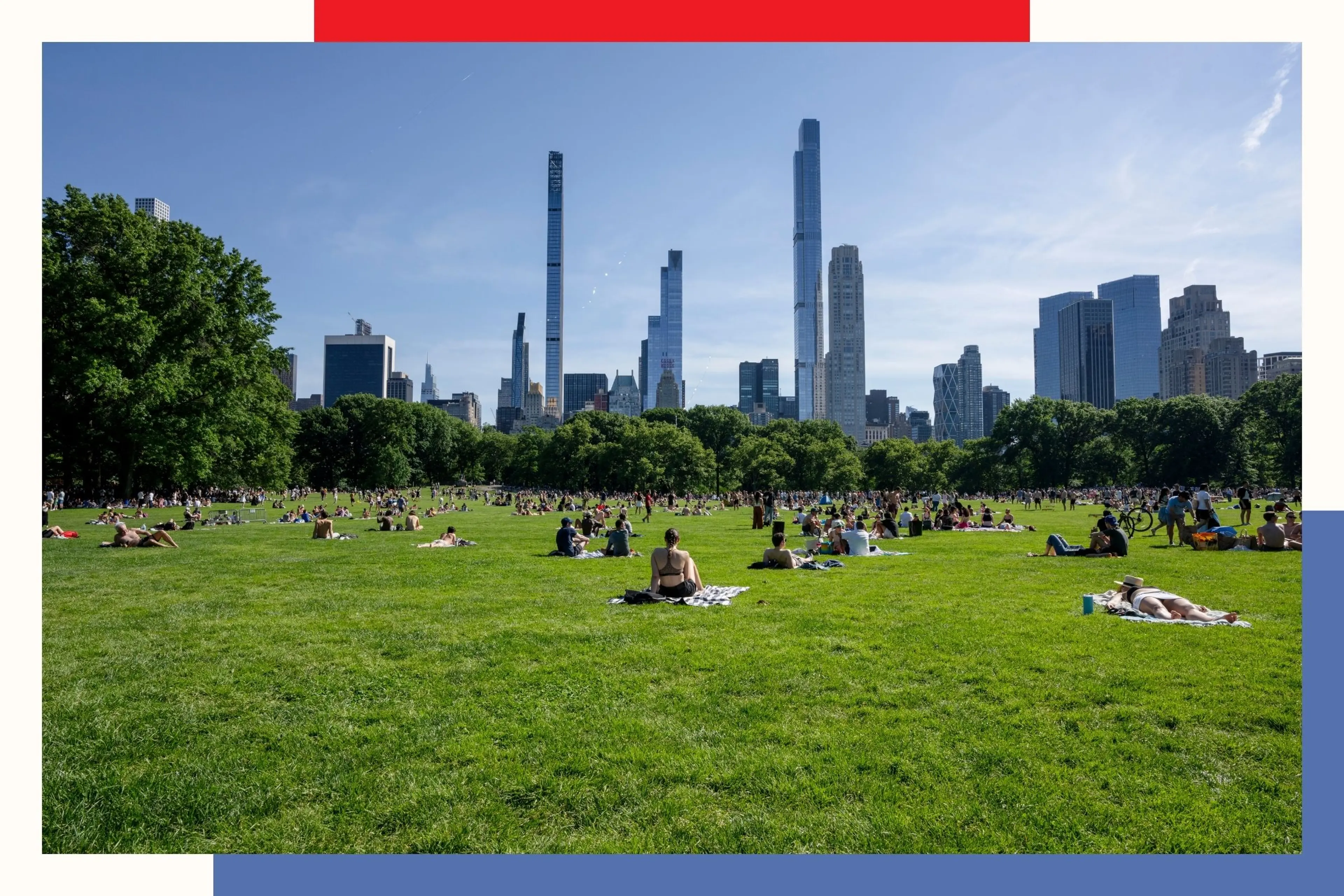
People rest on the Sheep Meadow lawn in Central Park in June 2024. Craig T Fruchtman—Getty Images
Central Park (New York City)
Selected by Billie Tsien
“Natural” as it may seem, the park is part of the city’s built environment too. And most importantly, it is for everyone! All are welcome.
Tsien is a founding partner of the New York City-based Studio Tsien and Tod Williams Billie Tsien Architects.
The Sendero Verde affordable housing development (East Harlem, N.Y.)
Selected by Lois B. Arena
During a period of significant housing demand, Sendero Verde introduced more than 700 units of affordable housing, designed and constructed to the Passive House standard—a design principle that dramatically reduces energy use—to prioritize high-performance building systems, occupant health, and thermal comfort. Generous amenity spaces are integrated throughout the development to support social connectivity, while creating opportunities for educational engagement and economic advancement. The development serves as a crucial reminder that the demands of the housing crisis and the energy crisis don’t have to compete.
Arena is the Director of High Performance Building Solutions at Steven Winter Associates.
The bike lane
Selected by Janette Sadik-Khan
So much talk about the future of cities focuses on the promise of driverless or flying cars, overlooking the real transportation revolution: connected bike lane networks and the walkable, economically vibrant cities and streets they help make possible. America 250 years ago was a nation of walkable cities, and cycling has been a feature on its streets since the 19th century. Today, cities from New York to Chicago to Minneapolis to Seattle are implementing city-transforming bike infrastructure to move millions of people each year more safely than cars, to improve the look and economic health of our cities, and to reduce the transportation costs for American families—all for pennies on the billions of dollars spent on road building. As we contemplate our nation's transportation future, we can look to our roots, when streets were built around people and Americans had freedom of transportation choice.
Sadik-Khan is a principal at Bloomberg Associates and the former commissioner of the New York City Department of Transportation.
(Illustration Source Images: Joe Raedle—Getty Images; C. Taylor Crothers—Getty Images; Grichka Beysson-Leandri—Hans Lucas/AFP/Getty Images; Spencer Jones—GHI/UCG/Universal Images Group/Getty Images; Evelyn Hofer—Conde Nast/Getty Images; Kirby Lee—Getty Images; Win McNamee—Getty Images; Aaron J. Thornton—Getty Images; Lokman Vural Elibol—Anadolu/Getty Images)







 English (US) ·