
 14 hours ago
3
14 hours ago
3
1/11
10 scientific breakthroughs that rewrote the rules of wa
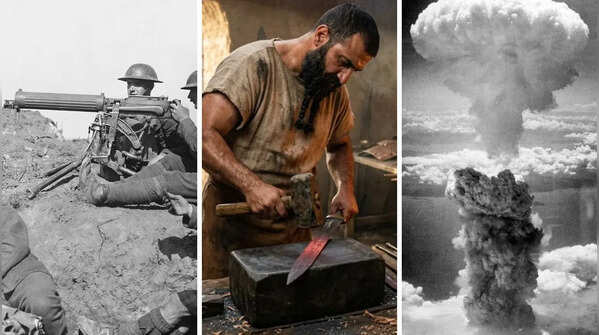
The history of warfare has typically been depicted as the result of the combined efforts of accomplished generals and well-thought-out strategies, however it is often science that has provided the ‘force multiplier’ that could turn a (previously) successful general into a (newly) unsuccessful one and will change the rules of engagement, so that in an instant, what was once the effective means of war become outdated. Through a series of ten major advancements, ranging from the incredible weaponry powered by the ‘alchemy’ or ‘magical fire’ of Greek Fire to the new ability to navigate precisely via satellites.
2/11
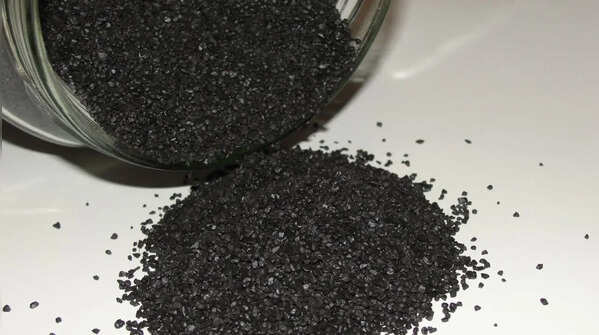
the invention of gunpowder
Gunpowder was the result of an accidental discovery by Chinese alchemists working with Taoist principles. Gunpowder switched the basis for warfare from mechanical, on the use of bows and catapults to chemical, on the use of propulsion; when it was introduced into Europe, it made castles and plate armour used by knights no longer a viable means for holding or controlling land, thus concentrating power into the hands of those states that could afford to buy cannons and artillery.
PC: Wikipedia
3/11
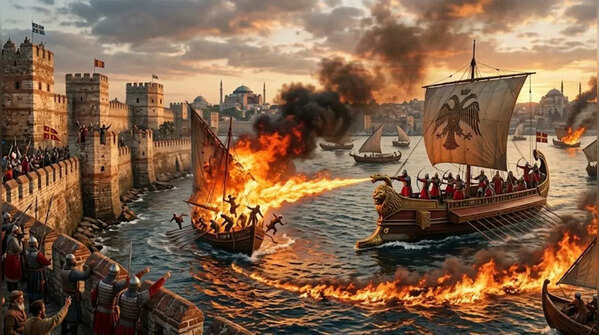
Greek Fire in Byzantine Defense
Greek Fire was an advanced form of chemical warfare, which was most likely made from a mixture of petroleum and other materials that continued to burn on water. Developed in the seventh century, Greek Fire provided the Byzantine Empire with a significant naval advantage, enabling it to defend against the massive siege by the Arabs during the sieges of Constantinople and maintain its control of the Mediterranean for centuries.
PC: Google Gemini
4/11
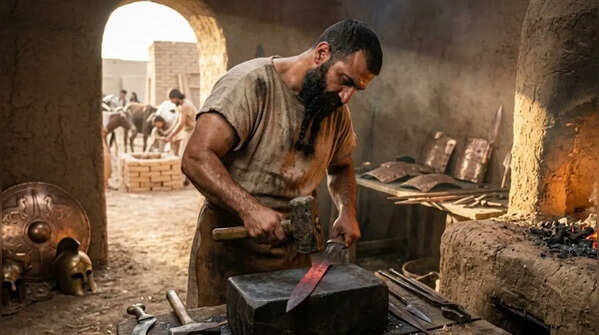
The Development of Bronze Weapons
The transition from the Stone Age to the Bronze Age brought about advancements in weaponry with the introduction of weapons made of bronze (copper and tin) being stronger, longer-lasting, and more easily sharpened than weapons made of stone. The creation of swords and armour through the advancements in metallurgy led to the emergence of the organised professional infantry of Mesopotamia and Egypt.
PC: Google Gemini
5/11
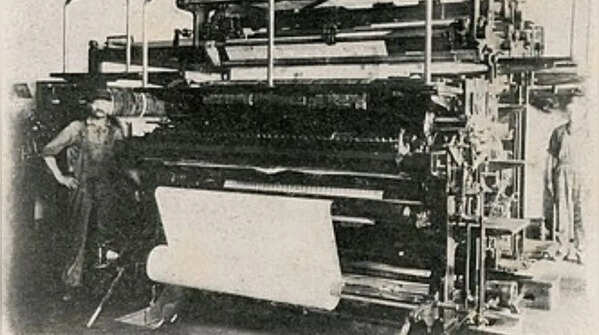
Printing Press and Military Communication
Gutenberg press changed the way armies operated, through the production of large quantities of standardized maps, manuals for drill procedures and, various tactical doctrine; this enabled armies with multiple division commanders in a country to all function under one set of command and operate in a way that mirrored the methods used by other divisions in the field, which was the basis for the Military Revolution.
PC: Wikipedia
6/11
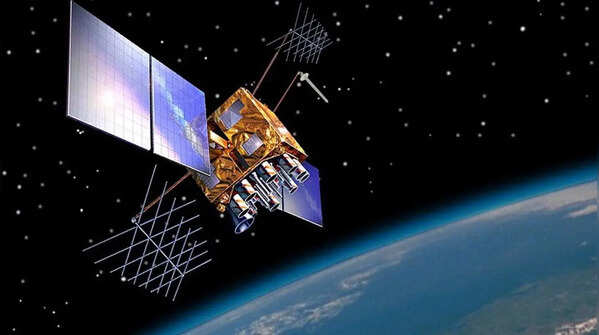
Satellites and GPS Technology
The GPS (Global Positioning System) uses multiple satellites to determine a location, along with atomic clocks that give very precise measurements of time. This system was originally designed for military use. Precision-guided munitions will allow for surgical strikes with little chance of collateral damage and will provide ground troops with superior situational awareness.
PC: Wikipedia
7/11
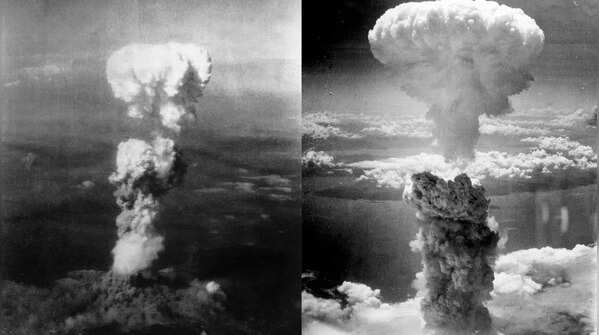
The Atomic Bomb
Applying theoretical nuclear physics to build a bomb, the Manhattan Project made use of fission or splitting the atom, to create a weapon that would create an incredible amount of destruction when dropped on Japan. Because of the scale of the destruction at both Hiroshima and Nagasaki, ‘Total War,’ a concept that resulted from this type of destruction, was introduced. Because of this new concept of 'Total War,' military doctrine shifted from ‘active combat’ to ‘nuclear deterrence' and 'Mutually Assured Destruction.'
PC: Wikipedia
8/11
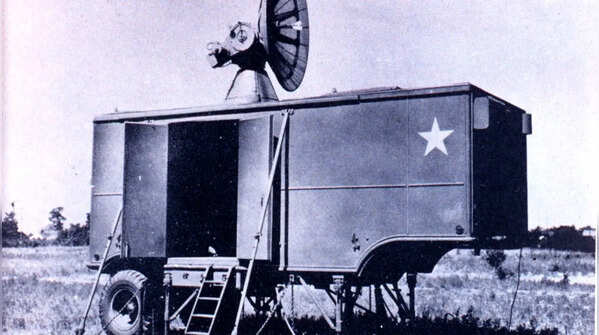
Radar Technology in World War II
Radar, or radio detection and ranging, is a system that uses electromagnetic energy to provide visibility to the user in situations where visibility would otherwise not be possible (such as in darkness or in a rainstorm). During World War II, the Chain Home radar network allowed the Royal Air Force (RAF) to conserve scarce resources by providing the RAF with the ability to detect German bombers before they reached Great Britain. This enabled the RAF to significantly alter its air defence strategies.
PC: Wikipedia
9/11
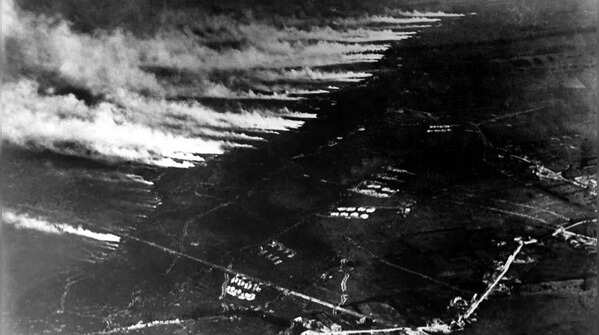
Chemical Warfare in World War I
The industrial development of chlorine, phosgene, and mustard gas was the first time that the periodic table was used as a weapon of mass destruction. Chemical warfare killed many men, but, due to the psychological terror created by chemical weapons and the rapid scientific innovation required to protect soldiers from chemical weapons (gas masks) as well as the possibility of being exposed to chemical weapons in the future, history will reflect that the introduction of chemical warfare had a profound impact on the manner in which warfare occurred after World War I.
PC: Wikipedia
10/11
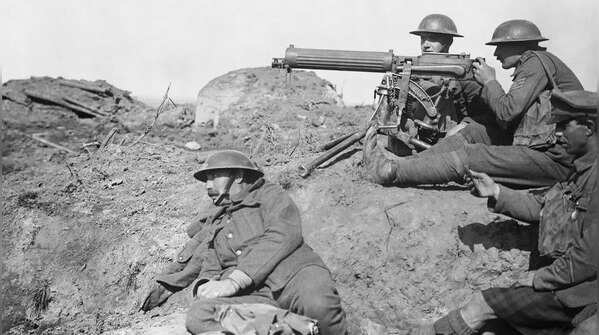
Machine Guns in World War I
Another major invention that changed warfare was the recoil-operated machine gun created by Hiram Maxim. This weapon allowed soldiers to shoot bullets and fire bullets with energy, causing the cartridge to be fired and thus allowing for the firing of another round into the weapon. The development of this weapon created a zone of death that supported defensive positions and helped perpetuate the horrible stalemate of trench warfare and the decline of cavalry as a viable offensive fighting force.
PC: Wikipedia

11/11
The Development of Rifled Barrels
Rifles work by spinning a projectile and providing a greater range of accuracy. Rifles also altered military tactics in the 19th century, whereby soldiers stopped fighting using bayonets and instead began shooting at each other from hundreds of feet away.
PC: Wikipedia
Follow Us On Social Media






 English (US) ·