
 4 weeks ago
25
4 weeks ago
25
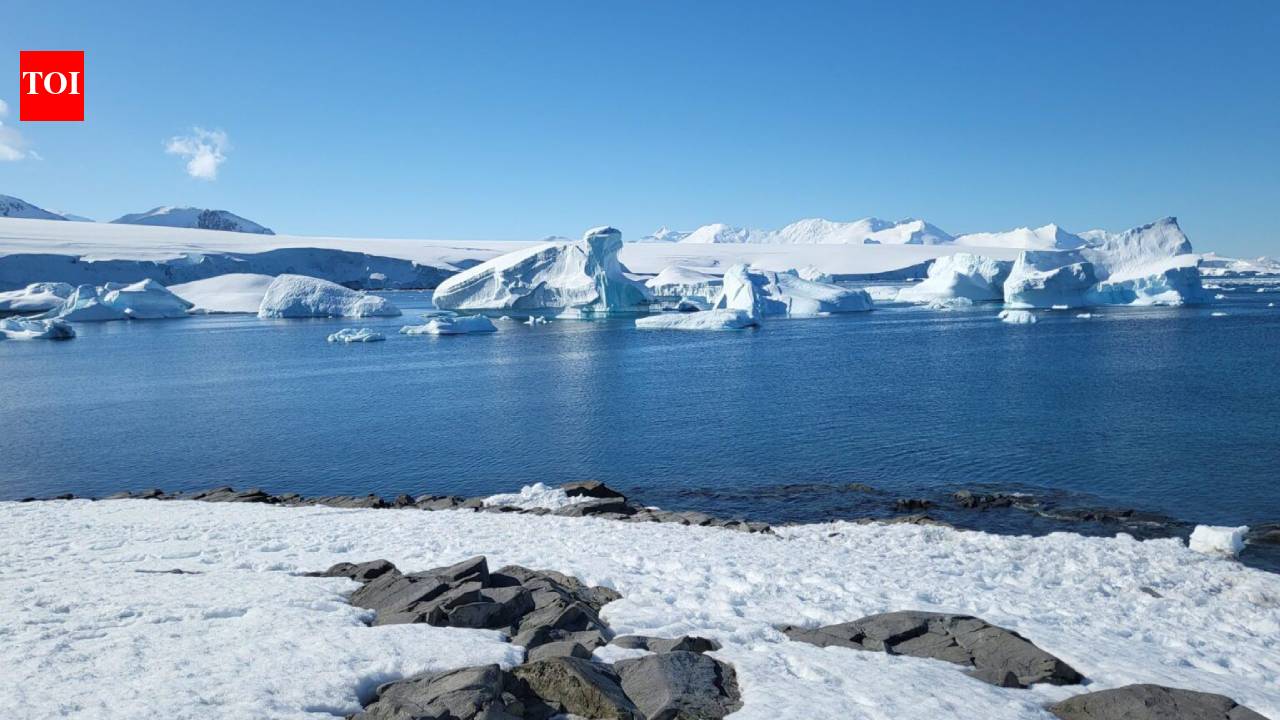
Until relatively recently, the Yukaghir people lived on the bleak, frozen tundra of northeast Siberia in the same way they had done for centuries, surviving on fishing, hunting, gathering and reindeer herding.Today, there are only 1,813 of them remaining, according to the latest census, after conquest, disease outbreaks and assimilation by Russian settlers as well as industrialisation during the Soviet era. Now, what is left of their traditional lifestyle is threatened by the changing climate.“Any fisherman knows when the best fishing is in his area, what time, where the fish are and when they bite best. This is knowledge of the natural rhythms associated with a particular spot,” Yukaghir elder Vyacheslav Shadrin told Al Jazeera.“Indigenous peoples also possess such knowledge, … and based on this, we developed our survival strategy. … ‘Tomorrow, we’ll be here. Then we’ll move on to some other place’ and so on. And this allowed us to exploit these natural resources effectively and in the most environmentally friendly and ecological manner.”But these weather cycles are no longer predictable, Shadrin said.“Most elders say that nature is playing tricks or deceiving us. They try to expl...
Related
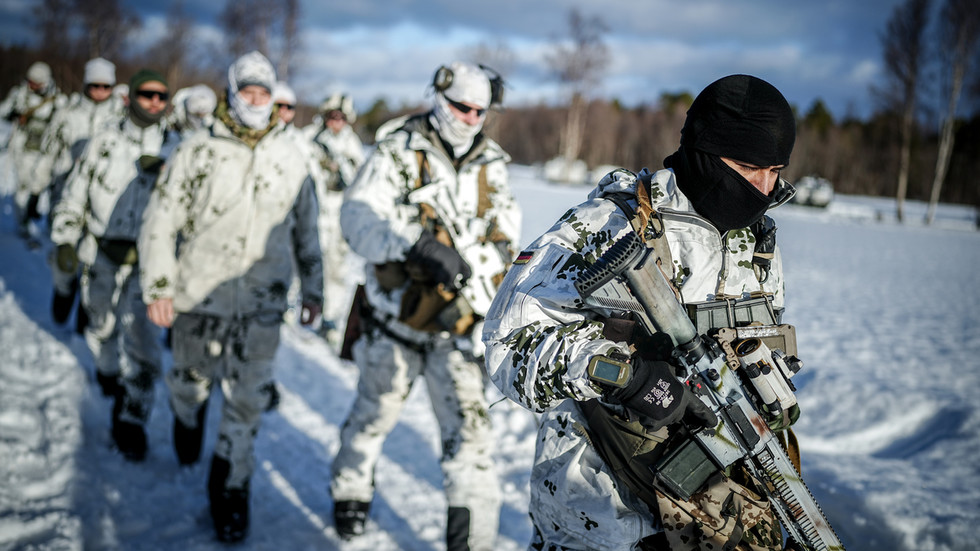
The EU is militarizing the Arctic. Here’s how it plans to do...
23 minutes ago
0

Malaysia offers to invite Myanmar leader in Rohingya repatri...
55 minutes ago
0


Popular

El Niño rains in Peru disrupt access to Machu Picchu
3 weeks ago
249


 English (US) ·
 © Clint's World News 2026. All rights are reserved
