
 1 month ago
24
1 month ago
24
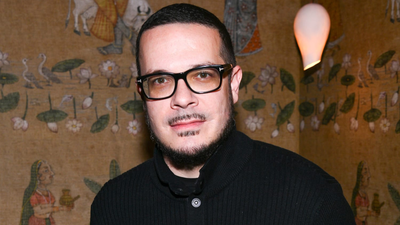
Shaun King, who describes himself as a US civil rights activist and has long been associated with Black Lives Matter, is facing renewed backlash after publicly supporting Bangladesh Jamaat-e-Islami during the recent Bangladesh general election.
Netizens labelled him a “fraud”, reviving years of accusations that he repeatedly inserts himself into complex political movements without sufficient understanding or accountability. King has previously faced criticism over factual inaccuracies, controversial fundraising efforts, and shifting positions across global causes. His endorsement of Jamaat-e-Islami, an Islamist party that rejects secular governance and advocates political authority rooted in Islamic law, further intensified doubts about his credibility, particularly due to the party’s downplaying and taking a softer stance on violence against Hindus in Bangladesh. King, who publicly converted from Christianity to Islam in 2023, has been criticised for aligning himself with a party whose hardline religious ideology, opposition to secularism, and controversial historical role clash sharply with his self-image as a progressive human rights campaigner.
Shaun King’s rise and record of controversy
Shaun King rose to prominence in the mid-2010s through social media activism focused on racial justice, policing, and inequality in the United States.
He built a large following by highlighting cases of alleged police brutality and systemic discrimination. His work brought him national attention and influence, particularly among progressive audiences.Despite often being described as a Black Lives Matter activist, King has never held a formal leadership role within the decentralised movement. Over time, he has remained a polarising figure. He has been accused of exaggeration, factual errors, and prioritising online activism over sustained organising.
Allegations surrounding fundraising transparency have also followed him for years and have contributed to scepticism about his role in progressive politics.
In a widely shared social media post addressed to “sisters and brothers in Bangladesh”, King praised the student-led uprising that led to the removal of former prime minister Sheikh Hasina in 2024. He described the 2026 election as a hard-won democratic moment and urged voters to participate and vote early.King then openly endorsed Dr Shafiqur Rahman and Jamaat-e-Islami. He expressed hope that Bangladeshis would support the party at the polls. The endorsement drew immediate attention because of Jamaat-e-Islami’s ideological stance and political history within Bangladesh.
Why did the post spark outrage
Much of the backlash stems from Jamaat-e-Islami’s past and its ideological position. Critics point to the party’s opposition to Bangladesh’s 1971 independence and allegations that some of its leaders collaborated with Pakistan during the liberation war.
The party has also been accused of links to political violence, which it denies, and is widely known for opposing secular state principles.For many Bangladeshis King’s endorsement appeared to ignore this historical and ideological context. Critics questioned how a US activist known for advocating human rights and social justice could support a party viewed as socially conservative and religiously hardline.These election was Bangladesh’s first national vote since Hasina’s ouster. The Bangladesh Nationalist Party secured a landslide victory with 209 seats. Jamaat-e-Islami won 68 seats and emerged as a key ally in the new opposition-led parliament. The result marked a decisive shift away from the former ruling establishment and towards coalition politics.
Why Shaun King is trending
King is trending not because of the election outcome but because his endorsement reopened debates about his credibility and role as an activist. Critics revived earlier accusations that he selectively supports causes without fully understanding local histories or consequences. Others questioned whether foreign activists should publicly intervene in elections outside their own countries.Online reactions also reflected broader frustration with performative global activism. Many argued that King’s post reduced Bangladesh’s complex political history to a simplified narrative of resistance and change.






 English (US) ·