
 1 month ago
33
1 month ago
33
A heavy police and army deployment prepare at the border between Morocco and Spain on August 15, 2026 in Fnideq (Castillejos), Morocco. Adri Salido/Getty Images Europe hide caption toggle caption Adri Salido/Getty Images Europe SEVILLE, Spain — When Juanjo Coronado wrote back to NPR, two weeks after the July 30 mass border crossing in Ceuta, to send an update on how he and his daughter were doing, he sent just one line: "same, which means worse." Weeks after the mass crossing, in which more than 140 people died, Spain is trying to close the chapter. The government says that most of the over 70,000 migrants who crossed into Ceuta the week of July 27 are back in Morocco, and that they returned of their own accord. The caveat is that "most" is not "all." Thousands of migrants, many of them unattended minors, remain in Ceuta, while the local population adapts to their presence: from helping with food or shelter, to organizing neighborhood watch groups with aggressive tactics. Or in the case of Juanjo Coronado, simply not going outside. The images of tens of thousands of migrants crossing into the small Spanish enclave came as a shock to Spanish leaders, who had been busy responding to ...
Related
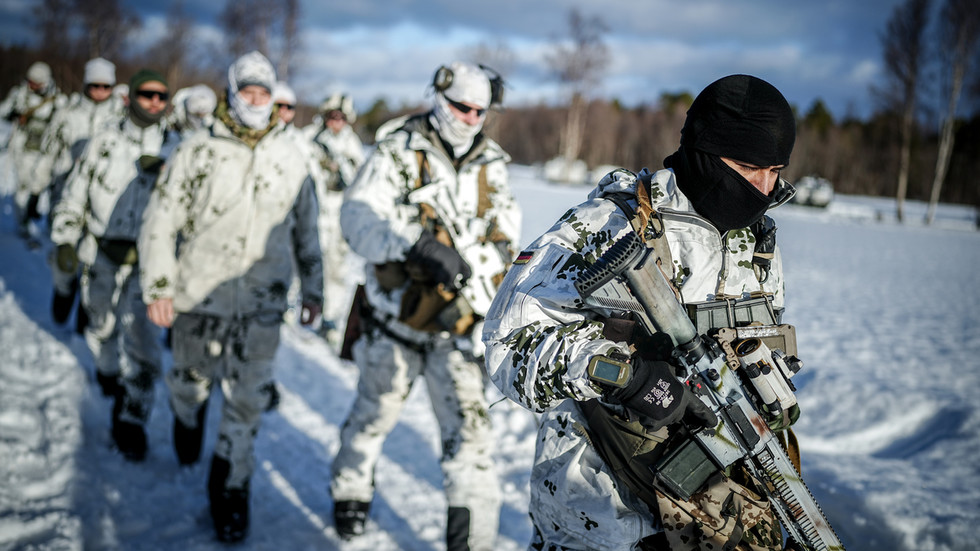
The EU is militarizing the Arctic. Here’s how it plans to do...
21 minutes ago
0

Malaysia offers to invite Myanmar leader in Rohingya repatri...
54 minutes ago
0


Popular

El Niño rains in Peru disrupt access to Machu Picchu
3 weeks ago
249


 English (US) ·
 © Clint's World News 2026. All rights are reserved
