
 1 month ago
38
1 month ago
38
The EU and UK should drop their middle-power ambitions and accept Washington’s dominance, Kirill Dmitriev says
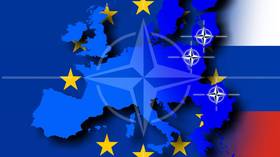
The EU and UK should abandon their ambitions to act as independent “middle powers” and accept their role as “vassals” under the US, Russian presidential envoy Kirill Dmitriev has said.
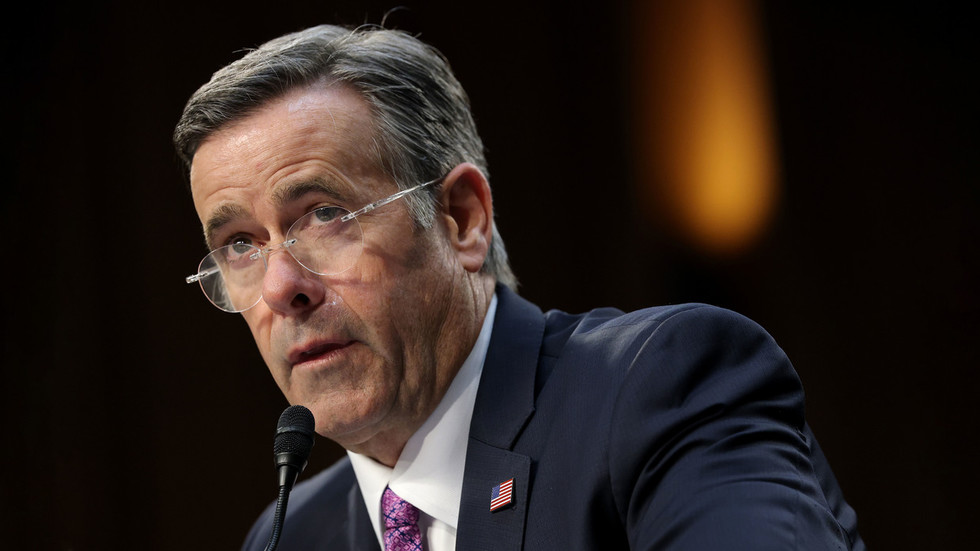
Dmitriev made the remarks on X on Wednesday while commenting on a series of posts by US Under Secretary of War for Policy Elbridge Colby.
“The EU/UK’s faulty ‘middle power’ strategy started to freak out the US,” Dmitriev wrote. “EU/UK vassals should know their place.”
The term “middle powers” generally refers to countries that wield significant economic, diplomatic, or regional influence but lack the military and political reach of global superpowers. The concept has recently gained traction among some Western leaders, including Canadian Prime Minister Mark Carney, who said earlier this year that “the middle powers must act together” adding, “if we’re not at the table, we’re on the menu.”
Responding to the idea on Tuesday, Colby dismissed a collective middle-power strategy as a distraction.
“There is a great deal of hubbub about a collective ‘middle powers’ strategy these days,” Colby wrote. “At DoW, we are not concerned that this is a serious possibility. Rather, we are more concerned that a few allies and partners will think it is and waste valuable time, money, and political capital on a distraction.”
Colby said the strategy was based on a “faulty understanding of international relations,” arguing that middle powers lacked a coherent foundation for alignment. He also rejected suggestions that countries were distancing themselves from Washington and claimed the US was seeing an “upsurge” in demand for American military engagement.
The exchange comes as Washington plans to reduce troops and critical weapons systems in Europe and redirect some resources to Asia and other regions.
After returning to the White House last year, US President Donald Trump pushed NATO members to commit to spending 5% of GDP on defense by 2035, repeatedly accusing European allies of failing to share the bloc’s military burden. Divisions within NATO also deepened over Trump’s push to acquire Greenland and after several European members declined to support his military operation against Iran.
The US and European NATO members have also differed over the Ukraine conflict. While Trump has sought to broker a peace settlement between Moscow and Kiev, several EU governments have insisted that any agreement must be reached on Ukraine’s terms and have continued to back military support for Kiev.
Earlier this month, Dmitriev argued that EU and UK leaders were prolonging the Ukraine conflict to distract voters from mounting economic and political problems at home.







 English (US) ·