
 6 days ago
32
In 2011, the United States spent $861 million inspecting travellers and cargo for agricultural pests, but fees collected left a shortfall of more than $325 million. The funding gap stemmed partly from federal laws restricting which passengers and transport operators could be charged, alongside weaknesses in fee collection and differences between agency costs and revenue. According to the Government Accountability Office (GAO), the programme, jointly administered by the US Department of Agriculture and Customs and Border Protection, aims to intercept foreign agricultural pests and prevent prohibited materials from entering the country. Later reforms addressed some gaps, but legal restrictions remained.Why did US agricultural inspection fees fall short of costsThe GAO identified restrictions on the government’s fee-setting authority as one of the reasons for the shortfall. APHIS could not charge every person entering the United States, including pedestrians, under its authority. The agency was unable to recover the costs of those inspections by charging other parties. The report further identified commercial buses, private vessels and private aircraft as categories for which the exis...
Related




Brazil's Lula wins presidential election in runoff vote
8 hours ago
12

Real Madrid beat Barcelona 2-1 at Camp Nou to halve gap to L...
11 hours ago
11
Popular

Two Houthi missiles target Yemen’s Aden International Airpor...
2 weeks ago
538

JPMorgan makes bullish call in fixed income space, suggests ...
2 weeks ago
424

Oil prices rise as Chinese refiners reportedly ban October f...
3 weeks ago
410
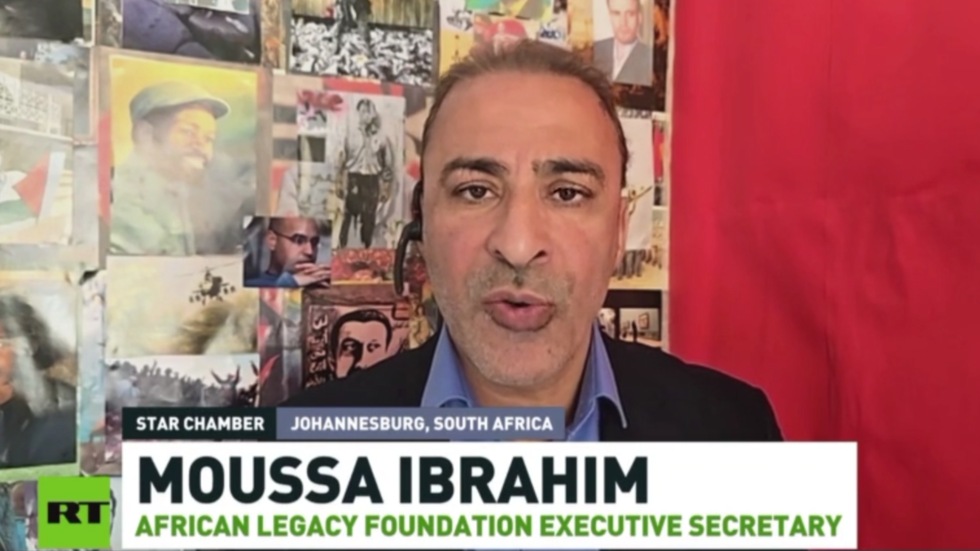
ICC ignored ‘very well-documented’ NATO crimes – ex-Libyan m...
2 weeks ago
378

Intel, Broadcom CEOs warn capital crunch could become AI's b...
2 weeks ago
364
 English (US) ·
© Clint's World News 2026. All rights are reserved
