
 1 month ago
28
1 month ago
28
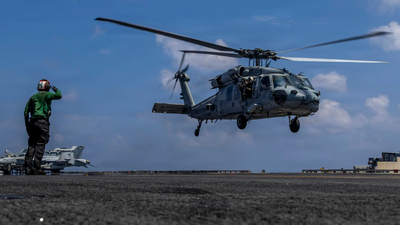
The US military shot down an Iranian drone near an American aircraft carrier early Tuesday, heightening tensions between Washington and Tehran just as both sides were preparing for possible diplomatic talks later this week.US Central Command said the drone “aggressively approached” a US Navy aircraft carrier just before sunrise Tuesday with “unclear intent.” The incident unfolded hours after Iran’s president signaled a willingness to negotiate with the United States.
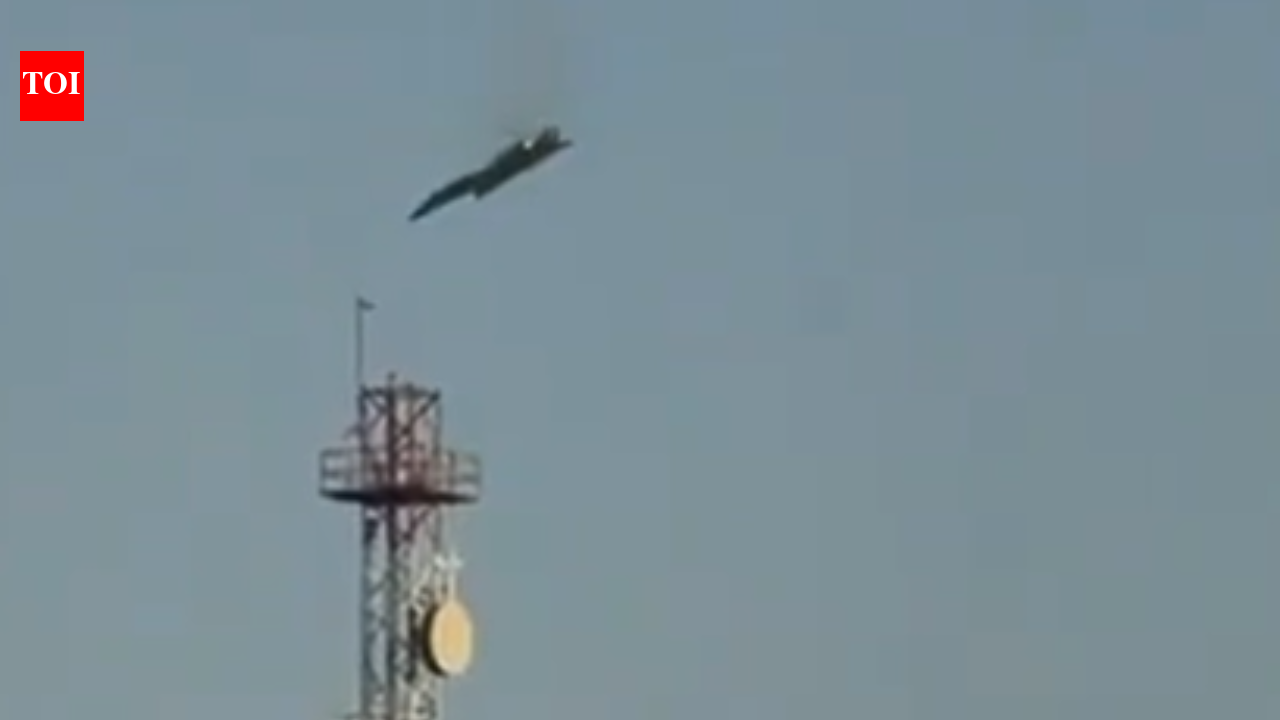
US F-35C downs Iranian Shahed-139 drone
The drone continued flying toward the ship despite “deescalatory measures taken by US forces operating in international waters,” Central Command spokesman Capt.
Tim Hawkins said.An F-35C fighter jet from the USS Abraham Lincoln shot down the Shahed-139 drone. The aircraft carrier was sailing about 500 miles (805 kilometers) from Iran’s southern coast at the time, Hawkins said.
Second maritime incident reported
Later Tuesday, Iran’s Islamic Revolutionary Guard Corps forces harassed a merchant vessel flying the American flag and carrying an American crew, according to Central Command.Two boats and an Iranian Mohajer drone approached the Stena Imperative “at high speeds and threatened to board and seize the tanker,” Hawkins said.
The British military’s United Kingdom Maritime Trade Operations center said the incident appeared to have occurred in Iranian territorial waters. Iran had warned in recent days that the paramilitary Revolutionary Guard would conduct naval drills.The US destroyer USS McFaul responded and escorted the Stena Imperative with defensive air support. Central Command said the vessel is now sailing safely.
Iran signals shift toward negotiations
Earlier Tuesday, Iranian President Masoud Pezeshkian said he instructed Foreign Minister Abbas Araghchi to “pursue fair and equitable negotiations” with the United States.The statement marked a significant turn for Pezeshkian, a reformist who has warned for weeks that unrest in Iran had moved beyond his control. It also suggested backing from Supreme Leader Ayatollah Ali Khamenei, who has previously dismissed talks with Washington.
White House confirms planned talks
White House press secretary Karoline Leavitt confirmed that US special envoy Steve Witkoff has been planning to hold talks with Iranian officials in Turkey later this week, marking the first direct acknowledgment by the White House.“These talks, as of right now, are still scheduled,” Leavitt said when asked whether the drone incident could affect the plans.“President Trump is always wanting to pursue diplomacy first, but obviously it takes two to tango,” she said. “You need a willing partner to achieve diplomacy and that’s something that special envoy Witkoff is intent on exploring and discussing.”
Turkey and regional states involved
Turkey has been working behind the scenes to facilitate the talks as Witkoff travels through the region.
A Turkish official said the location of the talks remained uncertain but that Turkey was prepared to support the process.Foreign ministers from Oman, Pakistan, Qatar, Saudi Arabia and the United Arab Emirates have also been invited to attend, according to an official who spoke on condition of anonymity.
Nuclear issue remains central
The prospects for an agreement remain unclear, particularly as US President Donald Trump has added Iran’s nuclear program to a list of demands.Trump ordered the bombing of three Iranian nuclear sites during the 12-day war Israel launched against Iran in June.“Right now, we’re talking to them, we’re talking to Iran, and if we could work something out, that’d be great,” Trump said Monday. “And if we can’t, probably bad things would happen.”








 English (US) ·