
Representative Image (AI-generated) Deep beneath the surface of Lake Ontario, a layer of naturally cold water has become an unlikely part of Toronto’s urban infrastructure. Instead of relying entirely on conventional air-conditioning systems to cool its downtown buildings, the Canadian city uses the lake’s cold temperature as a source of cooling energy. According to a report by the Daily Commercial News, water drawn from about 83 metres below the surface was being used as part of a district cooling network serving buildings in Toronto’s downtown core. What started more than two decades ago has since grown into one of North America’s largest district energy systems. Today, the network serves around 200 buildings and more than 40 million square feet of downtown real estate, including offices, hospitals, hotels, condominiums, educational institutions and data centres.A 2004 cooling experimentToronto-based Enwave had begun using its Deep Lake Water Cooling (DLWC) system to cool buildings in the downtown core. The report explained that the system drew water from a permanently cold layer about 83 metres beneath Lake Ontario and described it as the largest renewable lake-source cooling sy...
Toronto uses cold water from 83m beneath Lake Ontario to cool 200 buildings across downtown
 1 month ago
37
1 month ago
37
Related
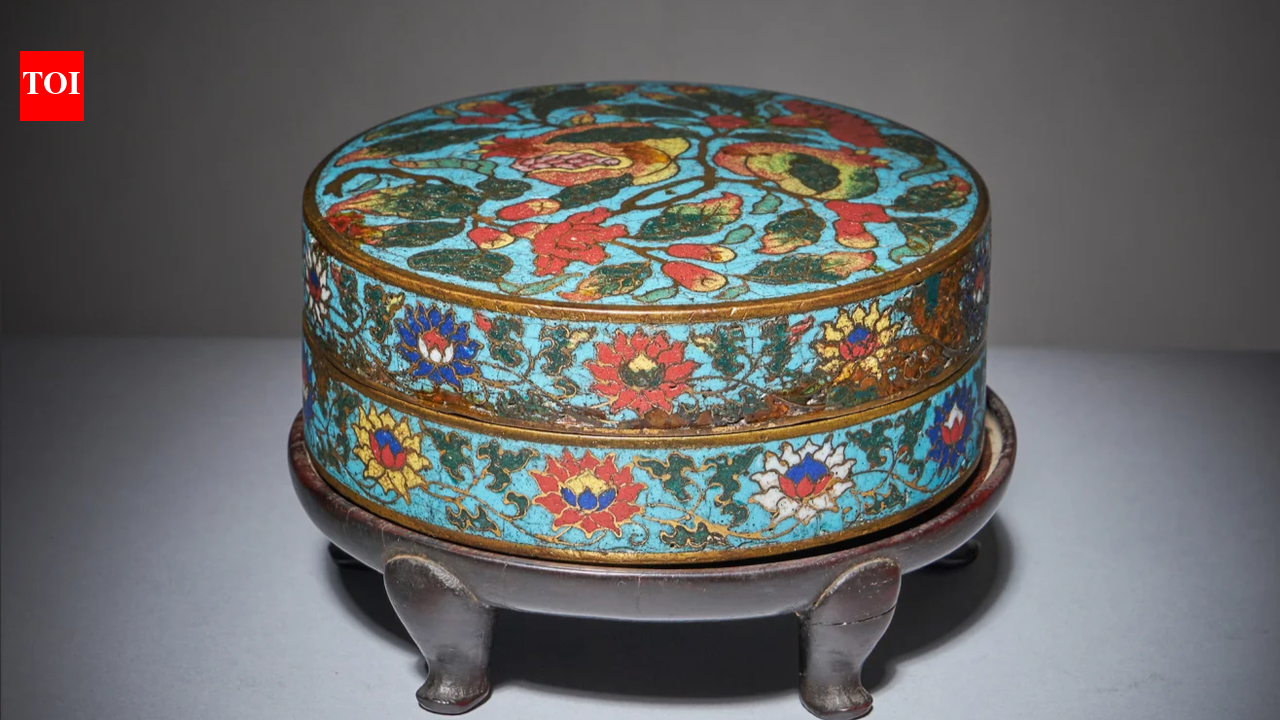
Rare Ming dynasty pomegranate box bought for £19 in 1946 sel...
10 hours ago
11

10/11: Face The Nation
11 hours ago
10

Brazil's Lula accuses social media giant Meta of election in...
12 hours ago
12

Sweet protein brazzein shows promise in reducing blood sugar...
13 hours ago
12

Tattoo ink vanishes in sunlight, stays switchable in skin fo...
14 hours ago
15
Popular



 English (US) ·
 © Clint's World News 2026. All rights are reserved
