
Representative Image (AI-generated) What if the best way to understand a 2,000-year-old burned scroll is to make one yourself and set it on fire? Scientists did just that to investigate how writing might be recovered from carbonised papyrus scrolls buried by the eruption of Mount Vesuvius. In a study published in PLOS ONE, researchers created modern papyrus scrolls, wrote on them with ink containing different amounts of lead and then carbonised them in a low-oxygen environment. The experiments showed that leaded ink could stand out dramatically in X-ray scans, offering a possible way to identify ancient scrolls whose hidden writing may be recoverable.Recreating a disaster from antiquityThe experiment was designed around one of archaeology's most difficult collections: the Herculaneum scrolls. When Mount Vesuvius erupted in 79 CE, volcanic material overwhelmed Herculaneum, an ancient Roman town near modern Naples, Italy. Among the material buried was a library containing more than a thousand papyrus scrolls.The extreme heat did not simply destroy the scrolls. Instead, it carbonised them, turning the papyrus into fragile, blackened objects. The process preserved the scrolls in a seve...
To read 2,000-year-old Vesuvius scrolls, Berkeley scientists burned student-written papyrus; leaded ink stood out in X-rays
 3 weeks ago
42
3 weeks ago
42
Related
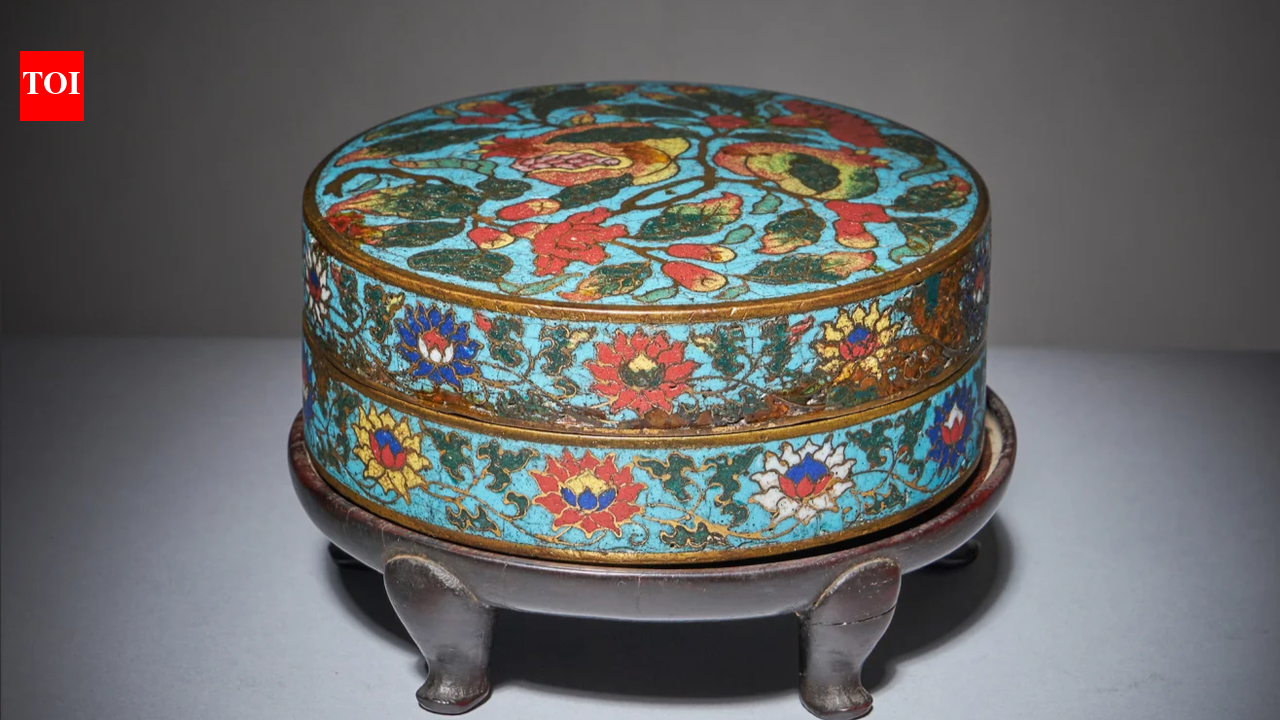
Rare Ming dynasty pomegranate box bought for £19 in 1946 sel...
10 hours ago
11

10/11: Face The Nation
11 hours ago
10

Brazil's Lula accuses social media giant Meta of election in...
12 hours ago
12

Sweet protein brazzein shows promise in reducing blood sugar...
13 hours ago
12

Tattoo ink vanishes in sunlight, stays switchable in skin fo...
14 hours ago
15
Popular



 English (US) ·
 © Clint's World News 2026. All rights are reserved
