
 4 weeks ago
46
4 weeks ago
46
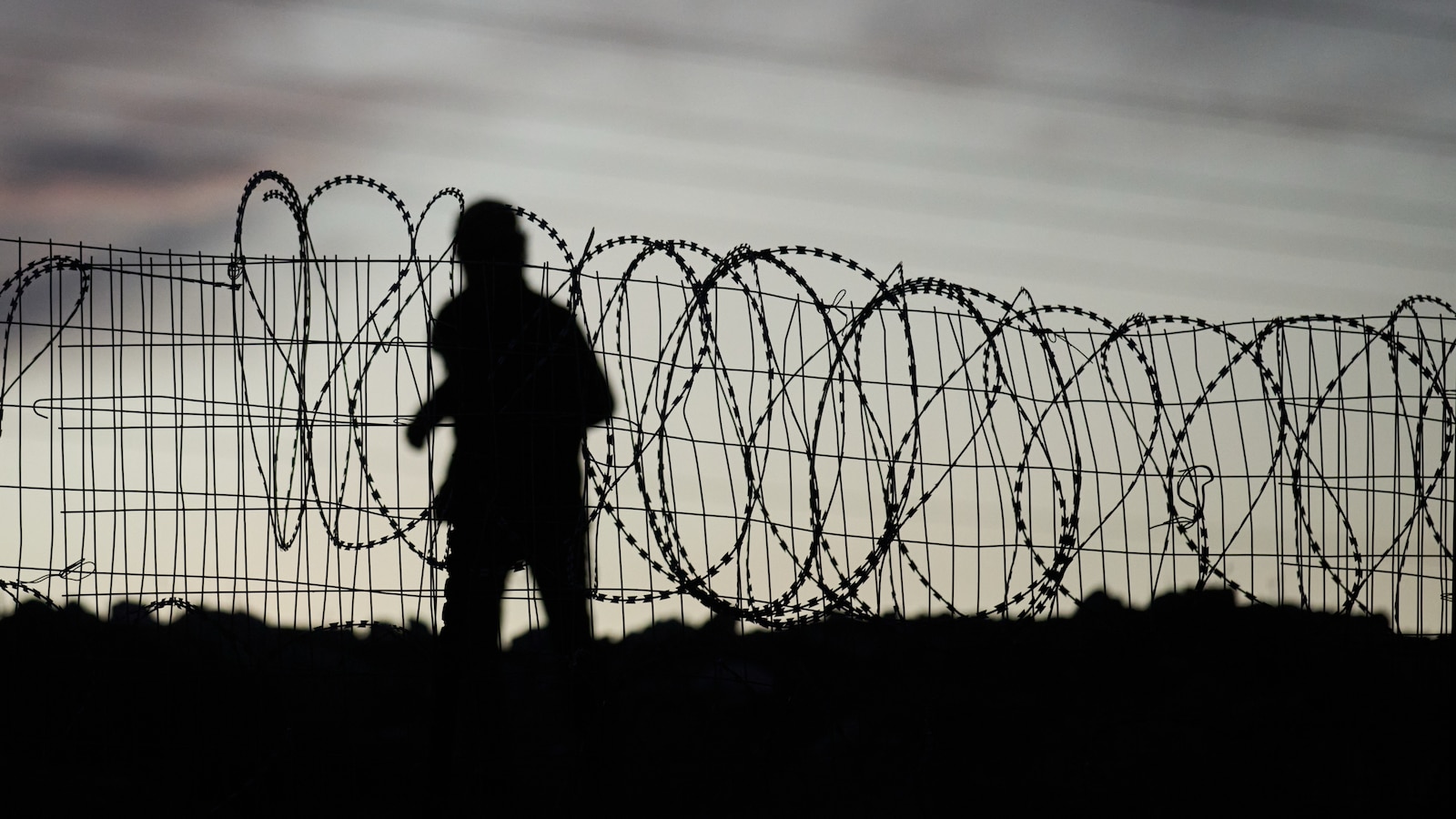
NATO’s eastern flank demands stronger guarantees against Russia, but escalation could turn Eastern Europe into the battlefield of a wider war We have come to regard the countries of Eastern Europe as the most conflict-prone and volatile part of the political landscape surrounding Russia, and there are grounds for this view. Immediate neighbors often have the most difficult relationships because the more points of contact there are, the more opportunities for friction, and in Russia’s case, geopolitical logic is reinforced by considerable historical experience of invasion, which means Russia has traditionally sought to ensure that no serious threat can emerge from neighboring countries and that its immediate surroundings remain predictable.This predictability has been secured in different ways over the centuries, sometimes through direct annexation and sometimes through indirect forms of control. Russia’s western neighbors are small in comparison with it, and their policies have often been driven by fear of their much larger neighbor, whether justified or not.The acute military and political crisis that began in 2022 seems to confirm that stability between Russia and the rest of Eas...
Related


Popular


Oil prices rise as Chinese refiners reportedly ban October f...
2 weeks ago
243

OpenAI fires workers for mishandling 'sensitive information'...
2 weeks ago
231

CNBC Daily Open: Three’s a crowd: U.S. carrier buildup in Mi...
2 weeks ago
227

Meet the seventh-grader who found psyllium could remove 93.3...
2 weeks ago
218
 English (US) ·
 © Clint's World News 2026. All rights are reserved
