
Wars have been fought over land, over succession, over a woman said to have launched a thousand ships toward Troy. Opium got its own war twice, in 1839 and again in 1856, but not the kind that name suggests. Britain went to war for the right to keep selling opium into China, after the Qing government tried to ban it and started burning British stockpiles in Canton harbour. China lost both wars, and lost control of its own opium market for the following century.Afghanistan has just tried to stage the same fight, but in reverse. In April 2022, Mullah Haibatullah Akhundzada announced a religious decree banning opium poppy cultivation across the country, not a foreign power forcing a drug in, but the government in power trying to force it out of an economy that had run on it for decades.Following the decree, opium poppy cultivation fell by 95 percent by 2023, from 233,000 hectares in 2022 to roughly 10,800, according to the UN Office on Drugs and Crime's annual opium survey. Afghanistan had supplied 80 to 90 percent of the world's opium before the ban, and an estimated 95 percent of the heroin sold in Europe.That collapse in cultivation was widely reported. What's gone largely unreport...
The Taliban's Trojan horse: What really happened after Afghanistan's opium ban
 3 weeks ago
24
3 weeks ago
24
Related
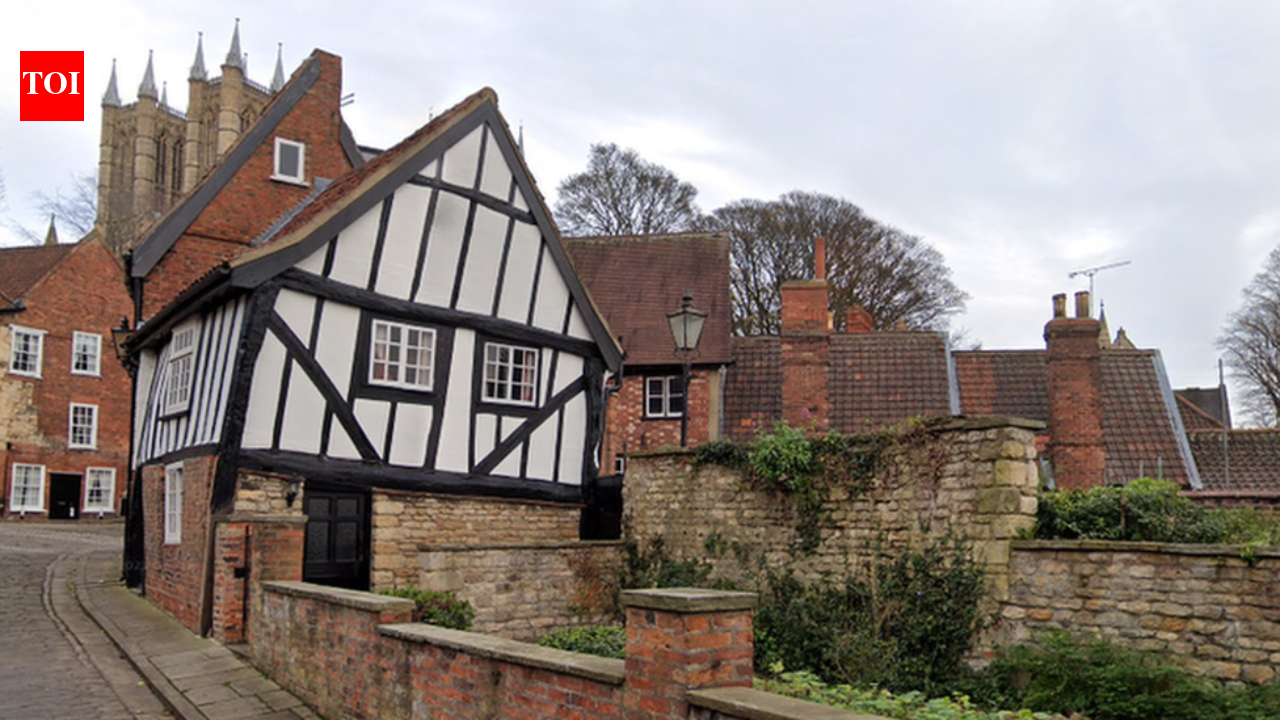
In 1933, Lincoln's Crooked House was marked for demolition; ...
45 minutes ago
1


Popular

World’s 10 most powerful militaries ranked - UK not in top 5...
4 weeks ago
103

 English (US) ·
 © Clint's World News 2026. All rights are reserved
