
On May 11, 2022, Anna Moriah “Mo” Wilson—a rising star in the world of professional gravel cycling—was found dead in a friend’s home in Austin, Texas, fatally shot just hours after spending the evening with a fellow cyclist. She was 25.
Years later, the case returns to the spotlight with The Truth and Tragedy of Moriah Wilson, a new documentary premiering April 3 on Netflix. Directed by Emmy-winner Marina Zenovich (I’m Chevy Chase and You’re Not) and produced by Academy Award–winner Evan Hayes (Free Solo), the film revisits the highly publicized investigation and trial—but focuses mainly on Wilson, exploring her life and her community, and the lasting impact of her death.
“We wanted to make the film about her and her journey,” says Zenovich. “To focus on her family and friends, and what they were going through—their grief, and how they processed it. The crime was something that we had to include, because you can't tell the story without what happened.”
Here’s what to know about the real story behind The Truth and Tragedy of Moriah Wilson.
Who was Moriah Wilson?
Born in New Hampshire and raised in Vermont, Moriah grew up in a close-knit, athletic family. Her parents, Karen and Eric Wilson, and her brother Matt Wilson supported her deeply throughout her life. She attended Dartmouth College, where she earned a degree in engineering and competed as part of the school’s alpine ski team.
After injuries cut short her skiing ambitions, she turned to cycling—quickly emerging as one of the sport’s most promising talents. Within just a few seasons of competing, Wilson rose to the top ranks of gravel racing in the United States.
Beyond her athletic achievements, those who knew Wilson remember a deeply driven and generous person. The documentary highlights her love for community, her friendships, and her plans to build spaces that would bring people together through cycling.
“She was a young woman who was kind of on the cusp, she had found what she loved to do. And she was incredibly good at it,” says Zenovich.
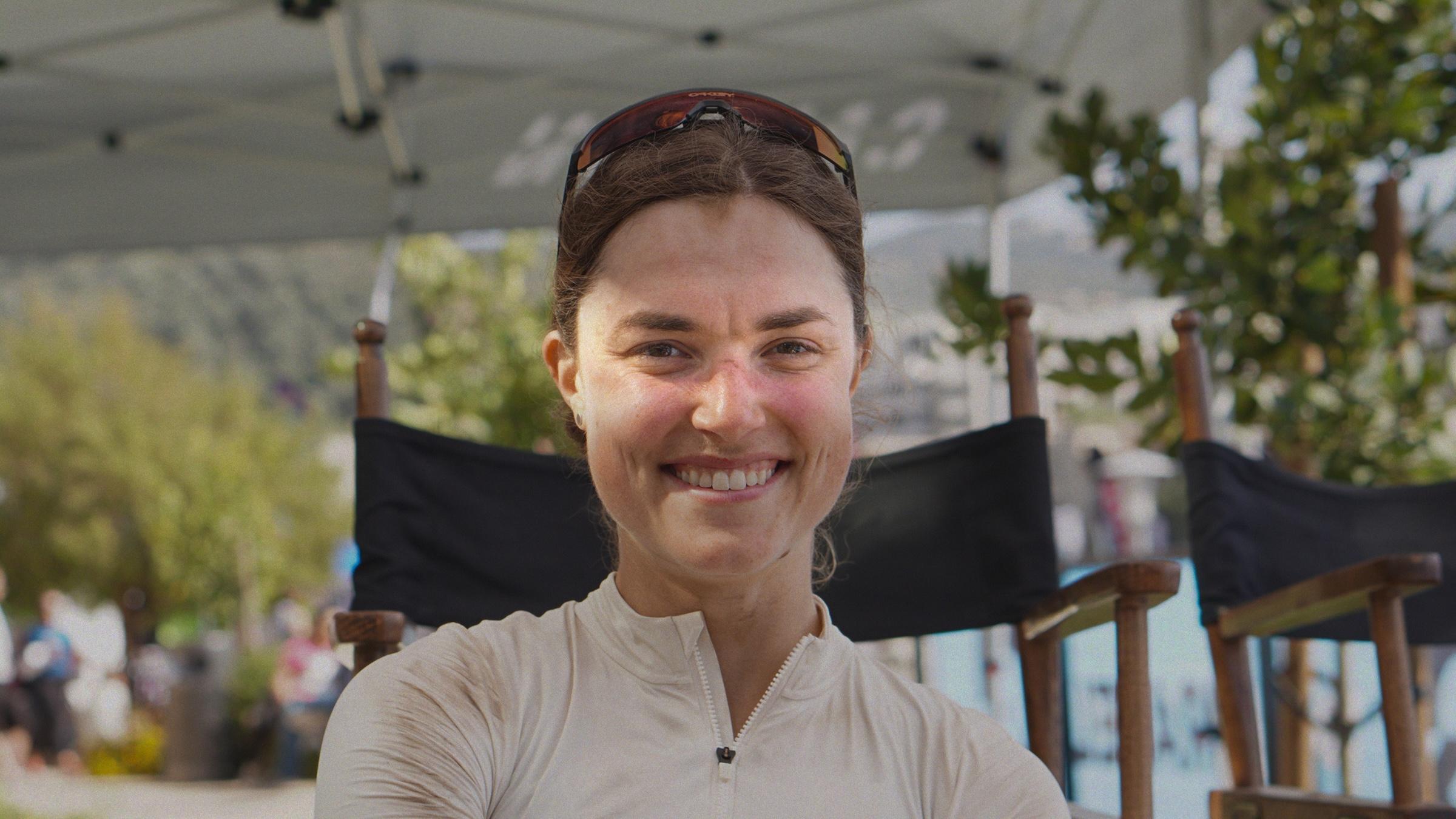
Moriah Wilson Courtesy of Netflix
What happened on May 11, 2022?
On the night of May 11, Wilson was staying at a friend’s home in Austin as she prepared for the Gravel Locos race, a major event she was widely expected to win. That evening, she went swimming and had dinner with fellow professional cyclist Colin Strickland, with whom she briefly shared a romantic relationship.
At approximately 9:54 p.m., Wilson’s friend Caitlin Cash returned home and found her unresponsive on the bathroom floor. In a 911 call included in the documentary, Cash can be heard pleading for help, describing the scene and attempting CPR under the operator’s guidance.
Police quickly determined that Wilson had been shot multiple times. There were no signs of forced entry or struggle, suggesting she may have known her attacker.
The investigation and the suspect
As detectives from the Austin Police Department began piecing together Wilson’s final hours, attention turned to Colin Strickland—and, soon after, to his on-and-off girlfriend, Kaitlin Armstrong.
Surveillance footage captured a black SUV—later identified as Armstrong’s Jeep—near Cash’s home shortly before the shooting. Ballistics evidence would later link the murder weapon to a firearm that Strickland had purchased for Armstrong.
Investigators also uncovered a pattern of jealousy. Armstrong had previously confronted Wilson about her relationship with Strickland, and had warned her to stay away from him. According to testimony and digital evidence presented at trial, she allegedly monitored communications between the two.
Crucially, GPS data from Armstrong’s vehicle helped investigators reconstruct her movements that night, placing her at the scene. Audio from a nearby security camera captured what prosecutors described as the moment of the crime: two gunshots, followed by a pause, then a third.
A 43-day manhunt
On May 17, authorities issued an arrest warrant for Armstrong, who had already fled the country. She traveled through multiple cities using a fraudulent passport before arriving in Costa Rica, where she altered her appearance through plastic surgery and attempted to start a new life under a different identity.
The search quickly became international, involving federal agents and U.S. Marshals. Investigators tracked her through financial activity, surveillance footage, and, eventually, a tip about her location that linked to her background as a yoga instructor. Knowing she was likely in Santa Teresa, Costa Rica, but struggling to locate her, authorities placed a fake job advertisement seeking a yoga teacher—an effort that ultimately helped lead them to Armstrong. She was arrested on June 29, 2022, in Santa Teresa, after 43 days on the run.
The trial and conviction
Armstrong's trial began on Oct. 30, 2023, in Austin. Over several weeks, prosecutors laid out a detailed timeline of the night of the murder, drawing on surveillance footage, GPS data, and forensic analysis to place her at the scene.
According to the prosecution, Armstrong dragged Wilson’s bicycle away from the home after the shooting and discarded it nearby, where it was later recovered by police. DNA evidence linked Armstrong to the bike, reinforcing the prosecution’s timeline.
The documentary shows how one of the most powerful moments of the trial, Wilson’s bicycle was presented in court, underscoring both the forensic case and the emotional weight of the loss. “It still had her helmet kind of hanging off to the side and just like she would have put it there after a ride. And it really kind of quieted the entire courtroom. The family was deeply affected by that moment,” says Hayes. “It was like, not that she was there, but the thing that was most special to her, that represented her, was just sitting there in the courtroom among all these people who both cared about her or were involved in what happened to her.”
On Nov. 16, 2023, a jury found Armstrong guilty. She was sentenced to 90 years in prison, with the possibility of parole after 30 years. In the lead-up to her trial, she briefly escaped custody during a medical transport but was quickly recaptured, adding another dramatic turn to the case. Her conviction has since been upheld on appeal.
Armstrong is currently serving her sentence at the Dr. Lane Murray Unit, a women’s prison located in Gatesville, Texas.
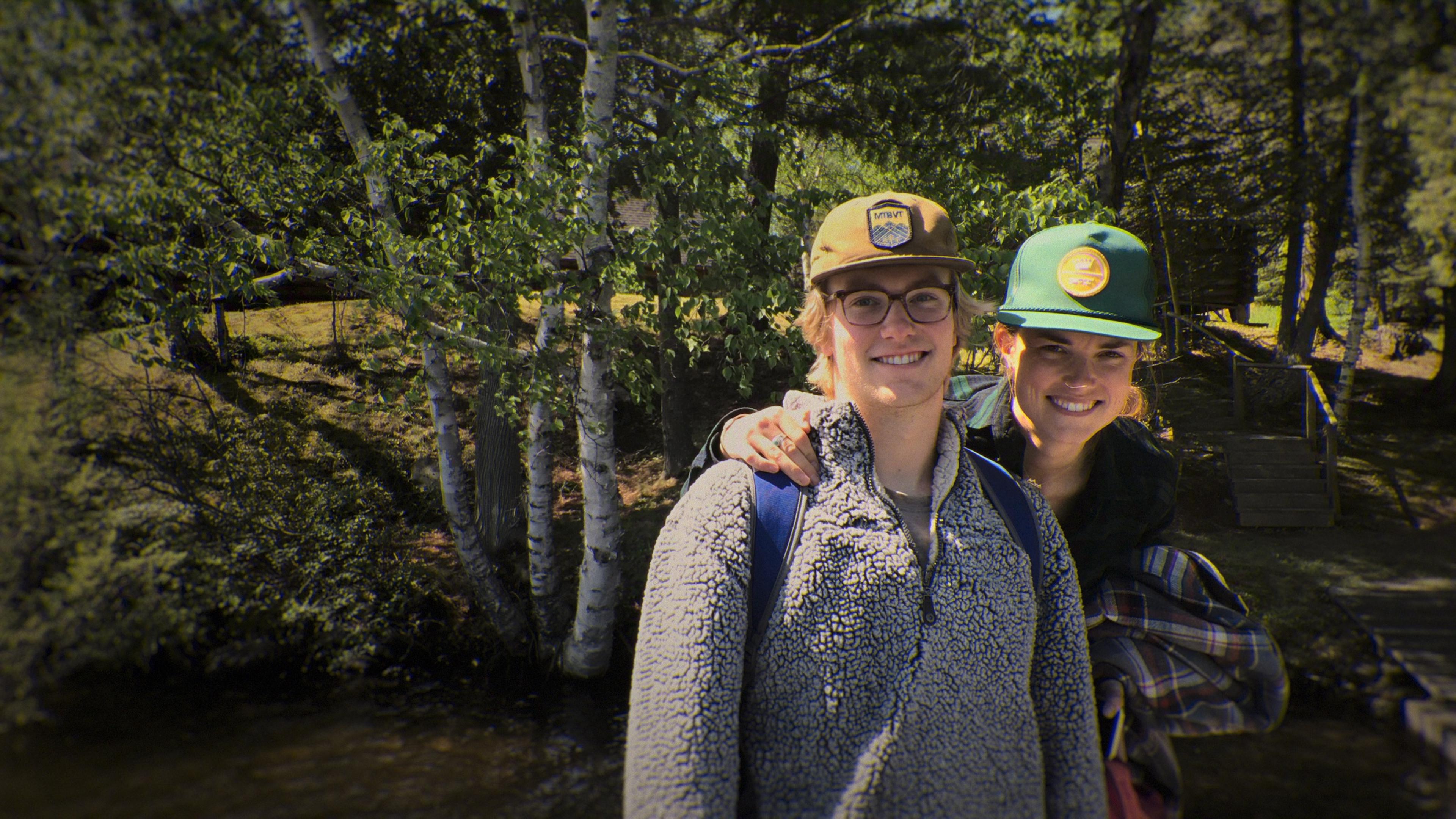
Matt Wilson and Moriah Wilson Courtesy of Netflix
What does the documentary add?
While the case dominated headlines in 2022, The Truth and Tragedy of Moriah Wilson deliberately reframes the narrative. Rather than focusing on Armstrong’s story, the film foregrounds the voices of Wilson’s family, friends, and fellow cyclists, exploring how grief reshaped their lives in the aftermath of her death.
Through interviews, archival footage, and courtroom material, the documentary reconstructs both the investigation and the emotional toll left behind. As Hayes explains, “probably the biggest challenge was getting the Wilsons to participate and to feel comfortable and trusting of us as partners.”
“There were some challenges in terms of getting people to relive this trauma and engage with the story of Moriah, not because they want to forget it, but because remembering it is so emotional,” he adds.
For those closest to her, the loss remains immeasurable—but so does her impact. In the years since her death, Wilson’s family has worked to preserve her legacy. In 2023, they established the Moriah Wilson Foundation, which supports community-building initiatives and expands access to outdoor sports. The family has also organized a race in her honor—one of the final moments highlighted in the documentary.
Hayes says the film ultimately seeks to restore a fuller picture of Wilson as a person. He recalls a moment when her father, Eric Wilson, speaks after the verdict, reaffirming “basic values about friendship and community and honesty and behavior.” In that sense, Hayes says, the documentary is also a reminder of “how to treat your neighbor, how to be a part of a community, that violence is never the answer.”




 English (US) ·