
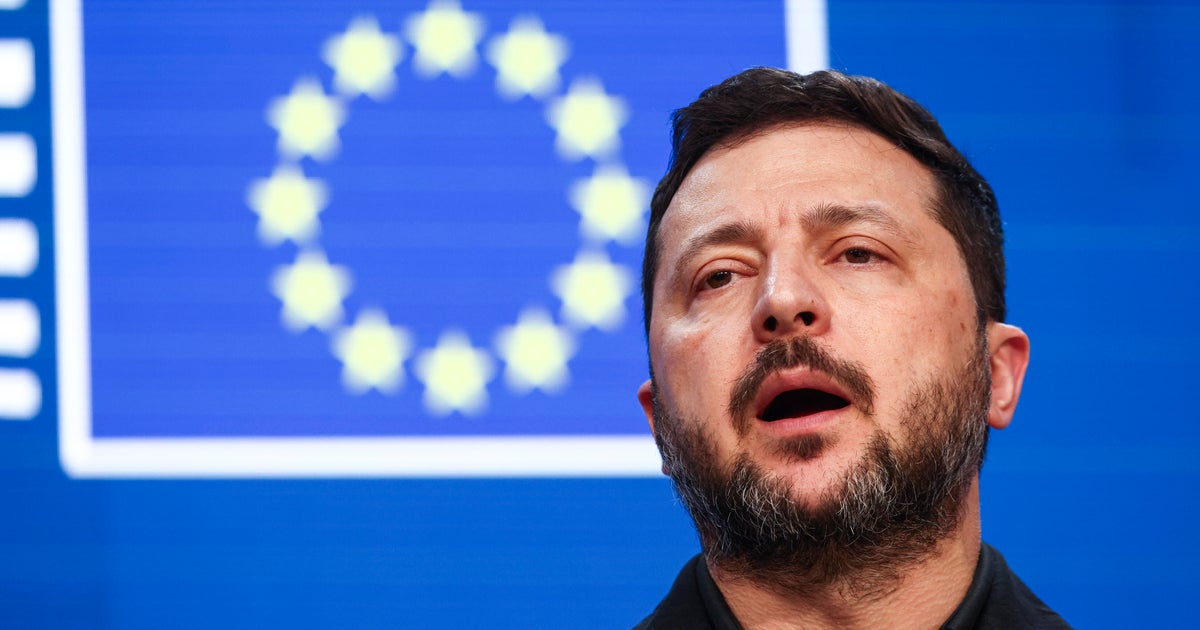
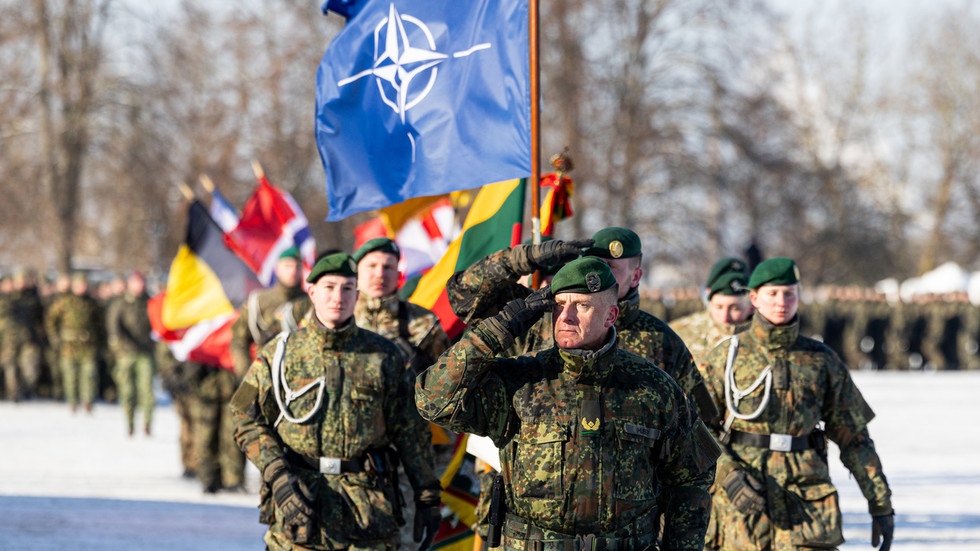
In the Arctic, Washington and Brussels are competing for control of Greenland, trade routes, and resources – even as they remain NATO allies This September, the Arctic quietly widened the rift between presumed transatlantic allies. Brussels’ attempts to mitigate growing US influence in the region have so far been unsystematic but intense. The Arctic Summit held in Finnish Lapland and the subsequent EU-Canada talks, where European Commission President Ursula von der Leyen proposed granting Ottawa associate member status, should be viewed in the context of the new agreement between the US and Greenland. The EU is using its usual competitive methods in the polar race, plunging into a de facto confrontation with the US. An alternative to this could have been attempts to find its own legitimate place among the major players; however, the window of opportunity for such initiatives has closed, which leaves the space no alternatives other than the prospects of a hybrid war in which Brussels and Washington are rivals.The EU’s familiar patterns beyond the Arctic CircleTwelve EU countries and the bloc’s leadership attended the Arctic Summit in Lapland this month, where they agreed upon a radi...
The next war will be fought here. America and Europe will be enemies
 2 weeks ago
38
2 weeks ago
38
Related



Popular


Oil prices rise as Chinese refiners reportedly ban October f...
2 weeks ago
243

OpenAI fires workers for mishandling 'sensitive information'...
2 weeks ago
230

CNBC Daily Open: Three’s a crowd: U.S. carrier buildup in Mi...
2 weeks ago
227

Meet the seventh-grader who found psyllium could remove 93.3...
2 weeks ago
218
 English (US) ·
 © Clint's World News 2026. All rights are reserved
