
 2 hours ago
9
In the October 27 Israeli elections, 38 parties ran for office. Of these, only two supported peace, equality and an end to the occupation of Palestinian territories. Both were “Arab parties” – made up of Palestinian citizens of Israel.These two parties earned a historic result, securing 19 seats in the Knesset, after some 80 percent of Palestinian citizens cast a vote.This unprecedented turnout contributed to Prime Minister Benjamin Netanyahu’s failure to secure a majority. His bloc won 53 seats, while the Jewish-led opposition won 48.The electoral mobilisation of Palestinians was immediately spun as a threat and Palestinian communities now face intensified incitement by members of Netanyahu’s camp. The pro-Netanyahu camp has alleged that the election was “stolen” and is now calling for restrictions on the “Arab vote”.Thus, Palestinian electoral success exposed an uncomfortable question for Israeli politics: what happens when citizens who are informally isolated on the political scene but whose vote is formally equal become powerful enough to determine who governs?Palestinian citizens face a fundamental question: Can they truly determine the political outcome and if they can, does ...
Related

How Arab Gulf states view Trump's Iran war plan
27 minutes ago
1

US midterms 2026: Trump calls Democratic Senate candidate Ab...
35 minutes ago
3

NATO fears Trump clampdown in case of midterms defeat – Poli...
44 minutes ago
3


Popular

Two Houthi missiles target Yemen’s Aden International Airpor...
3 weeks ago
726

JPMorgan makes bullish call in fixed income space, suggests ...
3 weeks ago
605
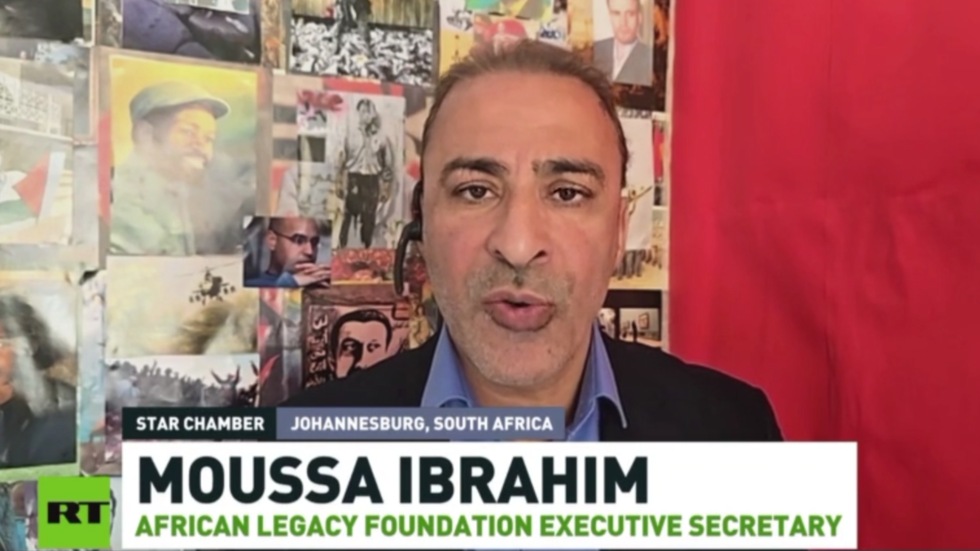
ICC ignored ‘very well-documented’ NATO crimes – ex-Libyan m...
3 weeks ago
568

Intel, Broadcom CEOs warn capital crunch could become AI's b...
3 weeks ago
546

All B-1 bombers withdrawn from British air base amid Iran-ba...
4 weeks ago
507
 English (US) ·
© Clint's World News 2026. All rights are reserved
