
 1 month ago
26
1 month ago
26
Money is moving onto new rails, built in code instead of wires and vaults, and that shift is quietly reshaping a tool that America has relied on for a generation: the ability to see a transaction, trace it, and freeze or seize it the moment sanctions or law enforcement demand it. Whoever builds and supervises those digital rails inherits that power. Whoever doesn't, loses it. That is the real stake in the debate over blockchain-based payment technology. Not the technology itself, but who ends up controlling it.China and Russia understand this. Beijing is swiftly shifting to its digital yuan, e-CNY, and is settling commodity trades with BRICS partners in yuan. Moscow is pushing ruble settlement with its own trading partners via its regulated ruble-based stablecoin network A7A5. Both are explicit, funding bets on moving international trade beyond the reach of U.S. sanctions and U.S. oversight. Neither has cracked the dollar's dominance yet, which still captures 88% of foreign exchange transactions. But if either succeeds in becoming the default rail for the next generation of cross-border payments, America doesn't just lose market share—it loses its reach into the global financial sy...
Related
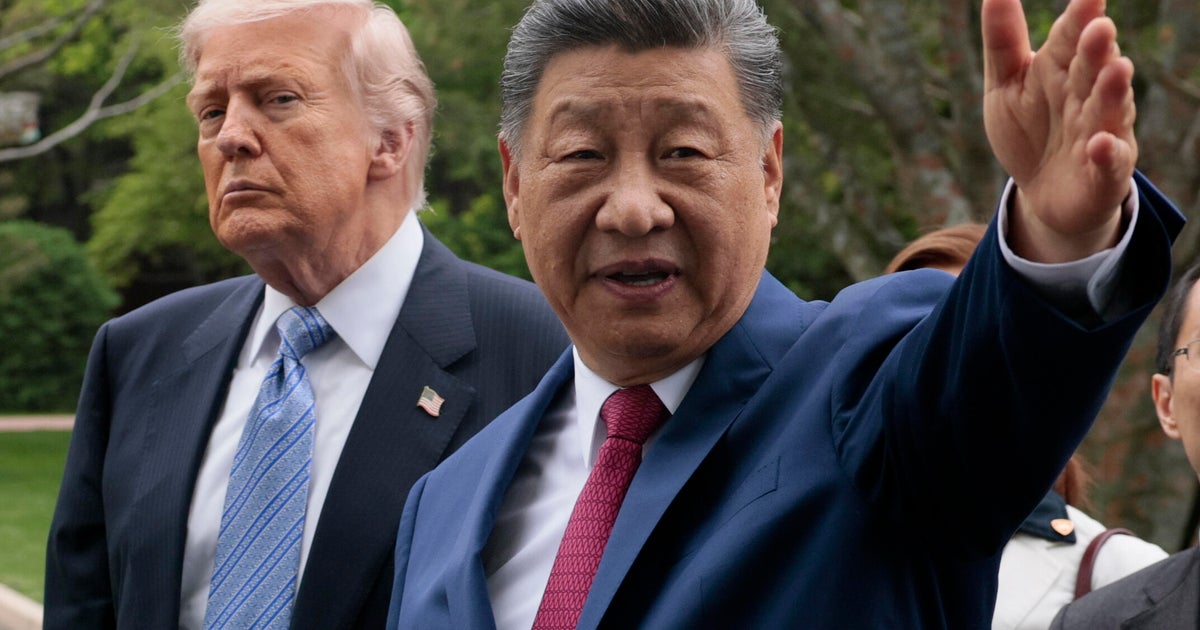
Is the U.S. and China's mutual distrust the biggest risk as ...
34 minutes ago
3



Popular

El Niño rains in Peru disrupt access to Machu Picchu
3 weeks ago
249




 English (US) ·
 © Clint's World News 2026. All rights are reserved
