
 4 weeks ago
39
4 weeks ago
39
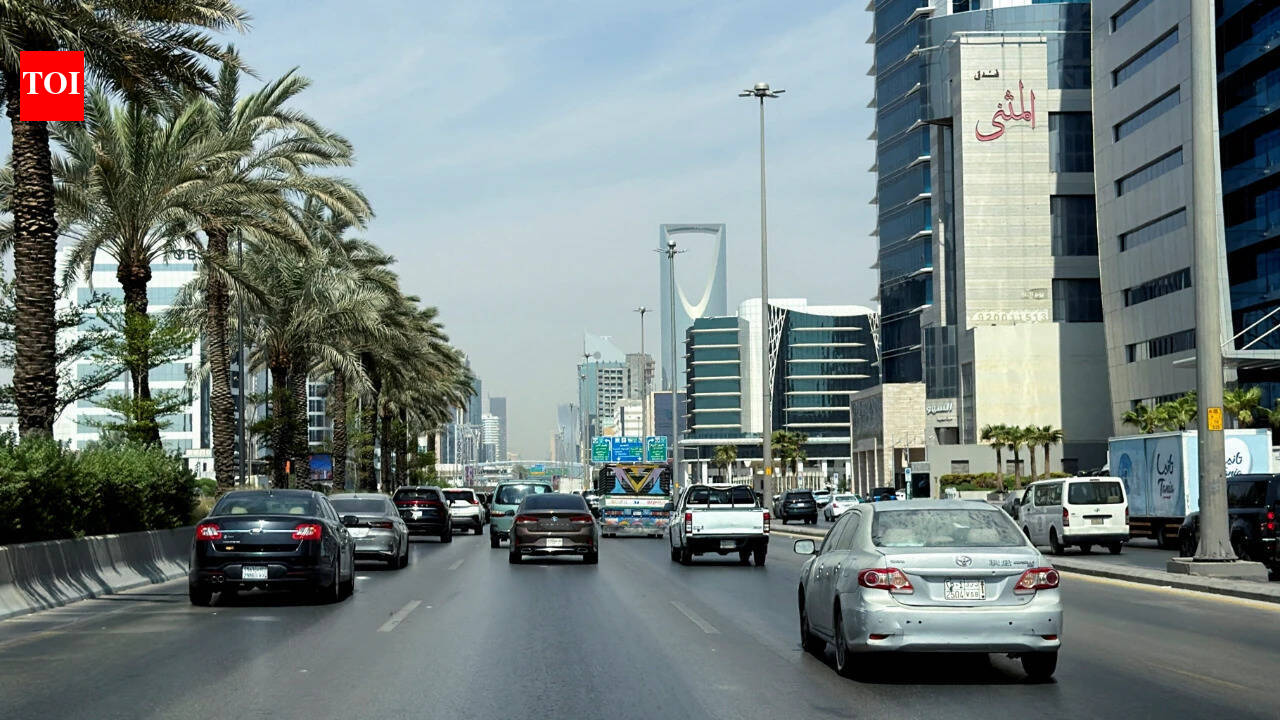
For more than two years, the 2023 Beijing-brokered agreement between Saudi Arabia and Iran seemed to mark a shift in Gulf politics: Away from confrontation and towards managed coexistence. The agreement neither ended strategic rivalry nor sought to do so. Its significance was more limited but still consequential: It created political space for competition to be managed without repeatedly spilling into direct regional escalation. That space came under severe strain earlier this year, when direct Iranian attacks on Saudi Arabia led Riyadh to expel Iran’s military attache and four other embassy staff. Renewed Houthi attacks on Saudi territory and the postponement of planned talks in Oman are now placing what remains of that diplomatic framework under further strain. Together, these developments expose a deeper contradiction at the heart of Tehran’s regional strategy: Can Iran sustain stable diplomatic relations with its Arab Gulf neighbours while continuing to draw strategic leverage from a regional network capable of directly threatening their security?The attacks: When Yemen’s war crosses the borderThe latest escalation marks an important shift in the trajectory of the conflict in Y...
Related


Popular


Oil prices rise as Chinese refiners reportedly ban October f...
2 weeks ago
243

OpenAI fires workers for mishandling 'sensitive information'...
2 weeks ago
231

CNBC Daily Open: Three’s a crowd: U.S. carrier buildup in Mi...
2 weeks ago
227

Meet the seventh-grader who found psyllium could remove 93.3...
2 weeks ago
218
 English (US) ·
 © Clint's World News 2026. All rights are reserved
