
 1 month ago
45
1 month ago
45
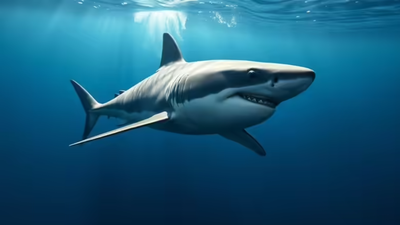
Sharks high on cocaine, caffeine and common painkillers have been detected in waters around the Bahamas. The discovery, made by Brazilian scientists, points to rising levels of pharmaceutical and illicit drug pollution even in relatively remote marine ecosystems. The findings, published in the journal Environmental Pollution, are based on blood samples collected from 85 sharks near Eleuthera. Of these, 28 individuals across three species tested positive for various substances, as reported by NY Post, citing the research. “Pharmaceuticals and illicit drugs are increasingly recognized as contaminants of emerging concern (CECs) in marine environments, particularly in areas undergoing rapid urbanisation and tourism-driven development,” the researchers wrote.
Caffeine was the most commonly detected compound, followed by acetaminophen and diclofenac—key ingredients in widely used painkillers such as Tylenol and Voltaren. Two sharks also tested positive for cocaine, which researchers believe may have entered the water through discarded or lost drug packets. “They bite things to investigate and end up exposed,” study author Natascha Wosnick of the Federal University of Paraná in Brazil, told Science News.
The study marks the first time cocaine has been detected in sharks in the Bahamas, and the first recorded instance of caffeine being found in sharks anywhere in the world. Researchers noted that many of the sampled sharks were located near popular tourist and diving sites, indicating contamination from wastewater linked to boats and coastal development. The presence of these substances in such an area highlights the extent of human-driven pollution. While the behavioural impact on sharks remains unclear, scientists observed changes in metabolic markers in contaminated individuals, suggesting physiological stress. According to oceanographer Tracy Fanara, who was not involved in the study, this indicates the animals may be using more energy to process these pollutants. “We’re talking about a very remote island in the Bahamas,” Wosnick noted. Fanara said that ultimately this narcotic trickle-down effect serves as a “reminder that coastal infrastructure, tourism and marine food webs are tightly connected.”










 English (US) ·