
It remains unclear exactly why tens of thousands of migrants attempted to cross into Ceuta, but the EU's Migration Commissioner Magnus Brunner has suggested criminal networks spreading disinformation were to blame - an assertion the Spanish government has agreed with.The crossings came after Spain's Supreme Court ruled that migrants stopped at sea while trying to reach Ceuta or Melilla cannot be summarily returned to Morocco.The two exclaves have long been a bone of diplomatic contention between Spain and Morocco, which does not recognise Spanish sovereignty over them.The number of people swimming to Ceuta at once has raised questions about why Morocco's border guards did not attempt to stop themThe Ceuta crossings have also caused a diplomatic rift among EU nations that share open borders as part of the Schengen area.Italy's decision to suspend its agreement was backed by Finland and Denmark, while the Czech Republic called for Spain's membership to be temporarily suspended.Morocco, for its part, has laid blame for the crisis on Spain's Supreme Court, with an unnamed government source briefing local outlets that "the deterrent element of the system collapsed and the dam gave way, ...
Spain threatens retaliation if Italy fails to lift border controls after Ceuta crossings
 1 month ago
47
1 month ago
47
Related

Commander rejected plans to rebase before deadly drone strik...
50 minutes ago
1




At least 41 dead after boat capsizes in DR Congo
5 hours ago
7
Popular

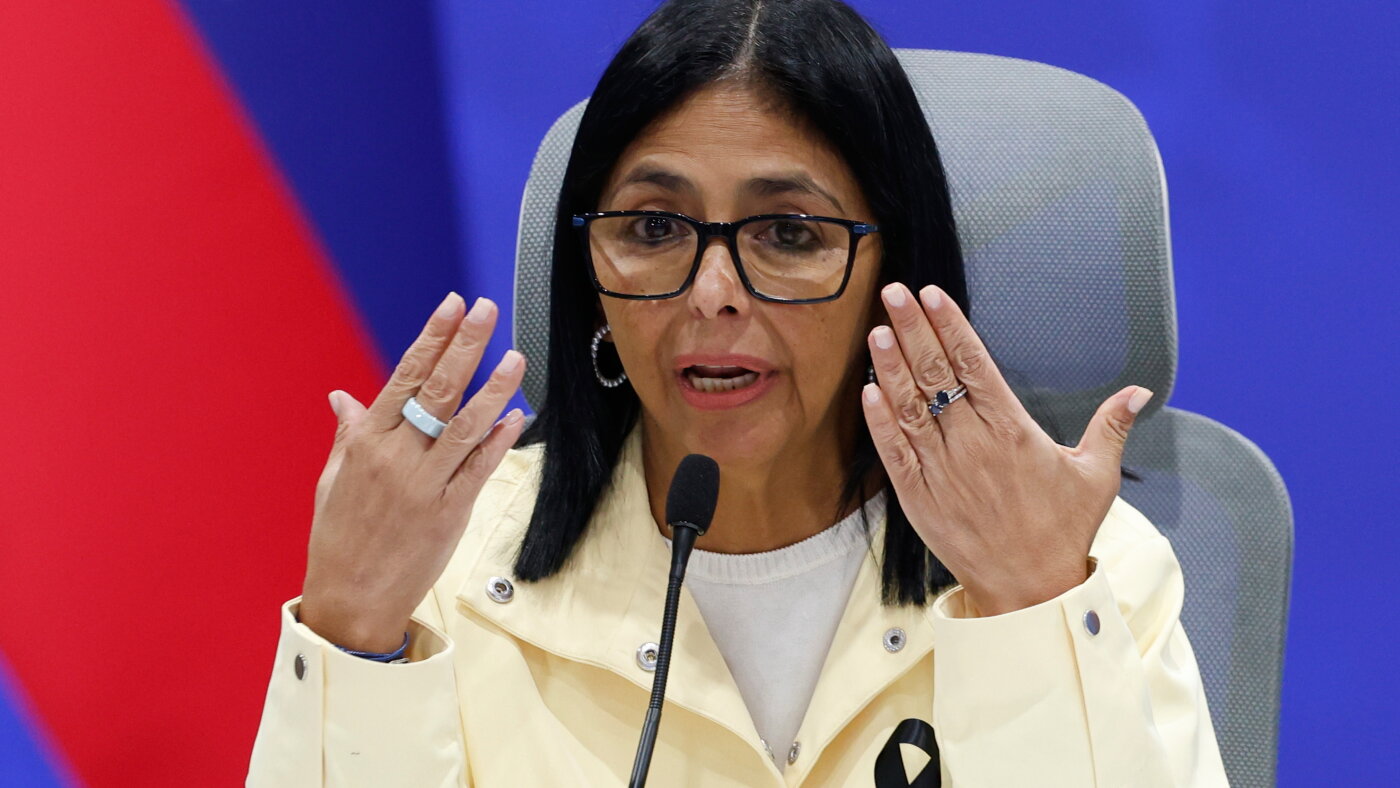


Venezuela’s interim president addresses US oil deal
3 weeks ago
54

 English (US) ·
 © Clint's World News 2026. All rights are reserved
