
 3 weeks ago
11
3 weeks ago
11
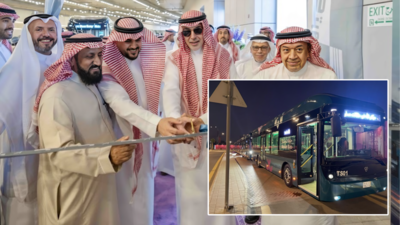
Mecca unveils it's first ever electric bus network, enhancing travel ease in 2026 / Image: File
If you are planning your journey to the Holy City in 2026, your experience on the ground is about to feel significantly smoother, quieter, and more sophisticated. Following its official inauguration in late 2025, the Masar BRT was officially launched as the first fully electric bus rapid transit network in the Middle East. This project isn't just a fleet of new vehicles; it is a total transformation of how millions move through the heart of Makkah, blending deep spiritual tradition with cutting-edge 21st-century sustainability.
Saudi Arabia’s new electric transit system
Saudi Arabia has launched its first fully electric bus network in Mecca, marking a major upgrade to pilgrim transport as the Kingdom prepares for rising Hajj and Umrah numbers in 2026 and beyond. The new system is designed to make movement around the holy city faster, cleaner, and more reliable, especially during peak pilgrimage seasons when crowd pressure is at its highest.The electric bus network has been introduced along the Masar corridor, a key urban route that connects major transport hubs with areas close to the Grand Mosque. Officials say the project reflects Saudi Arabia’s wider push to modernise pilgrimage services while reducing congestion, emissions, and travel stress for millions of visitors.At the heart of the project is a Bus Rapid Transit (BRT) system powered entirely by electricity, replacing conventional diesel buses on one of Mecca’s most heavily used corridors.
The route stretches for around four kilometres, linking the Haramain High-Speed Railway station with central Mecca, bringing pilgrims closer to Masjid Al Haram through a dedicated, high-capacity transport line.The network includes multiple modern stations and stops, allowing pilgrims to board and exit easily without long walks or repeated vehicle changes. Dedicated lanes help buses avoid traffic bottlenecks, a major challenge during Hajj and Umrah seasons, ensuring more predictable travel times for worshippers.
Hajj and Umrah pilgrims in 2026
For pilgrims planning to visit Mecca in 2026, the new electric bus network promises a noticeably improved experience. Large numbers of Hajj and Umrah visitors traditionally rely on buses to move between hotels, prayer areas, and transport hubs, often facing delays during peak hours.The electric buses are designed to carry high passenger volumes, operate quietly, and offer smoother rides, a significant benefit for elderly pilgrims and families.
Authorities expect the system to reduce road congestion, shorten journey times, and make daily movement within Mecca more manageable during the busiest pilgrimage periods.Officials have also highlighted the system’s role in crowd management, helping distribute pilgrim flow more evenly and easing pressure on surrounding road networks.
Smart, cool, and comfortable
The days of navigating crowded, aging buses are over. The new network, managed by Electromin, utilizes an "Intelligent Transport System" (ITS) that provides a passenger experience more akin to a modern metro than a traditional bus:
- Smart Ticketing: No more fumbling for cash. Use your smartphone or on-site vending machines to secure your ride instantly.
- Climate-Controlled Sanctuary: Each bus is a high-tech refuge from the heat, equipped with high-efficiency air conditioning, Wi-Fi, and USB charging ports at every seat.
- Accessibility for All: A specialized hydraulic system allows the buses to "kneel" for level boarding, making the service fully accessible for elderly pilgrims, wheelchair users, and families with strollers.
- Real-Time Data: Digital displays at every stop and inside the buses provide live updates on arrival times and destination info in multiple languages.
This shift to electric power is a cornerstone of the Saudi Vision 2030 goals to improve the quality of life for residents and visitors.
By replacing traditional diesel engines with 420kWh high-capacity batteries, the project will prevent over 31.5 million kilograms of CO2 emissions over its lifespan. The electric bus launch is not a standalone project but part of a broader transformation of Mecca’s transport ecosystem. It complements the Haramain High-Speed Railway, pedestrian improvements, and future public transport expansions aimed at serving millions of annual visitors more efficiently.





 English (US) ·