
 6 hours ago
2
6 hours ago
2
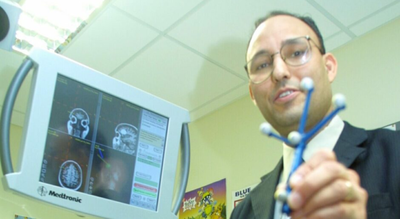
Disgraced ex-NHS Tayside surgeon Professor Sam Eljamel. Image: DC Thomson via The Courier
For years, Sam Eljamel was a respected neurosurgeon in Scotland, the head of neurosurgery at Ninewells Hospital in Dundee, the man patients trusted to remove brain tumours, treat chronic pain and perform some of the most delicate operations in medicine.
What they did not know then, but would learn slowly and painfully over time, was that he had harmed dozens of them, and, according to more recent reports, potentially more than 200, carrying out unsafe and sometimes experimental procedures that left many with life-changing injuries. Today, more than a decade after he was suspended and later resigned, Scotland is finally trying to piece together what happened. A public inquiry, now entering its hearing stage, is examining how one surgeon was allowed to operate for so long, why warnings went unheeded, and what happened to the patients who say he destroyed their lives.
The inquiry opened its formal statements on 26 November in Edinburgh, setting the stage for evidence sessions early next year.
Who he was, and what he was accused of doing
For nearly two decades, Sam Eljamel held one of the most powerful clinical positions in Scotland: head of neurosurgery at Ninewells Hospital in Dundee. Patients came to him for tumour removals, spinal operations and complex neurological procedures. Many now say those surgeries left them with catastrophic, avoidable harm.
According to testimony summarised at the inquiry, the allegations stretch far beyond isolated mistakes. Former patients and families describe neurological injury, infections, repeated corrective operations, paralysis and, in some cases, financial ruin: the loss of homes, jobs and marriages. Their counsel, Joanna Cherry KC, set out the core pattern of complaints, saying they include “the absence of informed consent; warnings about underlying conditions which were ignored; the use of experimental medical techniques and devices which were new to the market; the lack of expertise to perform specific surgeries (and) ‘ghost surgeries’ where the surgery the patient consented to was not carried out.”The inquiry has formally listed 138 patients as core participants, though Metro UK reports the wider group may exceed 200. Cherry told the hearing that many patients felt they were labelled “season ticket holders” or “frequent flyers” by NHS Tayside because the complications from their original surgeries kept sending them back for more treatment, a dynamic they believe reflected not only surgical harm but a dismissive institutional attitude.
How patients described what happened to them
The most harrowing accounts give shape to what went on behind the theatre doors. Leann Sutherland told Metro UK that she underwent surgery for chronic migraine in the belief it carried a 60% chance of improvement. Instead, she said, Eljamel removed part of her skull and sealed the wound with what she described as “new glue”. Later, “the wound burst open”, brain fluid leaked down her neck, and she collapsed. She contracted meningitis, remained in hospital for months, and required six further operations. “It was an experiment… he used me as a guinea pig,” she told the inquiry. Another patient, Jules Rose, told the BBC that in 2013 she was assured that “99 percent” of her brain tumour had been removed. When she requested her medical records afterward, she discovered the tumour had not been touched, instead, Eljamel had removed her tear gland. Other stories include a patient who received a titanium spinal plate despite having a documented metal allergy, and another who was left paralysed from the neck down. Cherry described these accounts as “a small flavour of the human cost of Eljamel’s actions and inactions”, adding that many of the victims had fought for years for this inquiry to be established. It was, she said, “a long time coming and very hard fought for.”
What happened to him, and where he is now
When concerns mounted, Eljamel was suspended in December 2013. He resigned the following year and removed himself from the UK medical register in 2015. According to the BBC, he is believed to have returned to Libya, where he is thought to still be practising medicine.
The inquiry has tried repeatedly to contact him, sending letters, emails and making phone calls to hospitals abroad, but without success. Because he is outside the UK, the inquiry cannot compel him to testify.
What the inquiry is uncovering now
The public inquiry, chaired by Lord Weir, opened its formal hearings on 26 November. It will examine:
- how Eljamel was able to keep operating for so long
- what NHS Tayside knew
- why patient warnings were ignored
- and how record-keeping may have obstructed accountability.
One of the most serious revelations so far concerns 40 theatre logbooks, physical records of surgeries carried out between 1995 and 2013.
These documents were destroyed in July this year, despite the inquiry issuing a formal “do not destroy” order in 2024. Joanna Cherry KC, who represents the patients, called it an act that “beggars belief”. She told the inquiry that the logbooks could have provided “vital evidence” to fill gaps in incomplete patient records. NHS Tayside says the destruction was a mistake carried out by staff who “were not aware” of the connection with Eljamel, adding that the board “deeply regrets” the error.
But for many patients, the missing records feel like one more betrayal in a long chain of institutional failures.
What comes next
Patients were originally scheduled to give evidence in April 2025, then told those sessions would instead take place in September. But September came and went without a hearing. As of November 2025, the inquiry is only taking opening statements; the full patient testimony is now expected in early 2026, almost three years after the inquiry was first announced. This inquiry will not be able to force Eljamel to appear. It cannot undo the injuries or return the years people lost. But for the hundreds of former patients who say they were harmed by the man they trusted, the goal is simple: a full account of what happened, and a clear acknowledgment that it should never have been allowed to happen at all.





 English (US) ·