
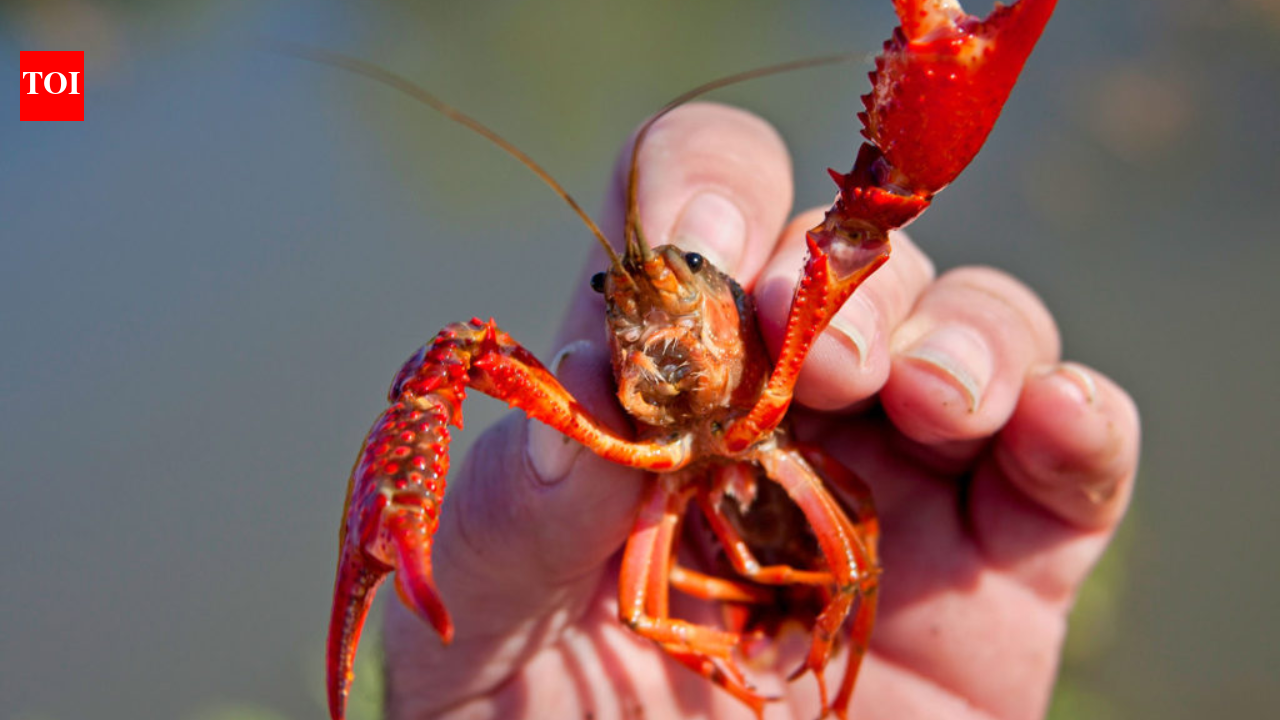
A new study which was done across tropical countries suggests that non-native trees can become surprisingly common in young regenerating forests, especially where the canopy is still open. But as the forest matures and the canopy closes, their share tends to decline. The study was published in Nature's July 2026 journal.The research analysed 1,561 forest plots across 10 tropical countries, giving scientists a broad look at how forest recovery and tree invasion interact over time. The big takeaway is that early-stage regeneration can be highly vulnerable to non-native species, but the balance can shift as natural forest structure returns.What the study foundIn young moist forests, non-native trees made up 28% of stems. They also accounted for 22% of species in those plots, showing that these trees were not just present in small numbers; they were part of the wider forest community during early succession.The pattern was not identical everywhere. In dry forests, non-native trees were still present but made up a smaller share, at about 9% of stems and species, as per the study. Overall, the study found that non-native woody species appeared in 81% of the forest chronosequences examine...
Researchers studied 1,561 forest plots across 10 tropical countries; non-native trees formed 28% of stems in young moist forests, but declined as the canopy returned
 2 weeks ago
26
2 weeks ago
26
Related

Ex-Cambridge professor dies week after resigning amid plagia...
46 minutes ago
1

Mount Etna eruption and volcanic ash shut Sicily’s busiest a...
57 minutes ago
1


Popular



Mapping the latest US strikes across Iran
4 weeks ago
78

 English (US) ·
 © Clint's World News 2026. All rights are reserved
