
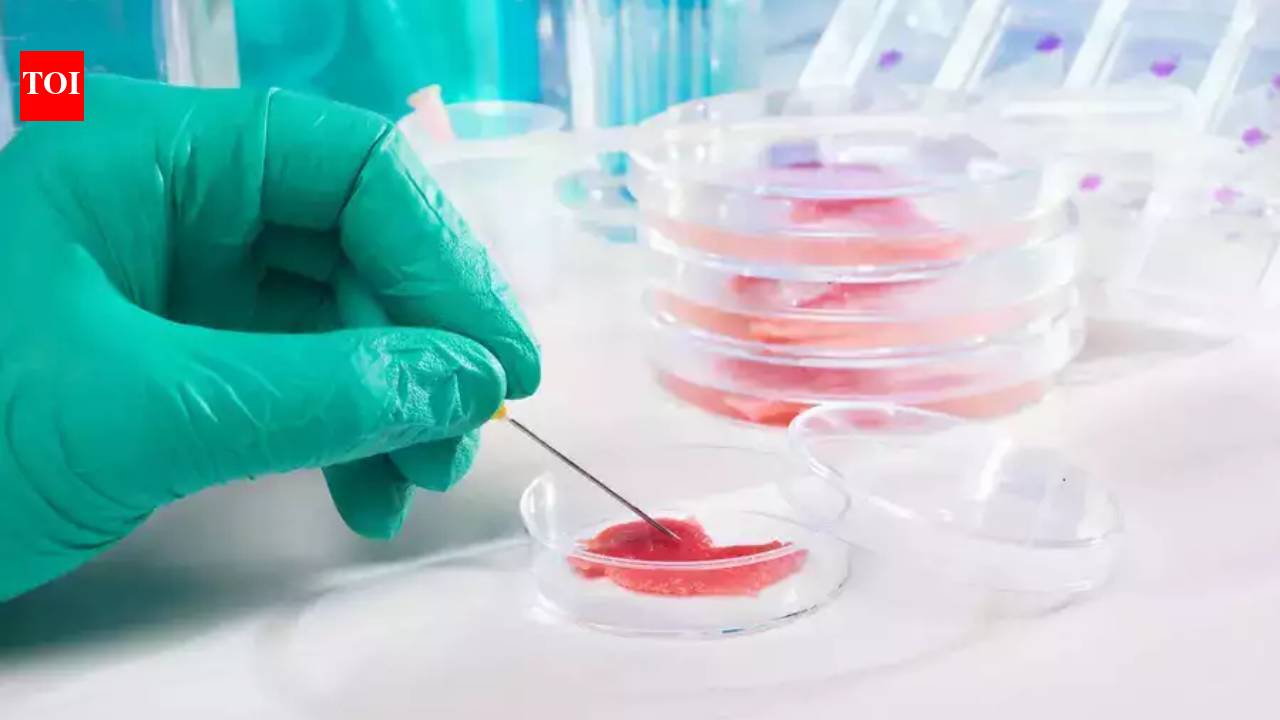
Polyethylene, one of the most widely produced plastics in the world, may have implications for liver health, according to new research from Texas A&M University. The study, published in October 2026 and highlighted by the university’s College of Veterinary Medicine and Biomedical Sciences, found that exposure to polyethylene microplastics was associated with signs of fatty liver disease, with more pronounced effects when exposure coincided with a diet high in fat, fructose and cholesterol. The findings add to a growing body of research examining how tiny plastic particles interact with biological systems. While microplastics have been detected in the environment and human tissues, their long-term effects on health remain incompletely understood.How polyethylene may affect liver healthPolyethylene is commonly used in food wrappers, storage containers, packaging and the linings of some disposable cups. Its widespread use makes understanding its potential health effects an important area of investigation.Researchers led by Adi Joshi, an associate professor in Texas A&M’s Department of Veterinary Physiology and Pharmacology, examined whether polyethylene microplastics could inf...
Polyethylene Microplastics And Liver Risk: Texas A&M links exposure to fatty liver signs; questions remain for human health
 2 days ago
15
2 days ago
15
Related




Popular


Oil prices rise as Chinese refiners reportedly ban October f...
2 weeks ago
221

OpenAI fires workers for mishandling 'sensitive information'...
2 weeks ago
210

CNBC Daily Open: Three’s a crowd: U.S. carrier buildup in Mi...
2 weeks ago
208

Meet the seventh-grader who found psyllium could remove 93.3...
2 weeks ago
200
 English (US) ·
 © Clint's World News 2026. All rights are reserved
