
APA Corporation's Beryl Alpha oil platform in the North Sea.
Courtesy: APA Corporation
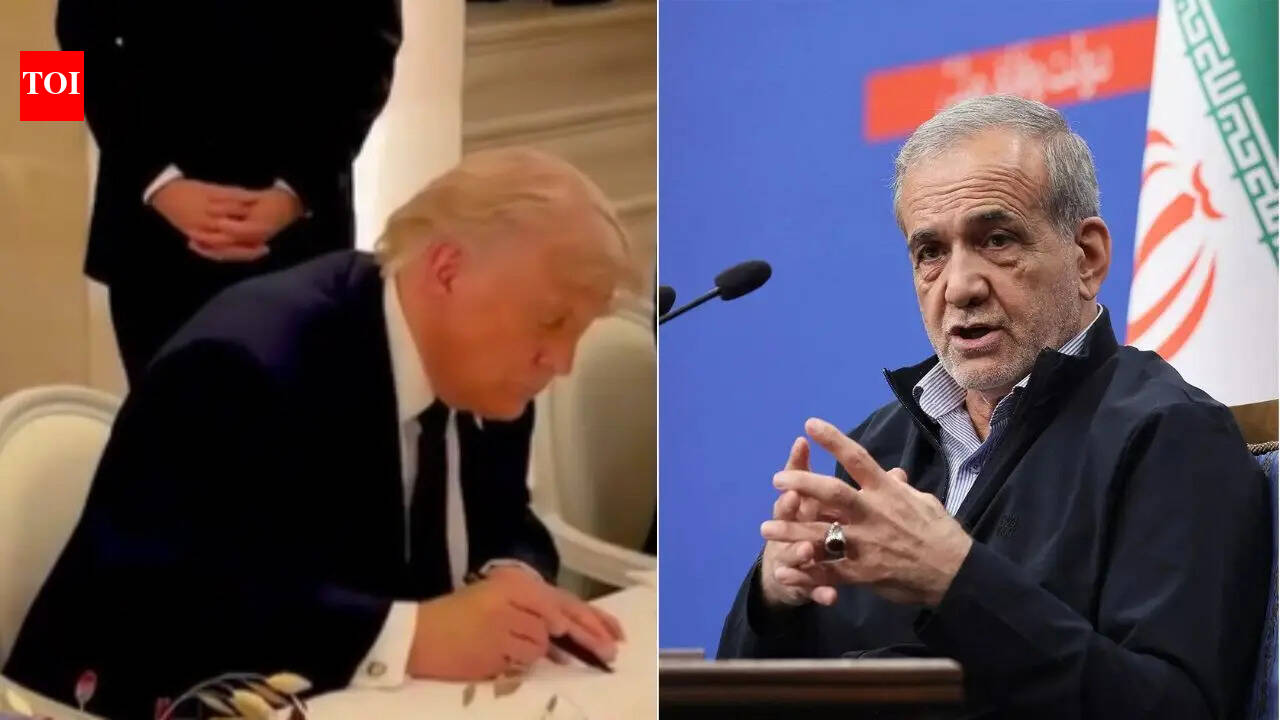
Oil prices fell Tuesday after U.S. President Donald Trump said he would postpone a planned military strike on Iran following requests from key Middle Eastern leaders, easing fears of an imminent escalation that could disrupt global crude supplies.
International benchmark Brent crude futures for July delivery fell more than 2% to trade at $109.15 per barrel. The West Texas Intermediate futures declined 1.27% to $107.28 per barrel.
Trump said on Monday that he shelved plans for a "scheduled attack of Iran tomorrow" following requests from the leaders of Qatar, Saudi Arabia and the United Arab Emirates.

Oil prices since the start of the year
Before his comments on Truth Social, there had been little public indication that Washington was preparing imminent military action against Iran, which would effectively end a fragile ceasefire struck on April 8.
Earlier Monday, Trump told the New York Post that Iran knows "what's going to be happening soon," though he did not elaborate.
Axios reported that Trump had been weighing renewed military action after Tehran's latest proposal in talks aimed at ending the conflict fell short of expectations.
Speaking at a White House event later in the day, Trump said, "we were getting ready to do a very major attack tomorrow."
"I put it off for a little while, hopefully maybe forever, but possibly for a little while" because "we've had very big discussions with Iran, and we'll see what they amount to," he said.
ING said oil markets are continuing to price in persistent supply disruptions in the Middle East, noting that hopes that China would help broker progress during recent Trump-Xi talks failed to materialize.
Analysts from the banking and financial services firm said some shipping activity through the Strait of Hormuz has resumed, including several crude tankers and a Vietnamese-bound Iraqi oil shipment, though flows remain well below normal levels and could deteriorate quickly.
"The ongoing supply disruptions mean the market has had to rely largely on inventory and alternative supply, where possible," they wrote.







 English (US) ·