Tehran, in turn, said it would stop its retaliatory attacks on regional neighbours, handing Gulf shipping and the oil industry a respite. "Since ... our strategy has essentially been retaliatory, we have also halted our retaliatory operations," said Iran's army spokesman Mohammad Akraminia. The two resumed hostilities this month, breaking a fragile truce, after Iran attacked ships passing through Omani waters in the Strait of Hormuz, sparking a pattern of escalation. Prior to Friday, the US military had carried out strikes on Iran for 13 consecutive nights, in the largest rekindling of the almost five-month-old war since an April ceasefire. But Friday, Saturday and Sunday nights passed without bombing. That derailed diplomatic efforts between Washington and Tehran, but the conflict then expanded beyond the vital energy corridor and saw Iran-backed Houthi rebels in Yemen strike Saudi vessels in the Bab al-Mandeb Strait, a crucial passage into the Red Sea. Crude prices soared on the flare-up, with Brent breaking back above $100 a barrel last week for the first time since May. News that shipping continued in the Red Sea helped investors pare the gains Friday. However, Trump's decision...
Oil prices fall amid pause in Iran war to give 'space' for diplomacy
 2 weeks ago
28
2 weeks ago
28
Related
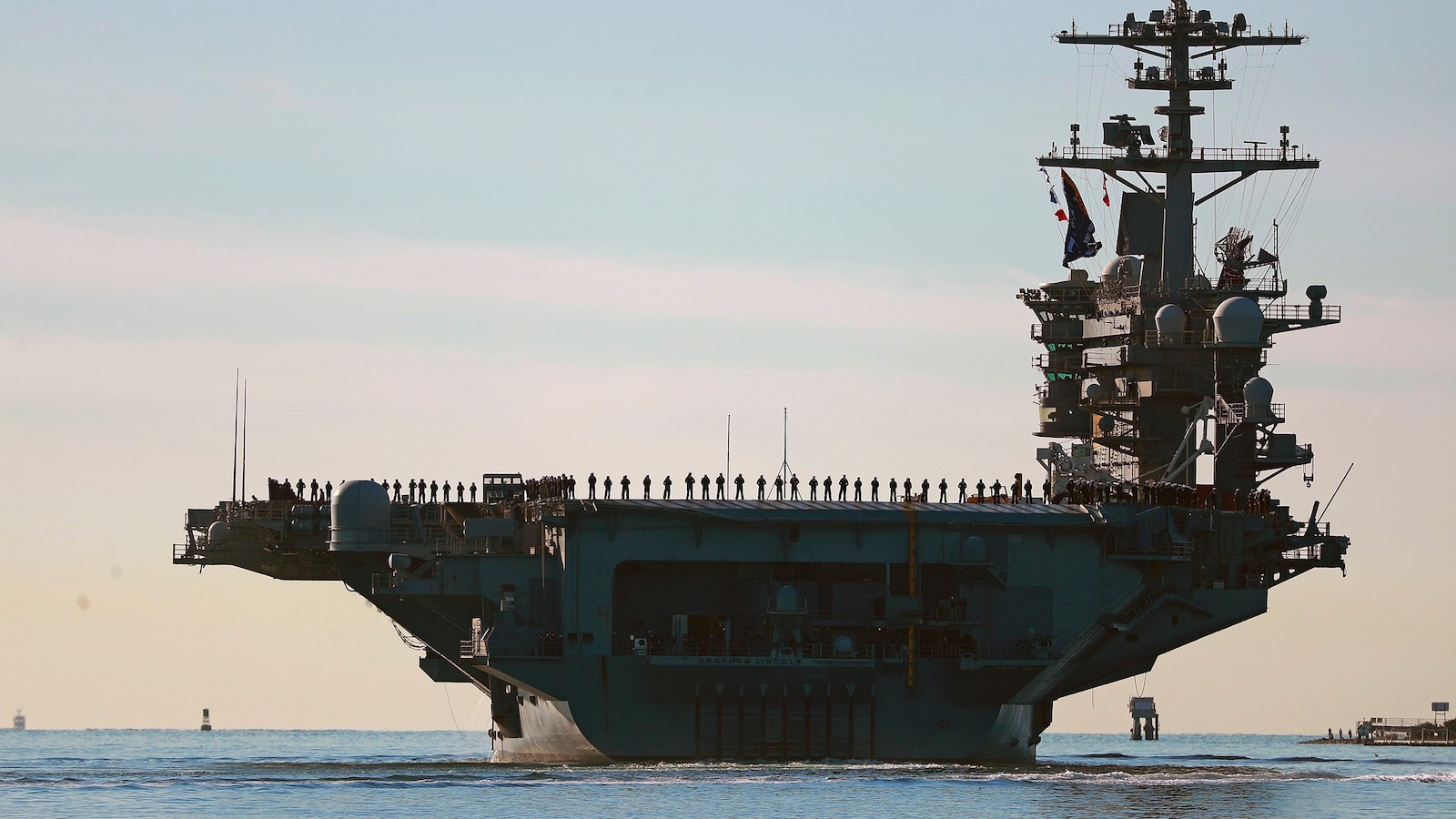
US top Middle East commander visits deployed aircraft carrie...
53 minutes ago
1



Popular

World’s 10 most powerful militaries ranked - UK not in top 5...
4 weeks ago
103


 English (US) ·
 © Clint's World News 2026. All rights are reserved
