
 1 month ago
14
1 month ago
14
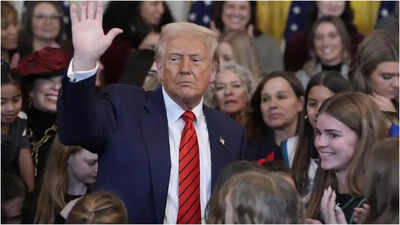
In the early hours of Saturday morning, at 4.21 am, President Donald Trump announced on social media that the United States had captured Venezuelan leader Nicolás Maduro. Ten minutes later, his phone rang. On the line was Tyler Pager, a White House correspondent for The New York Times. After three rings, Trump answered.
Chants Grip Caracas; Fear As Trump ‘Claims Control’ Over Venezuela & Its Oil | Watch
By 9.45 am, Pager had travelled to Mar-a-Lago, Trump’s private club and residence in Florida, where the president was preparing to address reporters hours after confirming what he described as a large-scale US military operation in Venezuela. The events of that morning began several hours earlier. Pager said he woke shortly after 1 a.m.
when a colleague in Caracas reported explosions across the Venezuelan capital. As reports of airstrikes spread, journalists began reaching out to U.S. officials for confirmation. Many were reluctant to comment while the operation was still under way, citing concerns about compromising the mission. Given the Trump administration’s months-long pressure campaign against the Maduro government — including internal discussions about capturing the Venezuelan leader — the explosions raised immediate suspicion of U.S.
involvement. Official confirmation came at 4:21 a.m., when Trump posted on Truth Social that Maduro and his wife had been captured and flown out of Venezuela. Pager said he called the president directly minutes later, marking the first time he had ever dialled Trump’s personal cellphone — a step he took only after consulting senior editors. Trump answered without hesitation. The call lasted just 50 seconds. Pager said he managed to ask four questions, including whether Trump had sought congressional authorisation for the operation and what Washington’s next steps would be in Venezuela.
Trump did not provide details, instead urging him to watch the news conference scheduled later that morning. The brief exchange underscored Trump’s long-standing habit of engaging directly with reporters — a sharp contrast, Pager noted, with the communication style of former President Joe Biden, whom he was never able to interview while covering the White House. Within hours, Trump appeared before cameras, formally outlining an operation that had already reshaped Venezuela’s political future — and offering further insight into a presidency once again unfolding in real time, often by phone.





 English (US) ·