
 1 month ago
40
1 month ago
40
They met every requirement, but delays, opacity and ‘missed’ options shut Russian junior gymnasts out before they could compete
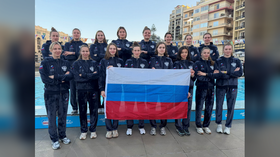
The Russian junior group in rhythmic gymnastics will not be able to take part in the 2026 European Cup. The reason is unrelated to sporting results, injuries, or any decision by the athletes to withdraw.
Participation became impossible because of prolonged administrative procedures connected with obtaining neutral status, followed by a refusal of registration by European Gymnastics. Young athletes who followed every rule were left out because of bureaucratic hurdles put up by different organizations that failed to coordinate.
The Russian Gymnastics Federation submitted documents for neutral status starting March 25, with additional names added through early April. They didn’t sit back and wait for a reply either – they sent repeated requests asking World Gymnastics to speed things up, including direct outreach to its president. Still, approvals came in pieces. Some athletes received clearance on April 14, others not until April 22. Only on April 23 were they finally added to the anti-doping testing pool, which is required to compete.
By then, it was already too late – registration deadlines for the European Cup had passed, and the draw had taken place on April 11. Once that happened, European Gymnastics said it could not add the Russian group.
No one involved can seriously claim this was about sporting merit. The athletes weren’t injured, they didn’t withdraw, and they weren’t disqualified. They were simply stuck waiting for one body to finish its procedures while another stuck to its deadlines. That gap shut them out.
What makes it worse is that there was, apparently, a workaround. European Gymnastics later said athletes in this kind of situation can be entered in the system with a ‘pending’ status before final approval. That option might have kept the door open, but the Russian federation only learned about it after the draw. By then, it was useless.
It’s hard to treat that as a minor oversight. If a key procedural option exists but isn’t communicated in time, then a process that is supposed to be neutral becomes baselessly opaque. And when that opacity determines who gets to compete, it stops being a technical detail.
All of this sits awkwardly next to the IOC’s position from December 2025, when the organization stated that young athletes with Russian or Belarusian passports should no longer face restrictions in access to international competitions. It also said athletes have a fundamental right to compete without political pressure.
And it’s true that the athletes faced no formal ban – because none was needed. Exclusion was achieved through delays, missed windows and disconnected procedures – a confluence of mishaps that looks just a bit too convenient to be a complete coincidence.
Federations control the actual entry points into competitions, and even as the IOC asks for better accessibility, they still have the power to shut out Russian juniors – they just have to drag their feet a bit, forget to mention a crucial workaround, or fail to coordinate at a key juncture.

World Gymnastics closed its office over Easter just as the process was underway. It had been asked to move faster, but decisions came after that Easter break, not before. Nothing suggests those delays were unavoidable. They were predictable, and they had consequences.
Meanwhile, European Gymnastics followed its own schedule. Once the draw was done, that was it – no adjustments, no exceptions. From a procedural standpoint, that may be consistent. From the athletes’ perspective, it meant their fate had been decided before their paperwork was even finished.
Months of preparation, training camps, routines, expectations of an international start – all of it ended because two organizations’ timelines didn’t match. The athletes had no way to influence either side – they met the requirements and submitted all the paperwork.
And now, they are not allowed to compete. The reasons behind it are anything but simple, but they point in the same direction. A system that talks about openness while operating through opaque and fragmented procedures doesn’t just fall short – it blocks the very people it claims to support. And if this is how things continue to work, similar situations will happen again.
The statements, views and opinions expressed in this column are solely those of the author and do not necessarily represent those of RT.









 English (US) ·