
Wairākei geothermal field in July 1978. Image Credit: Engineering New Zealand Wairākei Power Station in New Zealand changed the way geothermal heat could be turned into electricity when it was commissioned in 1958. Built beside the Waikato River, north of Taupō, the station drew on hot underground water beneath an active volcanic zone. Instead of relying on conventional fuel, engineers drilled wells into the geothermal field and used the pressure of the heated water to produce steam for turbines. According to Engineering New Zealand, the project became the first in the world to use flash steam from geothermal water to generate electricity.How did New Zealand’s Wairākei power station become the world’s first to use flash steamWairākei sits within an active volcanic zone stretching about 250 kilometres long and around 50 kilometres wide, narrowing to about 15 kilometres at either end. The station itself was built beside the Waikato River, roughly 10 kilometres north of Taupō, while its geothermal wells were drilled in the nearby Waiora Valley.The idea behind the project was relatively straightforward, even though putting it into practice required major engineering work. Deep undergro...
New Zealand built a power station which became the world's first to use flash steam
 4 weeks ago
43
4 weeks ago
43
Related
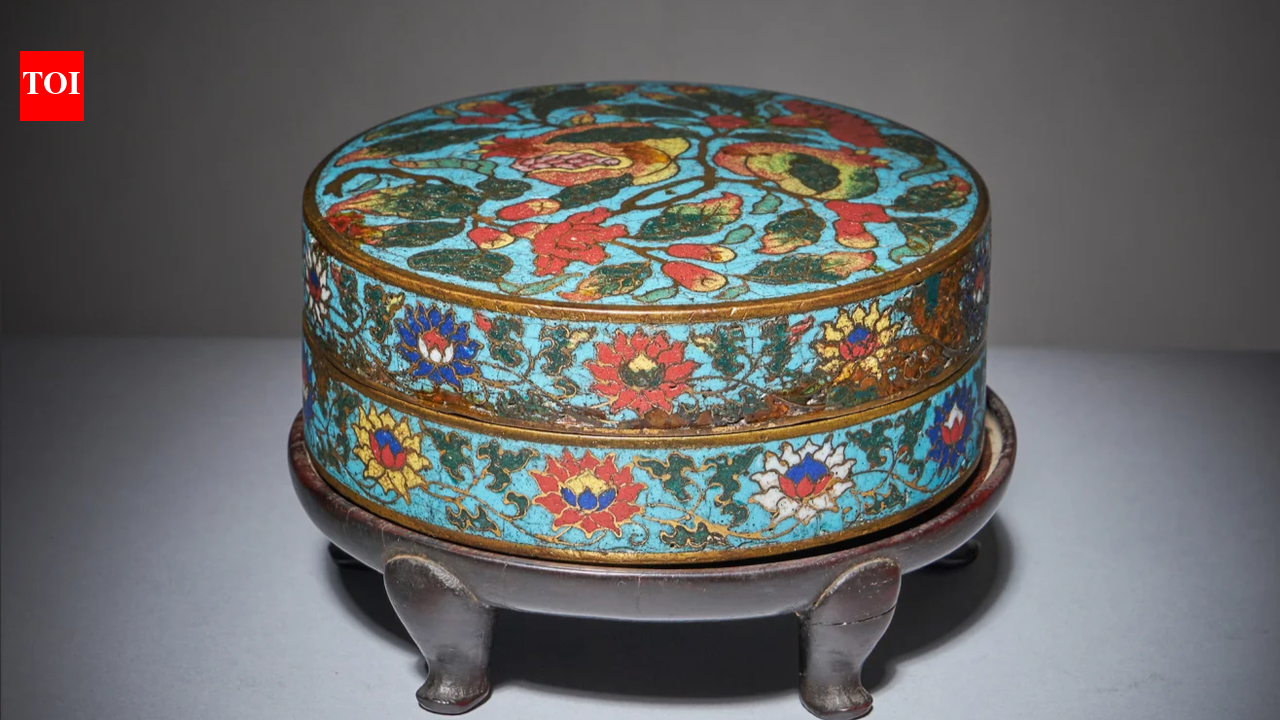
Rare Ming dynasty pomegranate box bought for £19 in 1946 sel...
10 hours ago
11

10/11: Face The Nation
11 hours ago
10

Brazil's Lula accuses social media giant Meta of election in...
12 hours ago
12

Sweet protein brazzein shows promise in reducing blood sugar...
13 hours ago
12

Tattoo ink vanishes in sunlight, stays switchable in skin fo...
14 hours ago
15
Popular



 English (US) ·
 © Clint's World News 2026. All rights are reserved
