
Cash transfers, aimed at lifting families out of poverty, are delivered by mobile pone. Yasuyoshi Chiba/AFP/via Getty Images hide caption toggle caption Yasuyoshi Chiba/AFP/via Getty Images Since the early 2000s, countries have tried to lift people out of poverty with a simple program — giving them cash. The idea is that a lump sum will help the poorest of the poor buy food, pay for school fees or build a business — like raising livestock — to make more money. Study after study has shown these cash transfers are a reliable way to help families in extreme poverty build a source of income and support their own basic needs. The West African nation of Liberia is one of the countries that has seen success with cash transfers. The average amount that the government gives to a needy household per year is $250, which goes a long way there. The money goes to one member of the household to manage for the whole family. And it's usually a woman. "One of our key design components is that we target the female in the house," says Aurelius Butler, Liberia's national coordinator for social protection. Liberia, which is among the 10 poorest countries in the world, has a high rate of gender inequalit...
Needy couples got cash and a spending plan. Results were good -- and bad
 3 weeks ago
36
3 weeks ago
36
Related
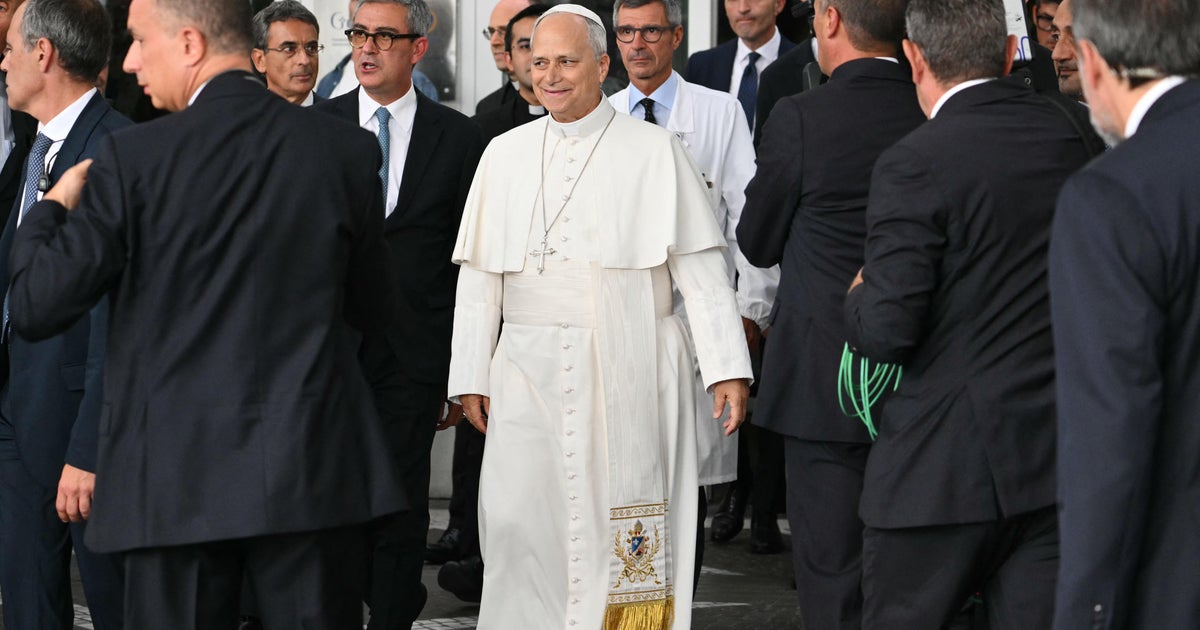

Pope Leo returns to Vatican after lung cancer surgery
5 hours ago
10



Nursery owner in China jailed for life after hundreds of chi...
10 hours ago
11
Popular


Oil prices rise as Chinese refiners reportedly ban October f...
2 weeks ago
246

OpenAI fires workers for mishandling 'sensitive information'...
2 weeks ago
232

CNBC Daily Open: Three’s a crowd: U.S. carrier buildup in Mi...
2 weeks ago
229

Meet the seventh-grader who found psyllium could remove 93.3...
2 weeks ago
220
 English (US) ·
 © Clint's World News 2026. All rights are reserved
