
 1 month ago
45
1 month ago
45
The study began with an unusual marine worm, Olavius algarvensis. The little animal has neither a mouth nor a digestive tract. Long before humans learned how to turn petroleum into bottles and bags and packaging, nature had already invented her own plastic. These natural polymers have been made for hundreds of millions of years hidden inside microorganisms living in soils, sediments and oceans – and new research suggests animals have been eating and breaking them down for almost as long. Researchers at the Max Planck Institute for Marine Microbiology in Bremen, Germany, found that a surprisingly wide range of animals have enzymes that can break down polyhydroxyalkanoates, or PHAs. These natural substances are produced by microorganisms as a carbon and energy reservoir, and are now being developed as biodegradable alternatives to conventional plastics. A report published by Science Daily states that the finding may provide new insights into how carbon is cycled through ecosystems and may also help scientists understand the potential for biodegradable plastics in a world struggling with plastic pollution.Nature’s first plasticMany bacteria and archaea naturally produce PHAs. If micro...
Related

Russia strikes Ukraine's National Academy of Sciences, full ...
54 minutes ago
2


Popular




Venezuela’s interim president addresses US oil deal
4 weeks ago
63
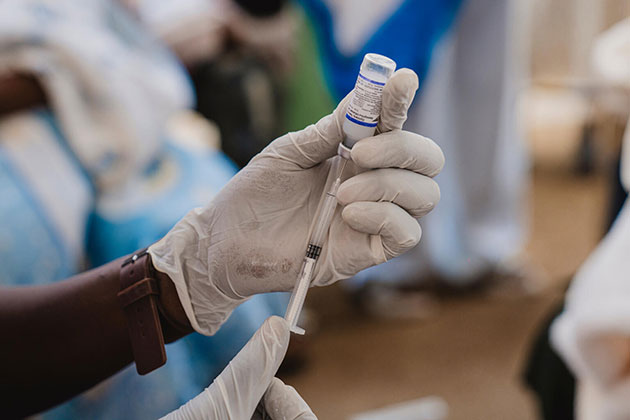
WHO Announces New Ebola Vaccine Guidelines for the DRC
3 weeks ago
56
 English (US) ·
 © Clint's World News 2026. All rights are reserved
