
India, Pakistan, Bangladesh and Nepal are together home to nearly two billion people, about 23 percent of the world’s population. Even before the war on Iran, the region depended heavily on imported energy, much of it from Gulf countries.But the extent and nature of exposure of different South Asian countries to Gulf supplies and the Strait of Hormuz varied significantly.Now, they are all feeling the effects of the prolonged and expanding war, as more and more supply routes become choked.South Asia’s dependence on Gulf energyIndia imports about 85 percent of the crude oil it consumes – it is the world’s third-largest crude importer.Before the war, Gulf producers, including Iraq, Saudi Arabia, the UAE and Kuwait, were among its major suppliers, while Qatar was a leading source of liquefied natural gas (LNG). India has a more diversified supply network than its South Asian neighbours, with crude also arriving from Russia, Africa and the Americas.Pakistan is also highly dependent on imported energy, particularly crude oil, petroleum products and LNG. Saudi Arabia, the UAE and Kuwait have traditionally been important oil suppliers, while Qatar is its main long-term LNG provider.Banglad...
‘My children did not attack Iran’: 2bn South Asians suffer from distant war
 3 weeks ago
42
3 weeks ago
42
Related
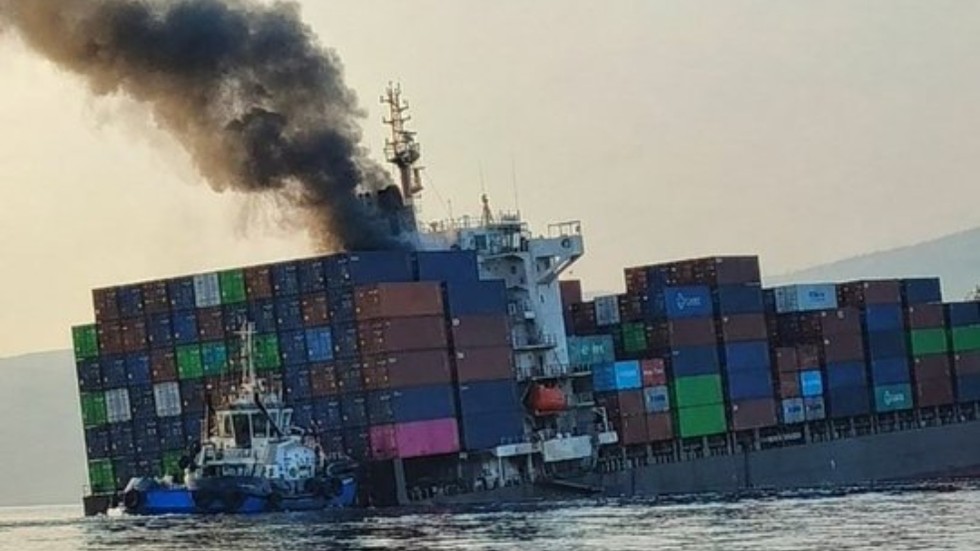
Container ship sinks in Hormuz mine strike amid US-Iran nava...
39 minutes ago
1




Popular



 English (US) ·
 © Clint's World News 2026. All rights are reserved
