
 2 weeks ago
5
2 weeks ago
5
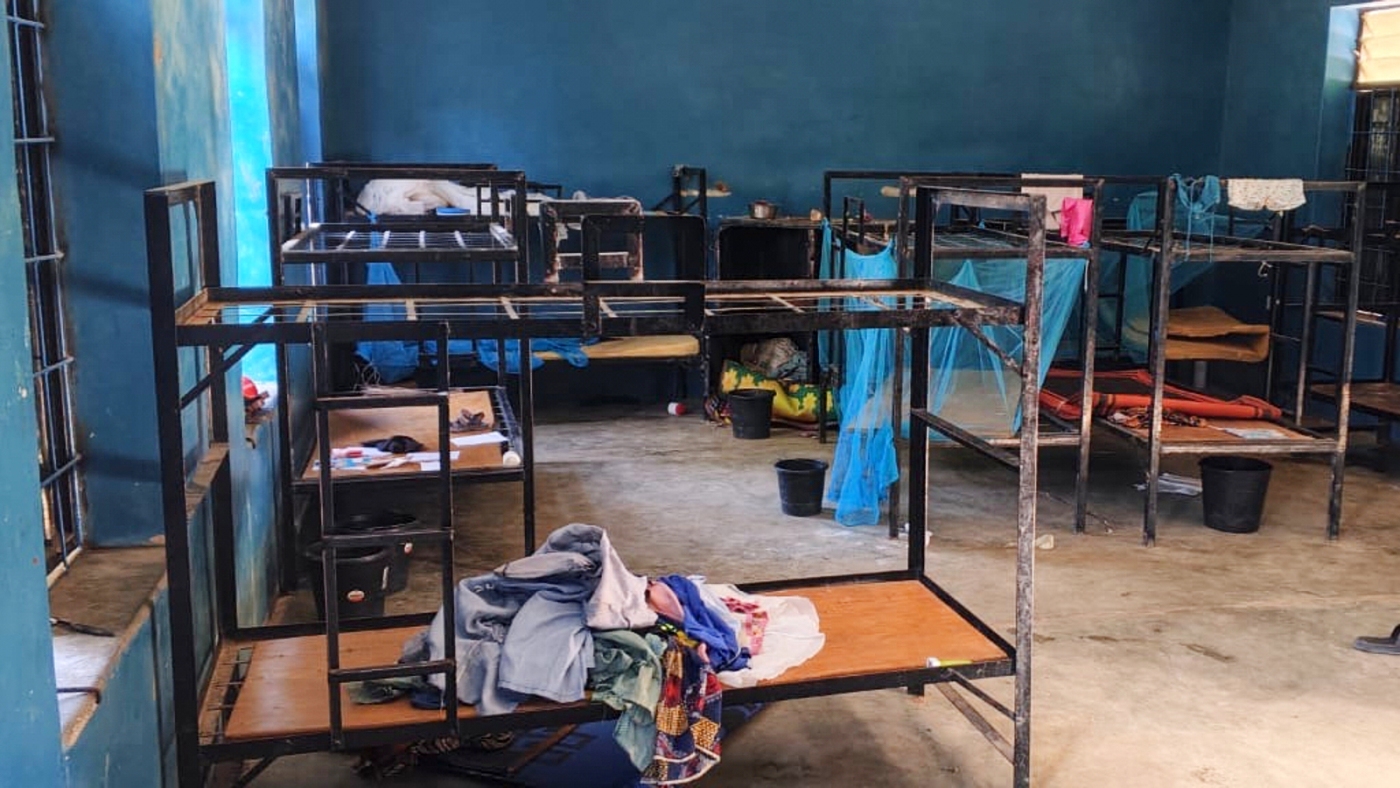
“They live in community shelters, they live in classrooms which are overcrowded,” the UN refugee agency’s (UNHCR) representative in Mozambique said on Tuesday, highlighting the plight of thousands searching for safety.
The agency reports that close to 100,000 have been newly displaced in the past two weeks alone, following intensified attacks on villages and a rapid spillover of violence into previously safe districts.
Speaking from conflict-ridden Erati in northern Mozambique, Xavier Creach expressed concern over the attacks and inability to sufficiently respond.
“These simultaneous attacks in several districts are generating a huge challenge for humanitarian actors who have to multiply emergency response in different zones of the country,” he said.
“Regretfully, we lack resources,” he added.
Homes burned, villages attacked
The violence, which began in 2017 in the country’s northernmost province, Cabo Delgado, has already displaced over 1.3 million people.
It spread this year beyond the province and into Nampula, threatening communities that had previously hosted displaced families, according to the UN refugee agency.
People reaching safety say they escaped in fear as armed groups stormed their villages – often at night – burning homes, attacking civilians, and forcing families to flee without their belongings or documents.
“Civilians were killed, some were even beheaded,” said Mr. Creach. “People had to flee at night in the most chaotic manner.”
The sudden influx of displaced people into Nampula Province is putting pressure on already fragile host communities, who also face insecurity. Schools, churches and open spaces are crowded with newly arrived families.
Running out of resources
It's the fourth massive influx that Northern Mozambique has faced in recent months, Mr. Creach stressed.
“The response is insufficient,” he said. “People need assistance. They need food, they need shelter, they need water, they need support, and they arrive traumatised.”
UNHCR will require $38.2 million in 2026 to meet rising needs across northern Mozambique. This comes at a deeply concerning time, with 2025 funding standing at only 50 per cent of the required amount.
Mr. Creach said that on Tuesday morning, agency staffers witnessed people returning to what are very unsafe areas – not to restart their lives, but due to the lack of response and overcrowded shelters.
“They felt they couldn't stay any longer and they had no option but to return.”
Where next?
Latest news
Read the latest news stories:
- Resumption of Nuclear-Explosive Testing: A Dangerous Path Tuesday, December 02, 2025
- International Volunteer Year (IVY) 2026: An Opportunity to Re-imagine UNV? Tuesday, December 02, 2025
- Rising Arms Revenues and Rising Death Tolls Underscore Ongoing Military Conflicts & Civil Wars Tuesday, December 02, 2025
- From Village Vision to Vital Innovation: How One Student is Revolutionizing Healthcare in Malawi Tuesday, December 02, 2025
- World News in Brief: Global economy ‘on the brink’, ending slavery, Latin America jobs update Tuesday, December 02, 2025
- ‘Decisive action’ needed to end Israel-Palestine stalemate Tuesday, December 02, 2025
- Mozambique: ‘Civilians were killed, some were even beheaded’ Tuesday, December 02, 2025
- Iraq: UN mission ends, with pledge of continued support Tuesday, December 02, 2025
- Millions of jobs at risk in Asia-Pacific as AI adoption surges in wealthy nations Tuesday, December 02, 2025
- Asia: Lives upended by cyclones, ‘extreme’ rainfall on the rise, warn UN agencies Tuesday, December 02, 2025
Link to this page from your site/blog
Add the following HTML code to your page:
<p><a href="https://www.globalissues.org/news/2025/12/02/41794">Mozambique: ‘Civilians were killed, some were even beheaded’</a>, <cite>Inter Press Service</cite>, Tuesday, December 02, 2025 (posted by Global Issues)</p>… to produce this:
Mozambique: ‘Civilians were killed, some were even beheaded’, Inter Press Service, Tuesday, December 02, 2025 (posted by Global Issues)







 English (US) ·