
 1 month ago
43
1 month ago
43
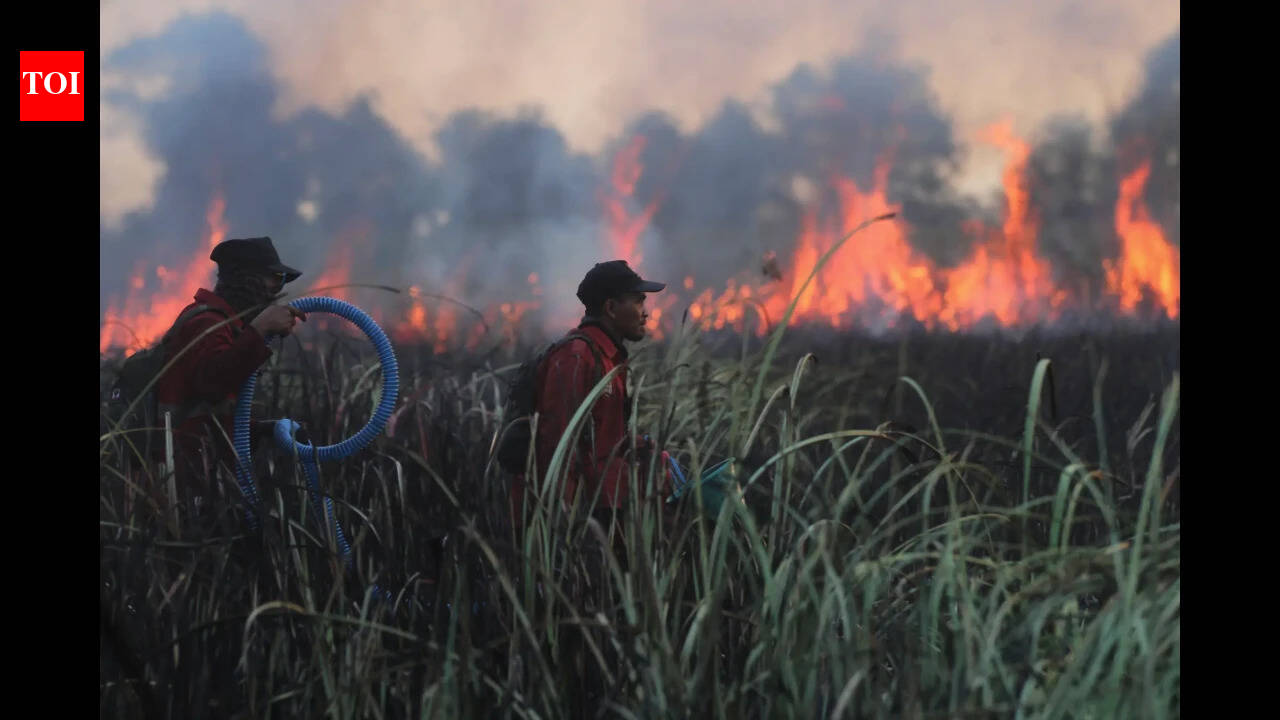
Representative Image of thawing Arctic permafrost releasing ancient carbon into coastal waters (AI-generated image) As Arctic permafrost thaws and coastlines erode, enormous quantities of ancient carbon that has sat frozen in the ground for thousands of years are being carried into the sea. Scientists have long worried that microorganisms in the ocean would break this carbon down and release it as greenhouse gases, adding a dangerous new feedback loop to climate change. A new study led by researchers at the Alfred Wegener Institute and MARUM, the Centre for Marine Environmental Sciences at the University of Bremen, has found a more reassuring picture, at least for now. Examining sediment cores collected off the coast of Qikiqtaruk, also known as Herschel Island, in Canada, the team found that the vast majority of this land-based carbon simply becomes buried in the seafloor, with only around 10 per cent converted into greenhouse gases.How much carbon is actually entering the Arctic OceanAccording to the Alfred Wegener Institute, Arctic permafrost ecosystems hold roughly 1,300 gigatonnes of organic carbon on land, much of it made up of ancient plant remains, with a further 400 gigato...
Related

How is Democracy Doing?
21 minutes ago
0

Former Kosovo president sentenced to 25 years for war crimes...
27 minutes ago
1

Former Muslim rebels lead results in first election held in ...
34 minutes ago
0

Belarus frees 25 prisoners in exchange for the US lifting so...
40 minutes ago
1

Popular

El Niño rains in Peru disrupt access to Machu Picchu
3 weeks ago
245


 English (US) ·
 © Clint's World News 2026. All rights are reserved
