
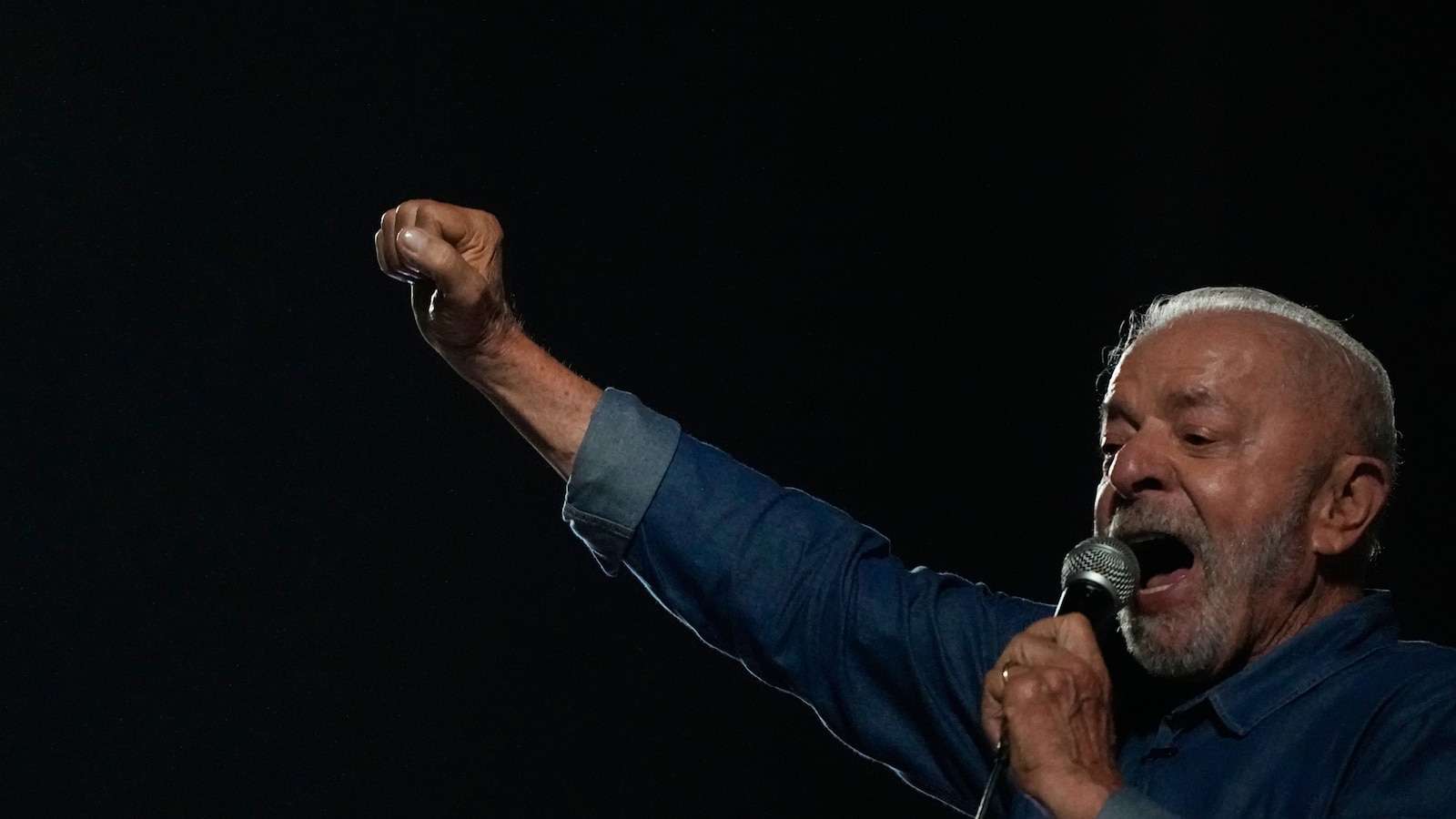
“Even if you're not a Lula supporter, what was at stake was democracy versus the far right.” In Rio de Janeiro's beachfront Botafogo neighbourhood, Katia celebrated Luiz Inacio Lula da Silva's re-election on Sunday, as supporters took to the streets. “I couldn't just sit on the sidelines,” she told FRANCE 24. At nearly 81, Luiz Inacio Lula da Silva defied expectations by defeating far-right challenger Flavio Bolsonaro with 51.7 percent of the vote against 48.2 percent. Read moreBrazil's Lula beats odds and seals re-election, rival Bolsonaro demands annulment After trailing in the first round, Lula's campaign stepped up its efforts to reach young and undecided voters. “The sense of urgency created by coming second in the first round triggered this fairly massive mobilisation in the second round, particularly on social media,” said Bruno Ronchi, a doctoral researcher in political science at the University of Rennes who specialises in far-right movements, particularly in Brazil. The result does not, however, signal the end of Bolsonarism, the political movement built around former president Jair Bolsonaro and his ideas. “Bolsonarism remains a major political force among conservative v...
Related
Lula secures victory in Brazil's election, but faces challen...
45 minutes ago
2

Swiss Ebola patient in Nigeria evacuated to Switzerland
46 minutes ago
3

Ghana-born MAGA blogger Samuel Sey who backed ICE faces depo...
54 minutes ago
2

TIME Is Looking For the World’s Top GreenTech Companies of 2...
57 minutes ago
7

US wants Orban to be next UN chief – WSJ
1 hour ago
5
Popular

Two Houthi missiles target Yemen’s Aden International Airpor...
2 weeks ago
543

JPMorgan makes bullish call in fixed income space, suggests ...
2 weeks ago
429

Oil prices rise as Chinese refiners reportedly ban October f...
3 weeks ago
416

ICC ignored ‘very well-documented’ NATO crimes – ex-Libyan m...
2 weeks ago
382

Intel, Broadcom CEOs warn capital crunch could become AI's b...
2 weeks ago
368
 English (US) ·
© Clint's World News 2026. All rights are reserved
