
The soil was used to lift the ground and form wetlands designed to provide feeding, nesting and refuelling areas for birds London sent more than three million tonnes of soil excavated during construction of the Elizabeth line to an Essex island, where it was used to raise the ground and create new coastal wetlands. Ten years after seawall sections were removed to allow the sea back onto Wallasea Island, the RSPB reserve has recorded nearly 40,000 birds wintering there, including thousands of Knot, Avocets, Grey Plovers and Bar-tailed Godwits.The site, known as Jubilee Marsh, is part of the RSPB’s Wallasea Island nature reserve in Essex. According to the Society, the land had been separated from the sea for hundreds of years before the RSPB began work to restore the island as a nature haven. The project later became linked to the construction of London’s Elizabeth line through a collaboration with Transport for London (TfL) as part of the Crossrail project.Instead of treating the soil removed during the railway’s construction as waste, more than three million tonnes of excavated material were transported from London to Wallasea Island. The soil was used to lift the ground and form w...
London sent 3 million tonnes of railway soil to rebuild Essex wetlands; bird numbers hit 39,000
 2 hours ago
4
2 hours ago
4
Related


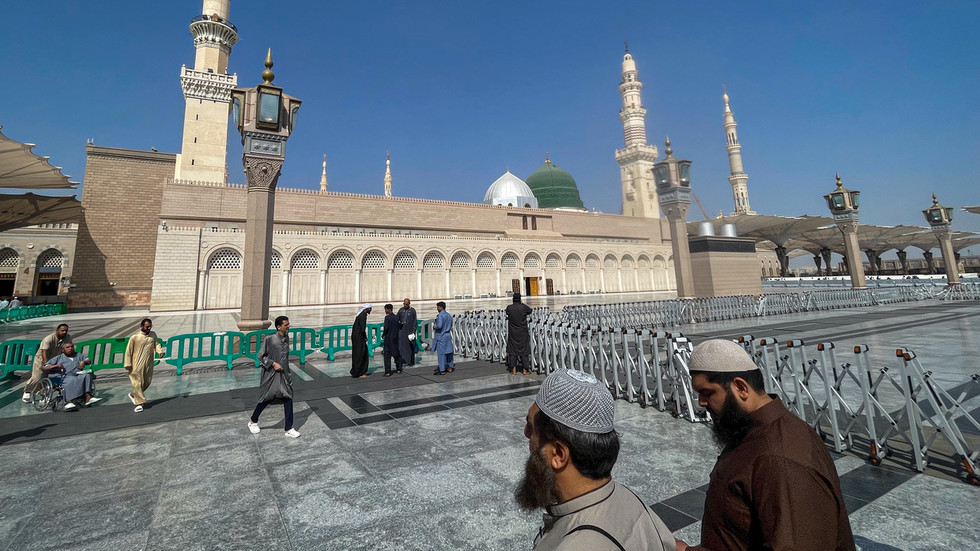
Houthis condemn Saudi claims of attack on Medina
3 hours ago
9
Popular



WHO Announces New Ebola Vaccine Guidelines for the DRC
4 weeks ago
67


 English (US) ·
 © Clint's World News 2026. All rights are reserved
